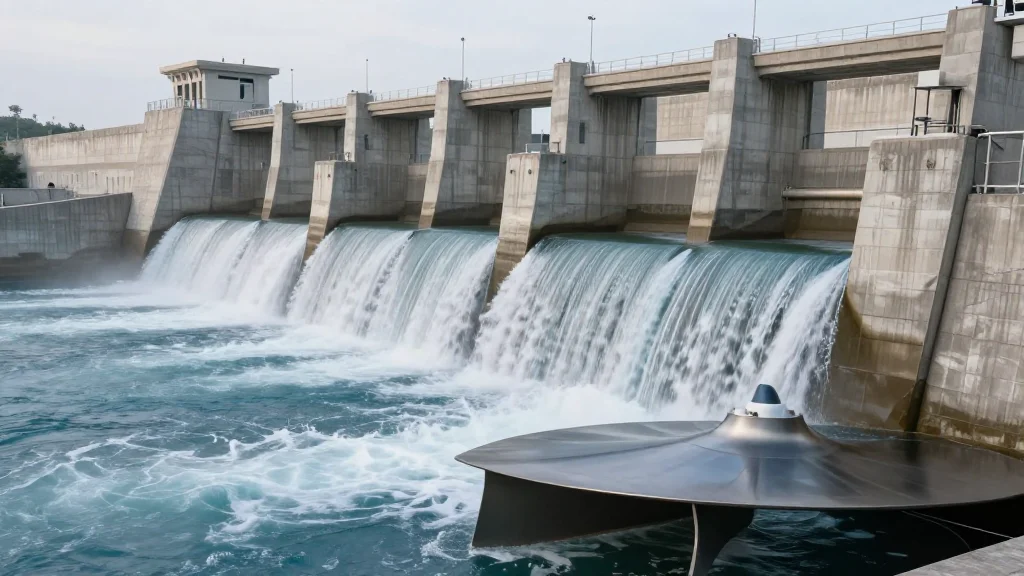
Hydropower Is in Hot Water. Will Trump’s DOE Release Funding to Help?
Companies Mentioned
Why It Matters
Unlocking the $430 million package could prevent premature dam closures, preserve clean‑energy generation, and bolster grid reliability as the nation seeks low‑carbon power sources.
Key Takeaways
- •DOE resumes $430M hydropower funding negotiations
- •Potential $2.8B upgrades combine federal and private capital
- •Hundreds of aging dams face costly relicensing
- •Drought and climate risk reduce hydro capacity
- •Funding targets safety, grid resilience, and fish passages
Pulse Analysis
Hydropower has long been a cornerstone of America’s energy landscape, delivering roughly 6% of national electricity while providing firm, dispatchable power that complements intermittent renewables. Yet the sector now confronts a perfect storm: most dams were built in the mid‑20th century, lack modern fish‑passage infrastructure, and must undergo a rigorous relicensing process that can cost millions per facility. Compounding these challenges, prolonged droughts in the West have already trimmed output, and climate models predict further water scarcity, threatening the reliability of an already aging fleet.
The Department of Energy’s decision to restart negotiations on the $430 million earmarked under the bipartisan infrastructure law marks a pivotal policy shift. By channeling the money into grid‑resilience upgrades, safety improvements, and environmental retrofits at 212 sites, the DOE aims to catalyze a broader investment wave that could exceed $2.8 billion when private capital is added. These funds are expected to finance critical upgrades such as modern turbine controls, advanced monitoring systems, and fish ladders, thereby meeting contemporary licensing standards and extending the operational life of key facilities.
If successfully deployed, the funding could reshape the U.S. clean‑energy mix. Preserving and modernizing hydro assets would provide a steady, low‑carbon baseload that supports the rapid expansion of wind and solar, reducing reliance on fossil‑fuel peakers during peak demand or extreme weather events. Moreover, the initiative signals a renewed federal commitment to legacy renewable technologies, encouraging further public‑private partnerships and potentially influencing future legislation aimed at bolstering the nation’s energy security in a climate‑constrained future.
Hydropower is in hot water. Will Trump’s DOE release funding to help?
Comments
Want to join the conversation?
Loading comments...