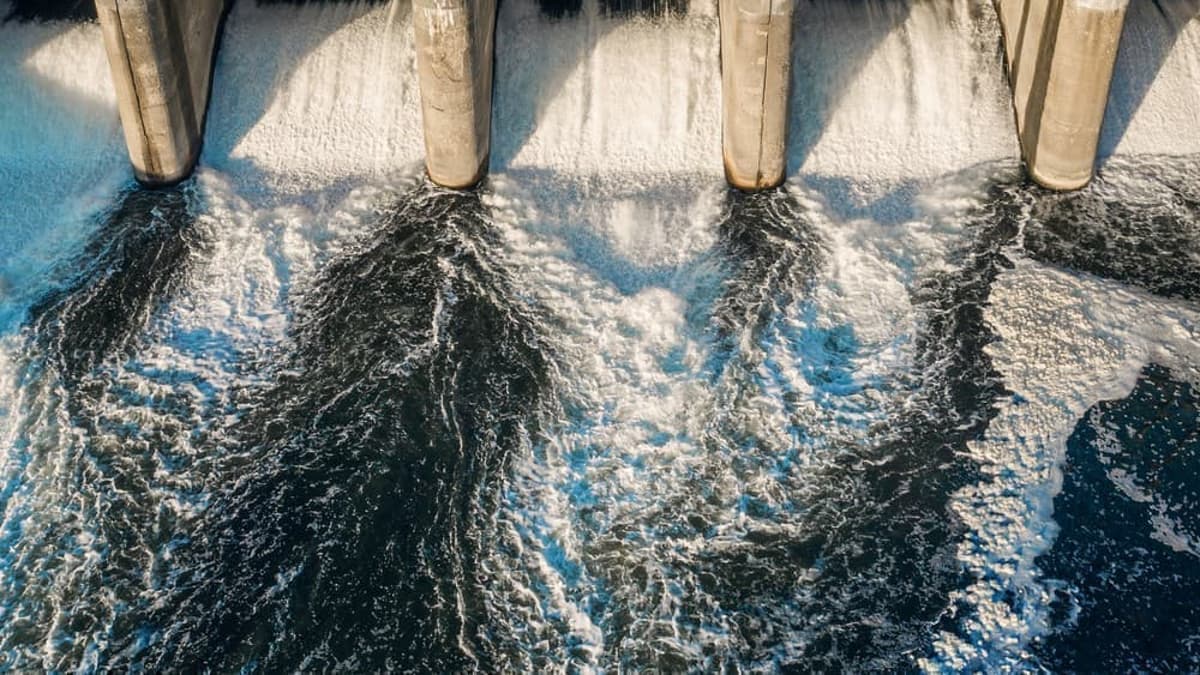
Hydropower Is Making a Global Comeback
Why It Matters
Hydropower delivers low‑cost, flexible generation and massive storage capacity, essential for integrating intermittent renewables and strengthening energy security amid volatile fossil‑fuel markets.
Key Takeaways
- •Hydropower supplies 14% of global electricity, matching solar and wind combined
- •60% of hydro potential in developing economies remains untapped
- •Pumped‑storage hydro holds 30× more capacity than battery storage
- •Existing PSH capacity is ~200 GW; 570 GW planned worldwide
- •New submersible turbines target 60‑90 MW in the Great Lakes region
Pulse Analysis
Hydropower has quietly retained its position as the world’s third‑largest source of electricity, delivering roughly 4,500 terawatt‑hours—or 14 percent—of global power each year. While solar and wind have captured headlines, water‑driven generation offers a unique combination of baseload reliability and rapid output modulation, qualities that become increasingly valuable as fossil‑fuel prices swing amid geopolitical tensions. Policymakers are therefore revisiting hydro not merely as a legacy technology but as a strategic lever to diversify energy mixes and safeguard supply chains against oil and gas disruptions.
The flexibility of hydropower extends beyond conventional turbines to pumped‑storage facilities, which function as the world’s largest long‑duration batteries. Current pumped‑storage capacity stands at about 200 gigawatts, capable of storing thirty times more energy than lithium‑ion solutions, and a further 570 GW is slated for construction over the next decade. New turbine designs—such as carbon‑fibre submersible units being deployed in the Great Lakes and on the St. Lawrence River—demonstrate how retrofitting existing waterways can unlock additional megawatts without the need for large reservoirs.
Despite these advances, roughly 60 percent of hydro potential in emerging economies remains undeveloped, representing a sizable growth frontier for investors and governments alike. Upgrading aging dams and expanding pumped‑storage can accelerate industrialisation, improve grid resilience, and create jobs in regions that rely heavily on imported fuels. As the International Energy Agency highlights the sector’s untapped capacity, forward‑looking energy strategies are likely to allocate more capital to hydro projects, positioning water power as a cornerstone of the clean‑energy transition and a hedge against future commodity volatility.
Hydropower Is Making a Global Comeback
Comments
Want to join the conversation?
Loading comments...