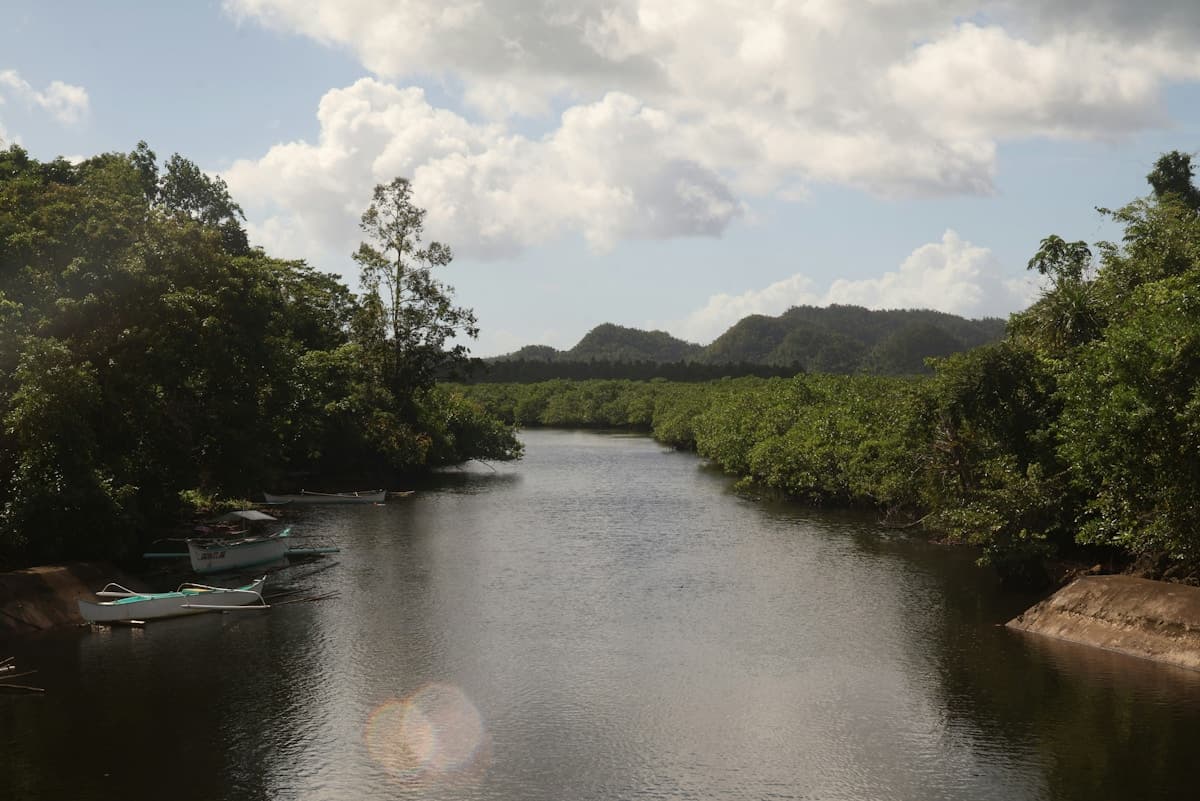
ICVCM Approves Another Carbon Credit Standard, Mangrove Restoration Rules as High Integrity
Why It Matters
High‑integrity labeling reassures buyers that credits represent real, additional emissions reductions, driving demand for rigorously vetted projects and shaping the market’s future supply‑side dynamics.
Key Takeaways
- •Global Carbon Council Standard receives ICVCM high‑integrity approval
- •Mangrove Restoration Protocol can issue up to 2 million credits by 2030
- •ICVCM conditionally approves VCS renewable‑energy and methane‑capture methodologies
- •ART TREES forest methods denied; must improve baseline emissions evidence
- •Estimated 107 million CCP‑labeled credits exist, 63 million market‑available
Pulse Analysis
The Integrity Council for the Voluntary Carbon Market (ICVCM) has become the de‑facto gatekeeper for quality in the voluntary carbon market, applying its Core Carbon Principles (CCP) to weed out greenwashing and over‑crediting. By endorsing the Global Carbon Council (GCC) Standard and the new Mangrove Restoration Protocol, ICVCM signals that projects meeting stringent additionality and baseline tests can earn the coveted high‑integrity label. This move not only validates the scientific rigor of mangrove restoration—a nature‑based solution with co‑benefits for biodiversity and coastal protection—but also provides a clear pathway for issuers to monetize credible carbon removals.
The council’s conditional approvals for two Verra methodologies mark a pivotal shift for renewable‑energy and methane‑capture projects. The renewable‑energy protocol now incorporates a benchmark analysis that proves carbon‑credit revenues materially improve project economics, while the methane‑capture method must meet updated additionality thresholds. These refinements aim to ensure that each credit reflects a genuine net‑zero contribution, addressing investor concerns about the reliability of offset portfolios. By tightening criteria, ICVCM expects a short‑term contraction in issuance volumes but anticipates a premium market for high‑quality credits.
For the broader market, the decisions underscore a growing bifurcation between high‑integrity and legacy credits. With roughly 107 million CCP‑labeled credits already approved—about 63 million of which remain tradable—buyers are increasingly treating the CCP label as a minimum requirement. Forest‑related standards that fail to meet baseline emission evidence, such as ART TREES, face remedial actions, highlighting the council’s resolve to enforce methodological rigor across ecosystems. As corporate net‑zero pledges intensify, the demand for verifiable, science‑backed offsets will likely drive further consolidation around ICVCM‑approved standards, reshaping the voluntary carbon market’s supply chain for years to come.
ICVCM approves another carbon credit standard, mangrove restoration rules as high integrity
Comments
Want to join the conversation?
Loading comments...