IEA Says World Has Entered The “Age Of Electricity”
Why It Matters
Solar’s dominance reshapes the global energy mix, accelerating the transition away from coal and reducing geopolitical exposure to fossil‑fuel markets. The rapid rise of battery storage underpins grid reliability, making large‑scale electrification economically viable.
Key Takeaways
- •Solar PV drove >25% of global energy demand growth in 2025
- •Battery storage added 110 GW, outpacing natural‑gas capacity growth
- •Coal‑fired generation fell as solar and storage expanded
- •Renewables and nuclear supplied nearly 60% of total energy growth
- •Energy security concerns push nations toward domestic clean power
Pulse Analysis
Solar’s surge in 2025 marks a watershed moment for the power sector. Falling module costs, streamlined permitting, and massive utility‑scale projects enabled PV to deliver an extra 600 terawatt‑hours—enough to power tens of millions of homes. This growth not only eclipsed traditional fossil contributors but also forced coal‑fired plants into early retirement, accelerating the decarbonisation trajectory that policymakers have chased for years. Analysts now view solar as the primary engine of demand‑side electrification, from residential rooftops to industrial processes.
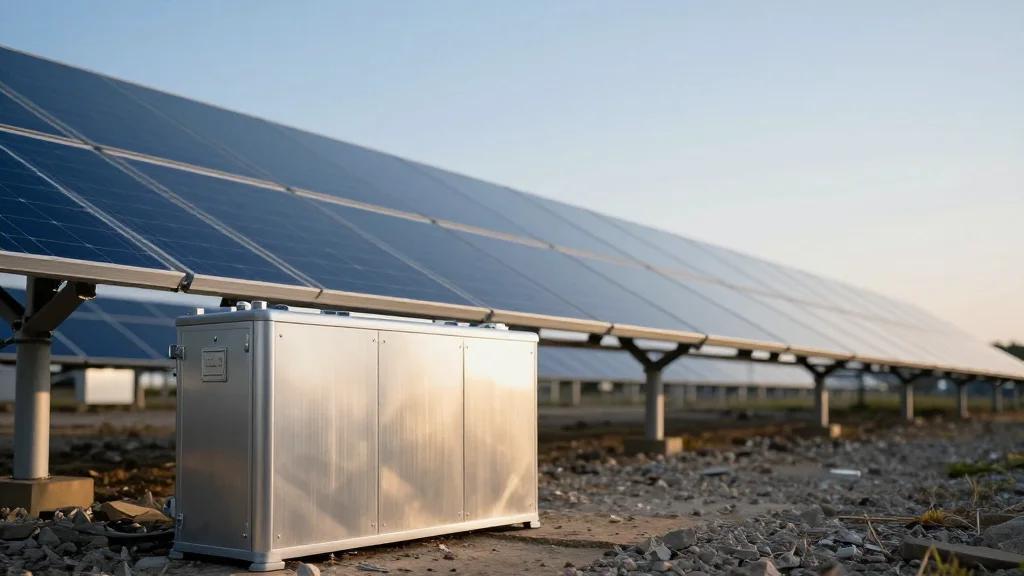
Equally transformative is the unprecedented expansion of battery energy‑storage systems. The 110 GW of new capacity installed in 2025 dwarfs the annual additions of natural‑gas infrastructure, providing the flexibility needed to absorb intermittent solar output. Storage mitigates curtailment, stabilises frequency, and reduces reliance on peaker plants, delivering cost savings that ripple through wholesale markets. As battery prices continue to slide, utilities are increasingly pairing solar farms with on‑site storage, creating hybrid assets that can compete with conventional baseload generation on both price and reliability.
The geopolitical backdrop amplifies the strategic value of this clean‑energy shift. Disruptions in oil and gas supplies—exemplified by the Ukraine conflict and Middle‑East tensions—have exposed the fragility of fossil‑fuel‑dependent economies. By anchoring growth in domestically sourced solar and storage, both emerging and mature markets can hedge against supply shocks while meeting rising electricity demand from electric vehicles, heat pumps, and digital infrastructure. Policymakers are therefore incentivising domestic renewable projects, recognizing that energy security and climate goals are increasingly intertwined.
IEA Says World Has Entered The “Age Of Electricity”
Comments
Want to join the conversation?
Loading comments...