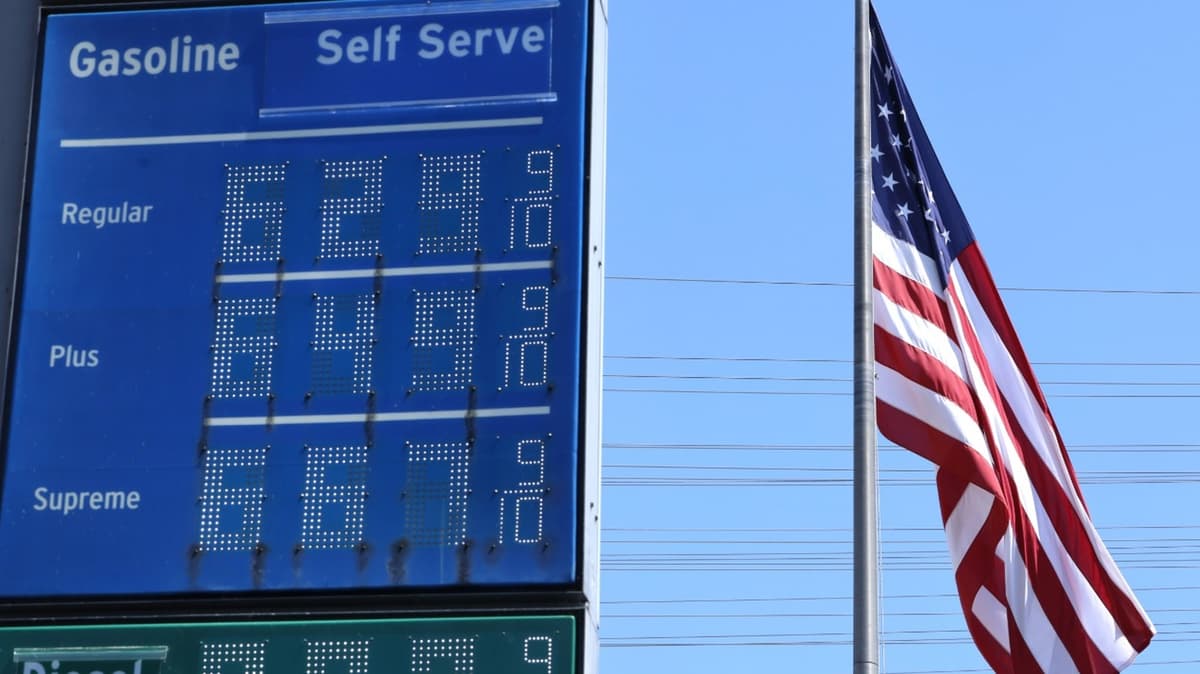
If We Net Export Oil, Why Are Gas Prices Going Up?

Why It Matters
Higher gasoline costs erode household disposable income and pressure inflation, prompting policymakers to reconsider energy‑security strategies and refinery investment plans.
Key Takeaways
- •40% of U.S. refinery feedstock is imported crude
- •U.S. refineries favor heavy crude, limiting light domestic oil use
- •Geopolitical crises trigger rapid gasoline price spikes, slow declines
- •Transport costs make foreign oil cheaper in some U.S. regions
- •Trader bids during tension drive oil price spikes
Pulse Analysis
The headline of U.S. "energy independence" masks a nuanced reality: while the country now ships more barrels abroad than it brings in, the domestic refining system still relies heavily on imported crude. About 40% of the oil processed in U.S. refineries originates overseas, largely because many plants were built during the 1970s to handle heavy, sour grades that dominate foreign production. Retrofitting these complexes to efficiently process the lighter, sweeter crude found in places like the Permian Basin would require billions of dollars, a hurdle that keeps the import pipeline open and influences pump prices.
Oil is a globally traded commodity, and its price is set in markets that react instantly to geopolitical events. The ongoing war in the Middle East, for example, has spurred traders to bid up futures contracts, anticipating supply disruptions. Those higher futures prices cascade through the supply chain, raising the cost of refined gasoline across the United States. Even regions distant from the conflict feel the impact because oil moves through chokepoints such as the Strait of Hormuz, where a 20% share of world shipments passes, amplifying price volatility.
Consumer behavior adds another layer. When headlines warn of imminent price hikes, drivers often fill up early, creating a demand surge that pushes prices up before the higher wholesale cost even reaches stations—a phenomenon economists label "rockets and feathers." Once prices peak, they tend to fall slowly as shoppers become less price‑sensitive and stations are reluctant to cut margins. This lag underscores why policymakers focus on strategic refinery investments and diversified supply sources to blunt future spikes and stabilize the market for American motorists.
If We Net Export Oil, Why Are Gas Prices Going Up?
Comments
Want to join the conversation?
Loading comments...