IMF, World Bank, Others Warn Middle East War Is Straining Global Energy Supplies
Why It Matters
Energy supply shocks from the Middle East conflict could destabilize global markets and exacerbate economic hardship in vulnerable nations, making swift diplomatic and policy responses critical.
Key Takeaways
- •IEA, IMF, World Bank warn war strains global energy supplies.
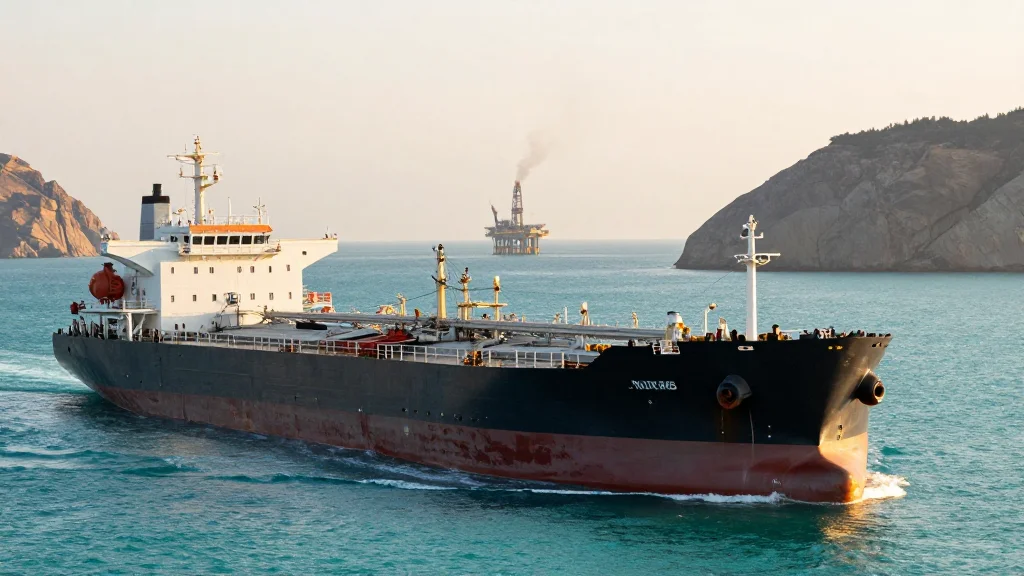
- •Conflict threatens oil flow through Strait of Hormuz, raising prices.
- •Poorer economies face higher fuel and fertilizer costs.
- •Potential cease‑fire deal hinges on reopening shipping lanes.
- •Depleting oil inventories risk fuel security ahead of summer demand.
Pulse Analysis
The renewed hostilities between Israel and Iran have sent shockwaves through the world’s energy infrastructure. The Strait of Hormuz, through which roughly a fifth of global oil passes, has become a chokepoint as naval assets are redeployed and commercial vessels face heightened insurance premiums. Analysts note that even brief disruptions can shave millions of barrels off daily supply, tightening inventories that were already low after a year of modest demand growth. With summer driving peak consumption in the Northern Hemisphere, any delay in restoring normal shipping flows could push crude prices sharply higher.
International bodies—including the International Energy Agency, the International Monetary Fund, the World Bank, and the World Trade Organization—issued a joint warning that the conflict disproportionately harms low‑income nations. Higher fuel costs translate into steeper fertilizer prices, eroding agricultural margins and feeding inflationary pressures in economies already grappling with debt burdens. The institutions stress that while the global economy remains resilient, the ripple effects on trade balances, employment, and social stability could be severe if energy markets remain volatile. Their coordinated statement underscores the need for targeted financial assistance and supply‑chain diversification for the most vulnerable countries.
U.S. President Donald Trump’s pending decision on a cease‑fire extension with Iran could be a decisive lever for energy security. A deal that guarantees the reopening of the Hormuz corridor and curtails Iran’s nuclear capabilities would likely restore confidence among shippers and insurers, easing the premium on oil freight. Market participants are watching for any diplomatic breakthrough that could replenish dwindling strategic reserves before the summer demand peak. In the meantime, policymakers are urged to bolster strategic petroleum reserves and explore alternative routing to mitigate the risk of a prolonged supply squeeze.
IMF, World Bank, others warn Middle East war is straining global energy supplies
Comments
Want to join the conversation?
Loading comments...