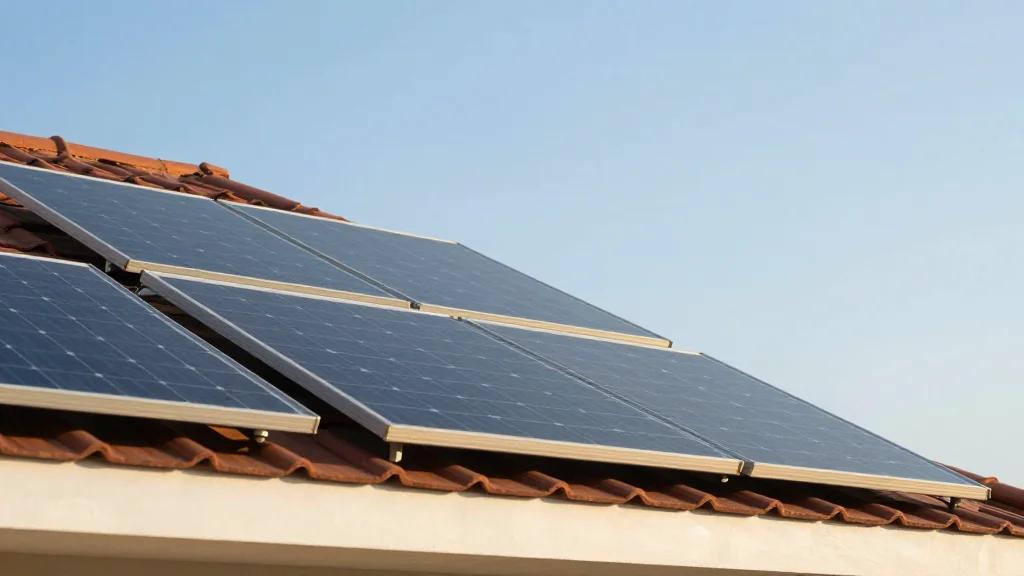
India Adds 2.7 GW Rooftop Solar Capacity in Q1 2026, Residential Segment Drives 82% Growth: Report
Why It Matters
The surge underscores India’s accelerating shift toward distributed clean energy, positioning rooftop solar as a key pillar of the nation’s net‑zero roadmap and creating new opportunities for financiers, EPCs, and grid operators.
Key Takeaways
- •Residential rooftop solar drove 82% of Q1 2026 additions
- •Capex model accounted for 81% of new installations
- •Maharashtra, Uttar Pradesh, Gujarat together supplied 48% of capacity
- •Tender issuance fell 38% QoQ but rose 32% YoY
- •System costs stable; Chinese modules saw price uptick
Pulse Analysis
India’s rooftop solar market entered a rapid expansion phase in the first quarter of 2026, adding 2.7 GW of capacity—enough to power roughly 600,000 homes. The growth was anchored by the PM Surya Ghar programme, which offers subsidies and streamlined approvals for residential adopters. By capturing 82% of total rooftop installations, the residential segment is reshaping the country’s energy mix, pushing rooftop assets to represent 18% of all solar additions. This momentum not only accelerates India’s climate commitments but also creates a sizable addressable market for solar panel manufacturers, financing firms, and smart‑grid technology providers.
Financing dynamics are pivotal to sustaining the pace. An overwhelming 81% of the new capacity was deployed under a capital‑expenditure (capex) model, reflecting strong developer confidence and access to upfront capital. The remaining 19% came from operational‑expenditure (RESCO) arrangements, which spread costs over the asset’s life and lower entry barriers for smaller players. However, industry leaders caution that future growth will hinge on efficient execution, broader financing channels, and tighter coordination with distribution companies (DISCOMs) to ensure grid readiness. Addressing these bottlenecks could unlock additional gigawatts, especially in the commercial and industrial segments that currently lag behind residential uptake.
State‑level performance highlights uneven but promising adoption patterns. Maharashtra, Uttar Pradesh and Gujarat together contributed 48% of Q1 additions, while Assam posted the highest compounded quarterly growth at 40%. Tender activity showed a mixed picture: total tender volume dropped 38% QoQ, yet the year‑on‑year increase of 32% signals sustained policy support. System costs remained largely flat across most module technologies, though Chinese‑origin modules experienced a modest price rise, hinting at potential supply‑chain shifts. For investors, the data suggest a maturing market with clear policy backing, yet one that demands vigilant monitoring of financing structures, grid integration, and regional policy nuances to capture the full upside.
India adds 2.7 GW rooftop solar capacity in Q1 2026, residential segment drives 82% growth: Report
Comments
Want to join the conversation?
Loading comments...