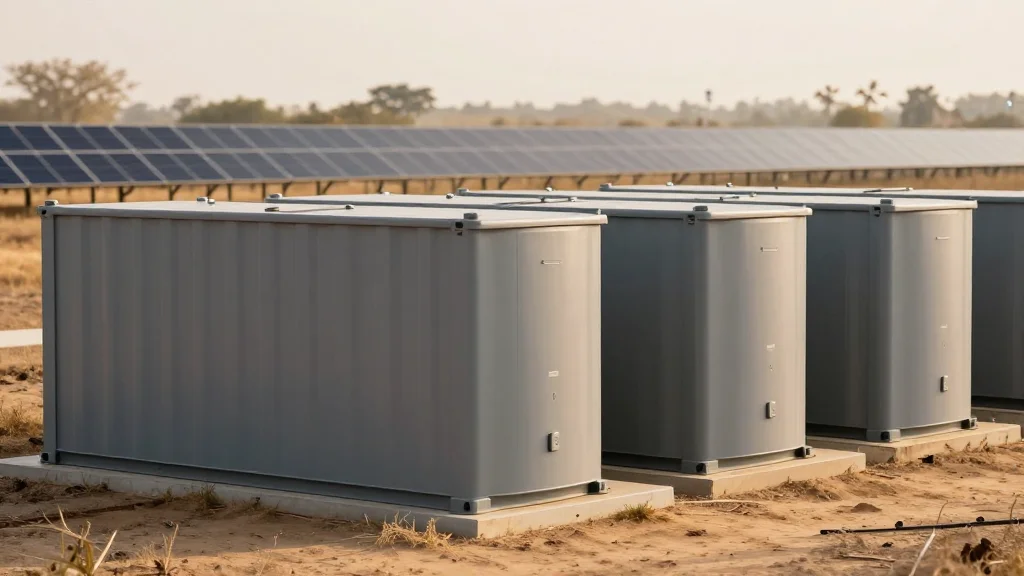
India Adds 4.6 GWh of Energy Storage Capacity in First Quarter of 2026: Report
Why It Matters
The rapid scale‑up positions storage as a core grid asset, accelerating India’s renewable integration and creating new investment opportunities. It signals a decisive shift toward flexible, low‑carbon power infrastructure.
Key Takeaways
- •India added 4.6 GWh storage in Q1 2026, 941% jump
- •Standalone storage makes up 73% of India's cumulative capacity
- •Rajasthan leads with 42% of installed storage capacity
- •Pipeline shows 69 GWh projects, 41 GWh standalone
- •Tender activity rose 47% to 18 GW, auctions fell 61%
Pulse Analysis
India’s battery energy storage market entered a breakout phase in early 2026, posting a 4.6 GWh addition in the first quarter – a near‑tenfold surge from the previous three‑month period. This acceleration pushed total installed capacity to 5.9 GWh, underscoring the country’s commitment to bolstering grid flexibility as renewable generation climbs. Analysts view the 941% quarterly jump as a clear indicator that storage is moving from niche projects to a mainstream component of India’s power architecture.
The composition of the storage portfolio reveals a strong preference for standalone battery systems, which now represent 73% of the nation’s installed base. Solar‑plus‑wind with storage and solar‑plus‑battery configurations together account for roughly a quarter of capacity, highlighting the industry’s experimentation with hybrid solutions that can deliver round‑the‑clock power. State‑level data shows Rajasthan holding 42% of installed storage, followed by Gujarat at 25% and Maharashtra at 9%, reflecting regional policy incentives and renewable resource availability. Meanwhile, the pipeline boasts 69 GWh of projects, with 41 GWh slated for standalone deployment, indicating sustained momentum beyond the current quarter.
For investors and policymakers, the surge translates into a fertile landscape for capital deployment and regulatory support. Tender issuance climbed 47% to 18 GW, signaling robust government backing, even as auction volumes contracted by 61%, suggesting a strategic shift toward direct procurement. The expanding pipeline, combined with a growing emphasis on grid‑scale storage, is likely to attract both domestic and foreign financing, while also prompting utilities to re‑evaluate dispatch strategies. As India pursues its ambitious renewable targets, the continued scaling of battery storage will be pivotal in ensuring reliability, curbing curtailment, and delivering cost‑effective clean energy to the nation’s rapidly growing demand base.
India adds 4.6 GWh of energy storage capacity in first quarter of 2026: Report
Comments
Want to join the conversation?
Loading comments...