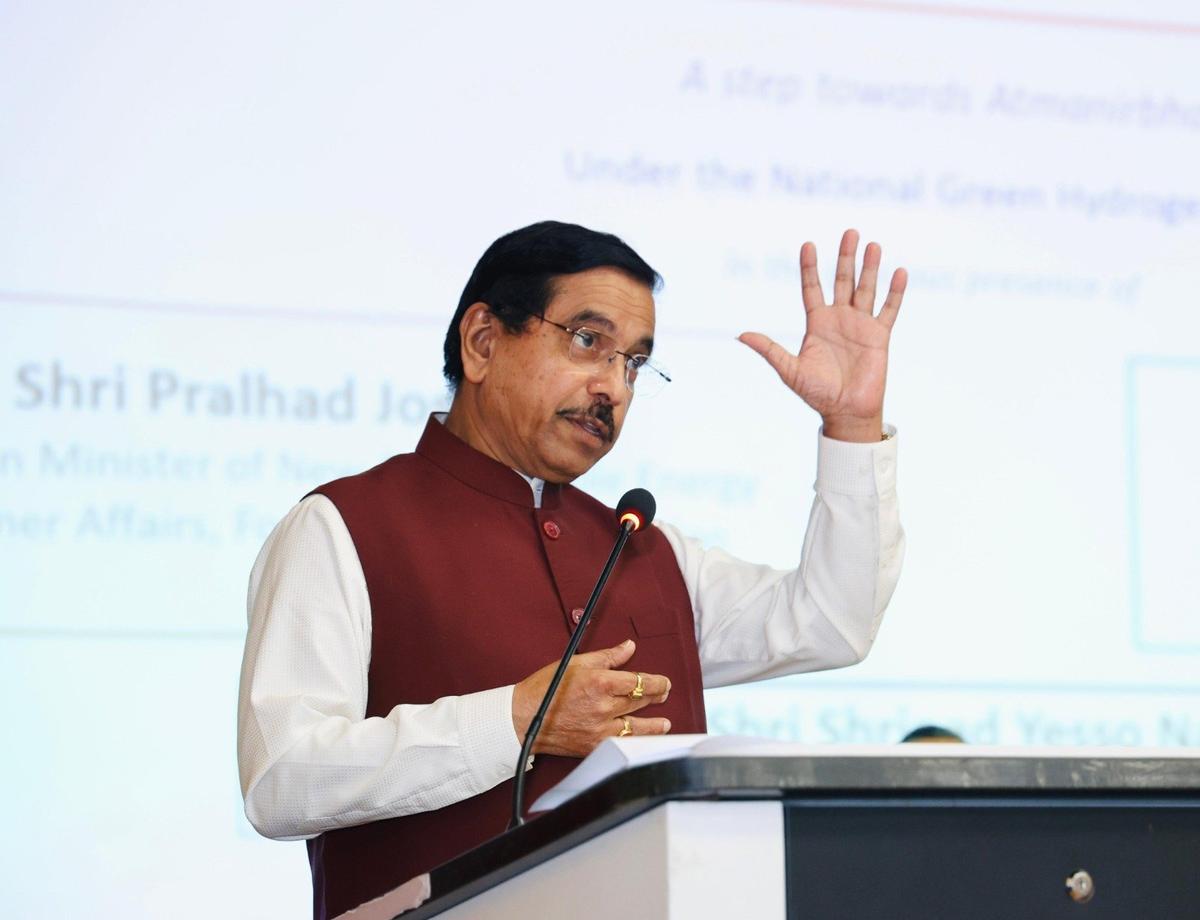
India Climbs to Third Globally in Renewable Energy Capacity, Adding Record 55 GW in FY2025-26
Why It Matters
The surge accelerates India’s clean‑energy transition, cementing its status as a global renewable leader and unlocking massive opportunities for manufacturers, investors, and climate‑focused policies.
Key Takeaways
- •India added 55.29 GW renewable capacity, a record high.
- •Solar growth hit 44.61 GW, 80% of new capacity.
- •Non‑fossil share reached 50% of total power, five years early.
- •Domestic solar module capacity rose to 172 GW since 2014.
- •India now ranks third globally, overtaking Brazil.
Pulse Analysis
India’s renewable‑energy portfolio exploded in FY 2025‑26, with a historic 55.29 GW of new non‑fossil capacity added – more than double the previous record of 29.5 GW. The surge lifted total installed non‑fossil capacity to 283.46 GW, placing the country in third place worldwide, ahead of Brazil. Solar accounted for 44.61 GW, while wind contributed 6.05 GW, and distributed solar alone supplied over a third of the solar build‑out. This rapid scaling pushes India toward its 500 GW clean‑energy ambition for 2030.
The engine of growth was solar, which expanded from a modest 2.82 GW in 2014 to 150.26 GW today – a 53‑fold increase. Distributed renewable energy (DRE) played a pivotal role, delivering 16.3 GW, split between the farmer‑focused PM KUSUM scheme (7.6 GW) and rooftop installations (8.7 GW). Parallel advances in domestic manufacturing amplified the momentum: solar‑module capacity rose from 2.3 GW to 172 GW, and wind‑turbine capacity grew from 10 GW to 24 GW. These supply‑side gains lower import dependence and improve project economics.
Achieving 50 % of cumulative electricity from non‑fossil sources five years ahead of the 2030 NDC deadline signals a decisive shift in India’s energy mix, with far‑reaching implications for investors, utilities, and policymakers. The expanded clean‑energy base reduces coal‑related emissions, enhances grid resilience, and creates a fertile market for financing, storage, and smart‑grid solutions. International capital is likely to flow toward Indian solar and wind projects, while the burgeoning manufacturing ecosystem positions the country as an export hub for renewable equipment. Continued policy support will be essential to sustain the pace and meet the 500 GW target.
India Climbs to Third Globally in Renewable Energy Capacity, Adding Record 55 GW in FY2025-26
Comments
Want to join the conversation?
Loading comments...