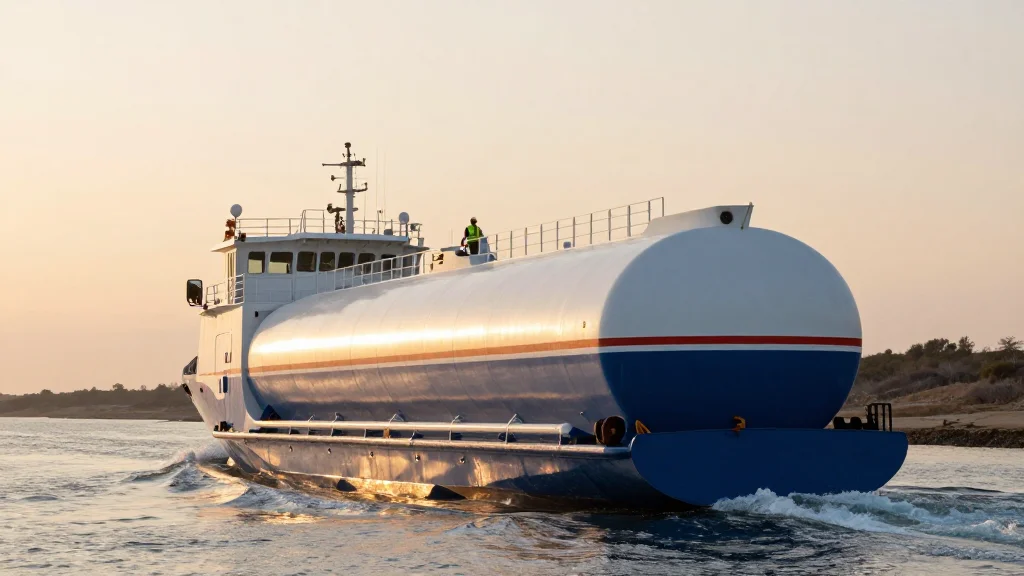
India-Flagged LPG Tanker Jag Vikram Crosses Strait of Hormuz After US-Iran Ceasefire
Why It Matters
The passage demonstrates that the US‑Iran ceasefire is beginning to restore critical shipping lanes, reducing supply‑chain risk for LPG and other energy commodities. It also highlights India’s growing reliance on its domestic fleet to navigate volatile geopolitical waters.
Key Takeaways
- •Jag Vikram carried ~20,000 tonnes of LPG across Hormuz
- •First India‑flagged tanker to transit Hormuz since US‑Iran ceasefire
- •Great Eastern Shipping owns the mid‑size gas carrier, DWT over 26,000 t
- •Nine Indian vessels have left West Asia; 15 still await exit
- •Remaining fleet includes LPG, crude, LNG, chemicals, containers, bulk carriers
Pulse Analysis
The Strait of Hormuz, a narrow chokepoint through which roughly 20% of global oil passes, has been a flashpoint since the escalation of hostilities between the United States and Iran. The recent two‑week ceasefire, brokered by diplomatic channels, has allowed limited but strategic vessel movements, offering a glimpse of how quickly maritime traffic can rebound when political tensions ease. Shipping analysts view Jag Vikram’s successful transit as a barometer for broader de‑escalation, suggesting that other carriers may soon follow, restoring a more predictable flow of energy commodities through the Gulf.
For India’s maritime sector, the event is particularly significant. Great Eastern Shipping, one of the nation’s leading dry‑bulk and gas carriers, has positioned Jag Vikram as a mid‑size gas carrier capable of handling 20,000 tonnes of LPG—a critical feedstock for domestic power generation and petrochemical plants. The vessel’s departure alleviates some of the backlog that has built up since the conflict began, allowing Indian refiners and exporters to secure more reliable delivery schedules. Moreover, the successful crossing underscores the strategic advantage of maintaining a robust, India‑flagged fleet that can navigate geopolitical risks without relying on foreign-flagged vessels.
Looking ahead, the reopening of the Hormuz corridor could have ripple effects across global energy markets. A smoother passage reduces freight premiums, which have surged due to insurance hikes and rerouting costs, thereby lowering end‑user prices for LPG, crude, and LNG. It also signals to investors that risk mitigation strategies—such as diversified routing and regional fleet development—are paying off. As more Indian and international tankers resume transit, the market may see a gradual normalization of supply chains, reinforcing the Strait’s role as a vital artery for world energy security.
India-flagged LPG tanker Jag Vikram crosses Strait of Hormuz after US-Iran ceasefire
Comments
Want to join the conversation?
Loading comments...