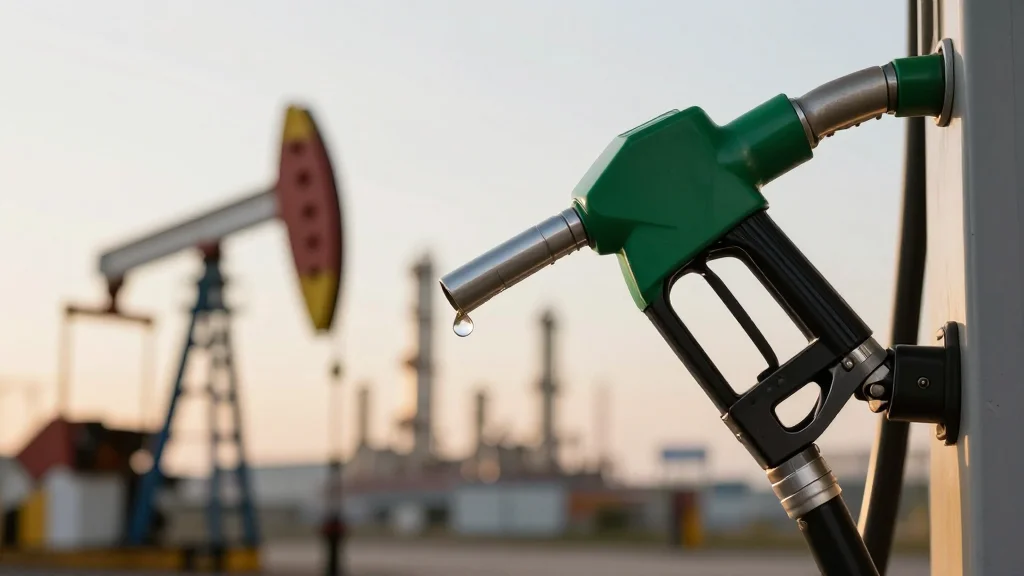
India Fuel Retailers Face Credit Strain as High Oil Prices Persist, Says Fitch
Why It Matters
Sustained high oil prices could weaken the financial stability of India’s downstream sector, affecting lenders, investors, and the broader economy. Divergent credit profiles may reshape competitive dynamics and policy focus across the region’s fuel market.
Key Takeaways
- •Prolonged high crude prices threaten Indian fuel retailers' EBITDA
- •Delayed pump-price pass‑through raises working‑capital and free‑cash‑flow strain
- •Indian Oil Corp's diversified mix offers better credit resilience
- •Bharat Petroleum faces tighter credit headroom due to expansion spending
- •Hindustan Petroleum's credit may improve after joint‑venture projects finish
Pulse Analysis
India’s downstream sector is at a crossroads as global crude prices hover near $100 a barrel, a level that tests the balance sheets of fuel marketers. When pump prices lag behind input costs, margins compress quickly, forcing companies to dip into cash reserves to fund inventory and refining operations. This dynamic amplifies working‑capital demands, especially for firms that hold large stockpiles, and can trigger a cascade of credit downgrades if free cash flow dries up.
Fitch’s assessment highlights stark contrasts among the three major Indian oil marketers. Indian Oil Corp benefits from a broad business mix that includes petrochemicals, pipelines and retail, providing a buffer against retail‑price volatility. In contrast, Bharat Petroleum’s aggressive expansion and transition projects inflate capital expenditures, narrowing its credit headroom. Hindustan Petroleum, while currently constrained, could see its standalone credit profile improve once key joint‑venture projects come online, though prolonged price pressure would delay those gains. These divergent trajectories underscore the importance of strategic capital allocation and pricing agility.
Regionally, the credit gap between integrated marketers and pure refiners is set to widen, with the latter better positioned to ride benchmark‑linked margins. Sovereign backing remains a crucial safety net, but policy interventions—such as price‑stabilisation mechanisms—will be decisive in shaping outcomes. Investors and lenders should monitor price‑pass‑through policies, inventory levels, and capex plans to gauge credit risk across the Asia‑Pacific downstream landscape.
India fuel retailers face credit strain as high oil prices persist, says Fitch
Comments
Want to join the conversation?
Loading comments...