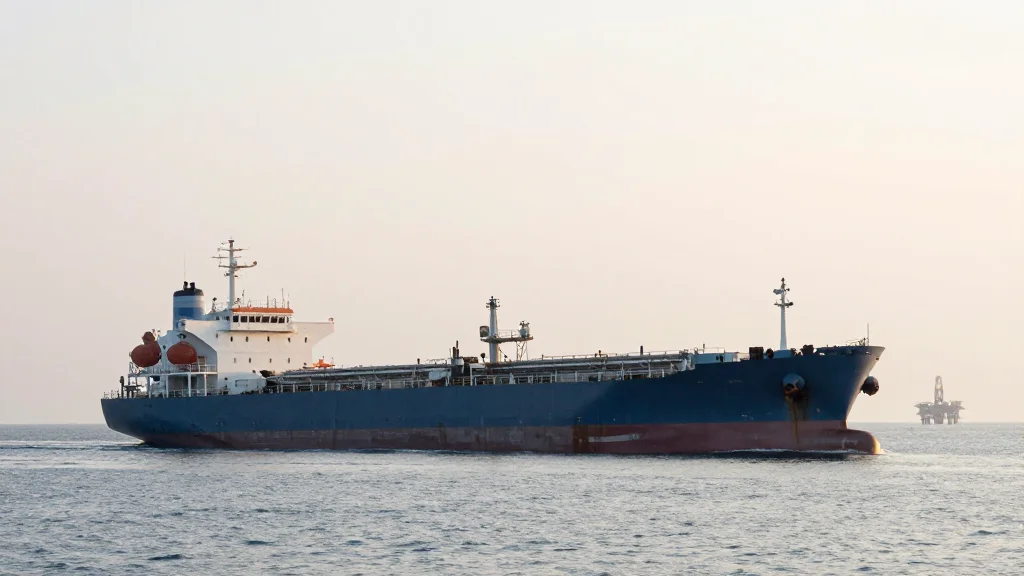
India Has 76-80 Days of Oil but Wider Gulf Conflict Could Pose Challenge: Hardeep Singh Puri
Why It Matters
The warning underscores how regional geopolitical volatility can quickly translate into supply risks for India’s energy‑intensive economy, prompting a push for diversified import sources and stronger strategic reserves.
Key Takeaways
- •India holds 76‑80 days of oil and gas reserves.
- •Expanded Gulf conflict could disrupt India's energy imports.
- •Bilateral talks with Venezuela aim to diversify supply sources.
- •India recorded second‑lowest fuel price rise among 193 nations.
- •Minister warns of potential spillover to other regions.
Pulse Analysis
India’s petroleum ministry says the country can meet its oil and gas demand for roughly 76‑80 days using existing reserves. While modest compared with the United States’ 90‑day strategic petroleum reserve, the figure represents a critical buffer for a nation that imports about 80 % of its crude. The stockpile, built up through regular commercial purchases and strategic storage, gives policymakers a short‑term safety net against sudden supply shocks, but it does not replace the need for long‑term diversification.
The broader risk comes from the ongoing Gulf conflict, which, if it spreads beyond the Arabian Peninsula, could choke key shipping lanes such as the Strait of Hormuz. Any disruption would raise freight costs and tighten global oil markets, pressuring India’s import bills. Anticipating this, Minister Hardeep Singh Puri has deepened energy ties with Venezuela, a traditional supplier of heavy crude, and is exploring additional contracts with African and Central Asian producers. Diversifying sources reduces reliance on any single region and mitigates geopolitical exposure.
Despite the turbulence, India recorded the second‑lowest fuel‑price increase among 193 countries, trailing only Japan. This stability stems from a combination of modest inventory drawdowns, targeted subsidies, and the government’s willingness to absorb short‑term price swings to protect inflation. For businesses and consumers, steadier fuel costs translate into predictable logistics expenses and lower pressure on household budgets. Looking ahead, maintaining adequate reserves while expanding the supplier base will be essential for India to navigate any escalation in the Gulf theatre without jeopardizing economic growth.
India has 76-80 days of oil but wider Gulf conflict could pose challenge: Hardeep Singh Puri
Comments
Want to join the conversation?
Loading comments...