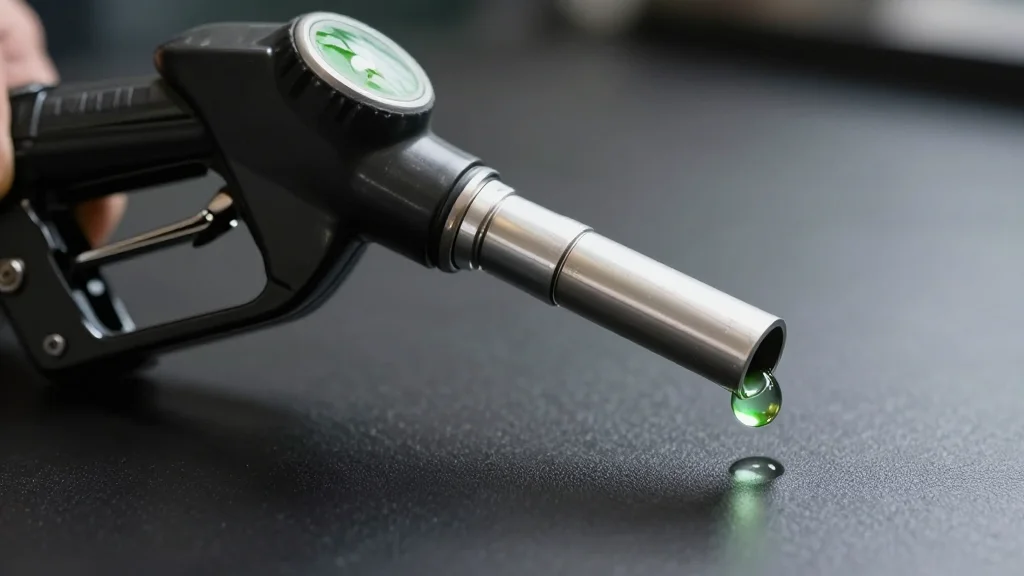
India Likely to Introduce Diesel-Isobutanol Blending Mandate This Year to Boost Energy Security
Why It Matters
Mandating isobutanol in diesel could reduce India’s reliance on imported crude while lowering transport‑sector carbon intensity, setting a precedent for large‑scale biofuel integration in emerging markets.
Key Takeaways
- •India may mandate diesel‑isobutanol blending by year‑end
- •Diesel use is twice petrol, amplifying security impact
- •Bharat Petroleum’s research shows promising blend performance
- •Truck‑trailer swap model targets reduced electric‑truck idle time
- •Hydrogen buses now run Delhi‑Faridabad, Delhi‑Noida routes
Pulse Analysis
The push for diesel‑isobutanol blending arrives at a pivotal moment for India’s energy policy. With diesel accounting for nearly 60 % of the nation’s transport fuel demand, a bio‑derived additive offers a dual advantage: it diversifies the fuel supply chain away from volatile crude imports and delivers a measurable carbon‑reduction benefit. Internationally, countries such as Brazil and the United States have demonstrated that alcohol‑fuel blends can cut lifecycle emissions by 10‑15 %, and India’s own research by Bharat Petroleum suggests comparable performance without compromising engine durability. By institutionalising the blend, the government signals a scalable pathway toward a greener, more resilient fuel matrix.
Complementing the biofuel strategy, the Ministry of Road Transport and Highways is trialling a ‘tractor‑trailer interchangeability’ concept designed to accelerate electric heavy‑vehicle adoption. Instead of swapping bulky batteries, operators can detach the powered front module and replace it at dedicated charging hubs, slashing idle time and mitigating range anxiety for long‑haul freight. Early pilots indicate a 30 % reduction in turnaround compared with conventional plug‑in charging. Parallel hydrogen projects—such as buses covering 450 km per fill on Delhi‑Faridabad routes—demonstrate that multiple low‑carbon fuels can coexist, offering fleet managers flexibility while infrastructure costs gradually fall.
Beyond fuels, India is modernising its road network through technology‑driven initiatives. Multi‑Lane Free Flow tolling, now operational at two plazas with a third imminent, eliminates stop‑and‑go delays, improving throughput and cutting emissions from idling vehicles. The rollout of advanced traffic‑management systems across Delhi NCR and the push for access‑controlled expressways aim to separate slow‑moving traffic from high‑speed corridors, raising average speeds and fuel efficiency. Together, these measures create a synergistic ecosystem where cleaner fuels, electrified trucks, and smarter infrastructure reinforce each other, positioning India as a potential leader in sustainable logistics.
India likely to introduce diesel-isobutanol blending mandate this year to boost energy security
Comments
Want to join the conversation?
Loading comments...