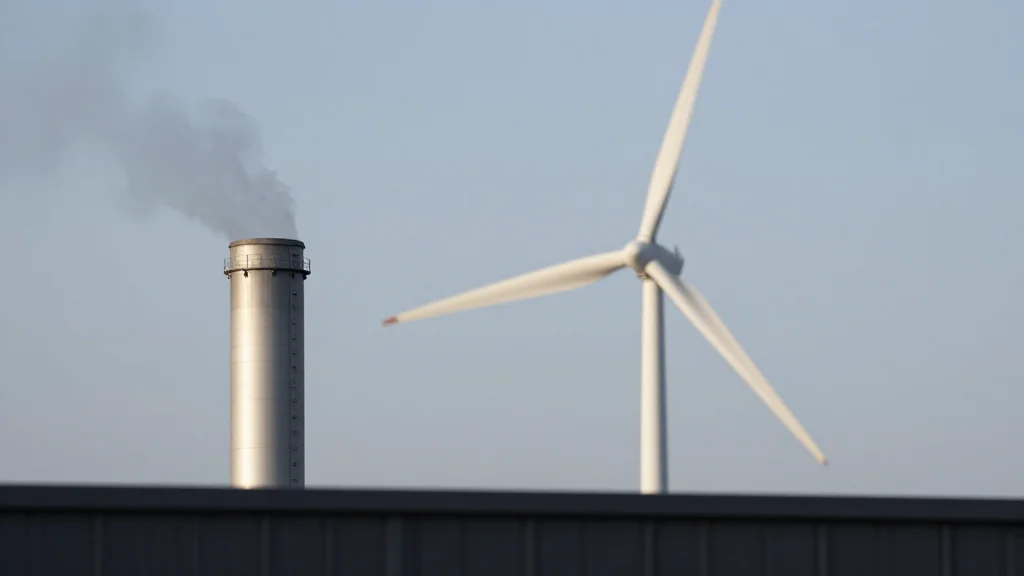
Indiana Coal Plant that Trump Forced to Stay Open Is Not Operating
Why It Matters
The situation highlights the tension between federal energy directives and actual grid capacity, exposing ratepayers to costly subsidies for non‑operational coal assets while the industry pivots toward cleaner, cheaper power sources.
Key Takeaways
- •DOE ordered Schahfer plant to stay online despite repairs
- •Plant offline since Feb; not expected to run until fall 2026
- •NIPSCO expects surplus power from wind, solar, batteries this summer
- •Keeping plant past 2025 retirement could cost ratepayers over $1 billion
- •Earthjustice asks appeals court to block the must‑run orders
Pulse Analysis
The Department of Energy’s use of Section 202(c) to keep aging coal plants running marks an unprecedented expansion of federal authority. Under the Trump administration, seven fossil‑fuel facilities received emergency must‑run orders, a tool traditionally reserved for acute grid emergencies. Critics argue the policy was more about political signaling than genuine reliability concerns, especially as regulators had already deemed the Schahfer plant unnecessary for regional stability. This aggressive stance raises questions about the balance of power between federal agencies and state utility regulators, and whether such orders can be justified when the targeted assets are non‑operational.
Operationally, the Schahfer plant has been out of service since late February for extensive boiler and turbine repairs, with a tentative return slated for October. Meanwhile, the Midcontinent Independent System Operator reports that wind, solar, and battery installations across its footprint have expanded dramatically, providing a buffer that renders the coal plant’s contribution redundant for the upcoming summer peak. NIPSCO’s testimony to MISO underscored a surplus of generation capacity, suggesting that the grid can safely absorb the plant’s absence without risking blackouts. This reality challenges the DOE’s narrative of an imminent energy emergency and underscores the growing reliability of renewable resources.
Financially, the forced extension of Schahfer’s operation imposes a steep burden on Indiana’s ratepayers. NIPSCO estimates more than $1 billion in costs through 2027 to keep the plant running past its 2025 retirement, costs that will be passed on to consumers. Earthjustice’s legal challenge seeks to halt the must‑run orders, arguing that taxpayers should not subsidize a non‑functioning coal plant when cleaner alternatives are already delivering power at lower cost. The dispute illustrates a broader industry shift: as data centers and electrification drive demand, utilities are increasingly turning to fast‑deploying wind, solar, and storage solutions rather than costly, polluting coal retrofits. This transition not only aligns with climate goals but also promises more affordable electricity for end‑users.
Indiana coal plant that Trump forced to stay open is not operating
Comments
Want to join the conversation?
Loading comments...