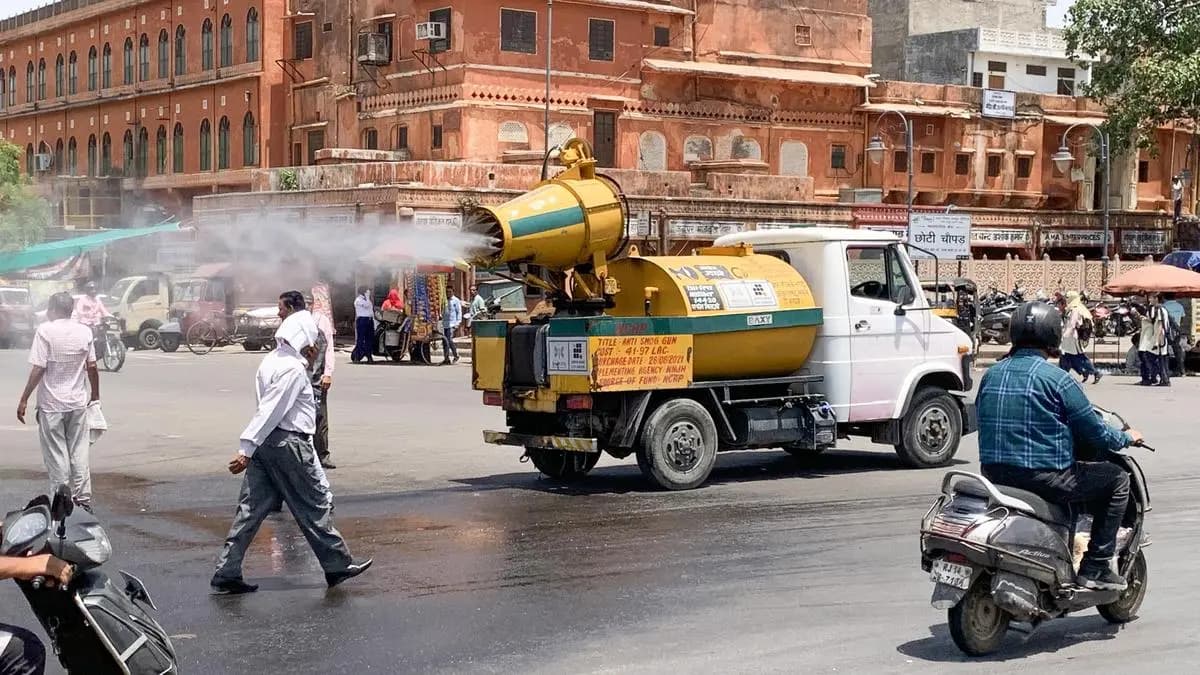
India’s Heat Exposes a Fragile Grid as Energy Crunch Deepens
Why It Matters
The strain underscores how climate‑driven heat spikes and geopolitical supply shocks can cripple India’s power system, threatening economic productivity and public welfare. Addressing the gap is critical for energy security and climate resilience.
Key Takeaways
- •Night‑time power shortfall reached 5.4 GW, affecting ~2.7 million homes.
- •Solar provides ~30% of capacity, but cannot meet overnight demand.
- •21 GW of coal and nuclear capacity offline due to forced outages.
- •LNG imports slashed by Persian Gulf war, limiting gas‑plant flexibility.
- •El Niño may suppress monsoon rains, further stressing grid and irrigation demand.
Pulse Analysis
India’s current heat wave is more than a weather story; it is a stress test for the nation’s electricity infrastructure. Record highs across Gujarat, Maharashtra and the Himalayas have pushed daytime demand to historic levels, while unusually warm nights prevent the natural cooling that traditionally eases load. The India Meteorological Department warns that night‑time minimums will stay above 30 °C throughout May, forcing households to run air‑conditioners around the clock. This surge in consumption coincides with a supply crunch caused by limited LNG imports—an indirect fallout of the Persian Gulf conflict—leaving gas‑fired peaker plants under‑utilised.
The grid’s structural weaknesses are laid bare by the mix of generation assets. Solar, now roughly 30% of installed capacity, delivers abundant power during daylight but offers no night‑time output, creating a steep “duck curve” that the system struggles to flatten. Meanwhile, about 21 GW of coal and nuclear capacity sit in forced maintenance, eroding the baseload cushion needed for continuous supply. The resulting night‑time deficit of up to 5.4 GW is equivalent to the electricity needs of 2.7 million rural homes, prompting scheduled blackouts in states like Punjab. Without sufficient storage or flexible gas‑turbine capacity, the grid remains vulnerable to further spikes.
Policymakers and utilities must accelerate investments in grid‑scale storage, demand‑response programs, and resilient transmission to bridge the day‑night gap. Enhancing transformer ratings and pre‑emptively identifying overload hotspots can mitigate equipment failures under heat stress. Moreover, diversifying fuel imports and expediting domestic LNG projects will restore the gas‑plant bridge that smooths renewable variability. As El Niño threatens to dampen monsoon rains, the combined pressure of agricultural irrigation and cooling loads could deepen the crisis, making strategic reforms essential for India’s energy security and climate adaptation agenda.
India’s heat exposes a fragile grid as energy crunch deepens
Comments
Want to join the conversation?
Loading comments...