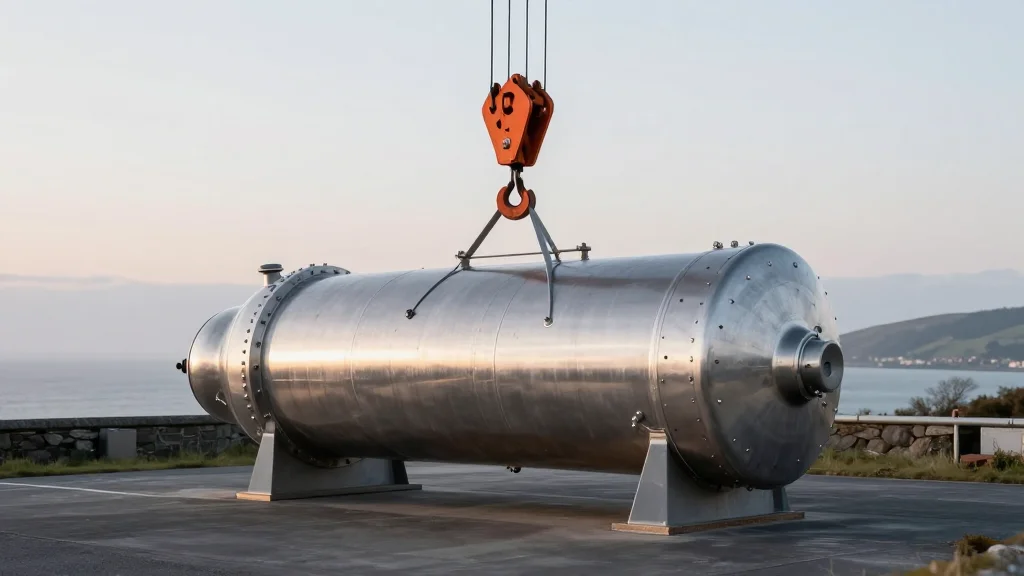
Industrialise Small Modular Reactor Delivery to Help Unlock a Nuclear Golden Age
Why It Matters
Industrialising SMR delivery transforms nuclear from a one‑off project into a scalable, low‑carbon power source that underpins the UK’s energy security and modern industrial strategy, while generating significant economic and social benefits.
Key Takeaways
- •Wylfa chosen as UK's first SMR fleet site
- •Industrialised delivery cuts construction time and costs
- •Off‑site modular factories boost safety and repeatability
- •Supply‑chain partnerships create regional jobs and skills
- •Standardised SMR designs attract long‑term investor confidence
Pulse Analysis
The UK’s renewed focus on nuclear power reflects a broader shift toward energy security amid geopolitical tensions and a domestic push for low‑carbon growth. Small modular reactors, unlike traditional megaprojects, promise rapid deployment and flexible siting, making them ideal for powering data centres, gigafactories and other high‑intensity industries highlighted in the Modern Industrial Strategy. By treating SMRs as a repeatable product line rather than bespoke installations, policymakers aim to lower capital barriers and accelerate the transition to a resilient, diversified energy mix.
Achieving this vision hinges on industrialising the delivery model. Lessons from large‑scale projects such as Hinkley Point C and Sizewell C demonstrate the value of knowledge transfer, while practices from sectors like offshore wind and data‑centre construction—particularly serial manufacturing and design‑for‑manufacturing—offer a blueprint for speed and safety. Off‑site modular factories enable components to be built under controlled conditions, reducing on‑site risk and fostering a predictable supply chain. Treating manufacturers as partners rather than mere suppliers further aligns incentives, ensuring accountability and shared rewards throughout the project lifecycle.
Beyond power generation, a successful SMR rollout can act as an economic catalyst. The construction and operation phases generate long‑term, well‑paid jobs, while the steady supply of low‑cost electricity attracts ancillary industries, fostering regional clusters around reactor sites. This creates a virtuous cycle of skills development, community investment and export potential, positioning the UK as a global leader in next‑generation nuclear technology. As other nations race to scale SMRs, the UK’s industrialised approach could secure both domestic prosperity and a competitive edge in the international market.
Industrialise small modular reactor delivery to help unlock a nuclear golden age
Comments
Want to join the conversation?
Loading comments...