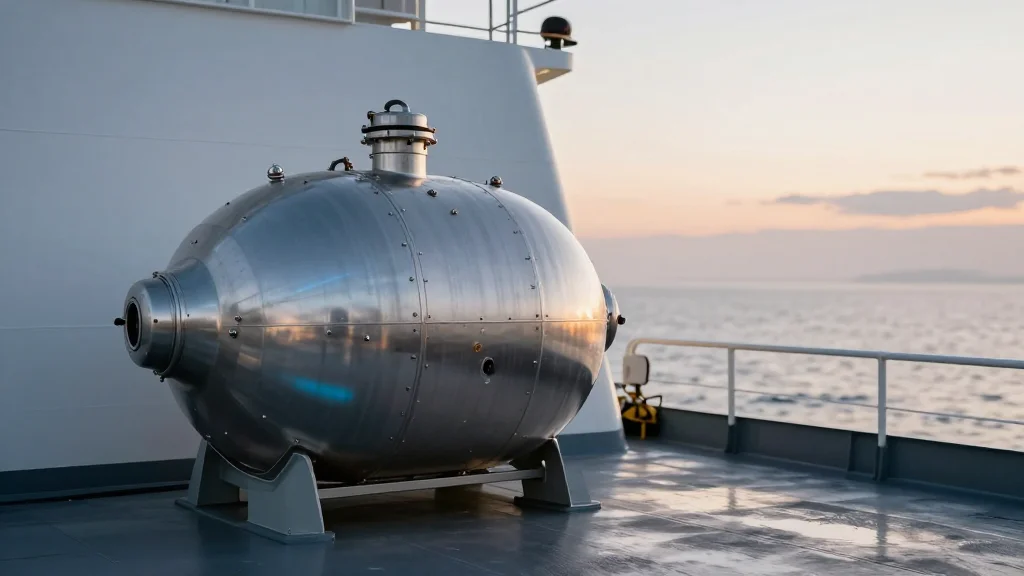
Industry, Government Leaders Convene for Innovation Café on Small Modular Reactors
Why It Matters
SMR integration could dramatically cut maritime carbon emissions while enhancing fuel efficiency, positioning the U.S. fleet for future regulatory and market demands. The dialogue accelerates pathways for commercial deployment, influencing investment and policy decisions.
Key Takeaways
- •SMR tech discussed as potential maritime propulsion alternative
- •ABS facilitates dialogue between startups, shipyards, and regulators
- •Economic viability and regulatory pathways identified as key hurdles
- •USCMI aims to accelerate SMR adoption across U.S. fleet
- •Innovation Café series supports sustainability and global competitiveness goals
Pulse Analysis
Small Modular Reactors are emerging as a promising low‑carbon power source for ships, offering compact size, factory‑built safety features, and the ability to generate consistent electricity without relying on traditional bunker fuels. As the International Maritime Organization tightens emissions standards, the U.S. maritime industry faces pressure to adopt cleaner propulsion options. SMRs could provide a scalable solution for a range of vessel types, from container ships to offshore support vessels, potentially reducing fuel costs and meeting decarbonization targets ahead of schedule.
The Innovation Café, organized by the American Bureau of Shipping and the U.S. Center for Maritime Innovation, illustrates a collaborative model that brings together technology developers, shipbuilders, port authorities, and regulators. By convening these stakeholders, the forum surfaces practical challenges such as licensing, crew training, and integration with existing ship systems. ABS’s role as a facilitator helps align technical standards with regulatory frameworks, while the Maritime Administration’s involvement signals federal support for pilot projects and potential funding mechanisms.
Looking forward, the momentum generated by these discussions could translate into concrete pilot deployments and a clearer regulatory pathway for SMRs in U.S. waters. Successful adoption would not only lower greenhouse‑gas emissions but also enhance the global competitiveness of the American shipping fleet by showcasing advanced, resilient energy solutions. Investors and policymakers are watching closely, as early commercial successes may unlock broader financing opportunities and stimulate domestic supply chains for nuclear‑grade components.
Industry, Government Leaders Convene for Innovation Café on Small Modular Reactors
Comments
Want to join the conversation?
Loading comments...