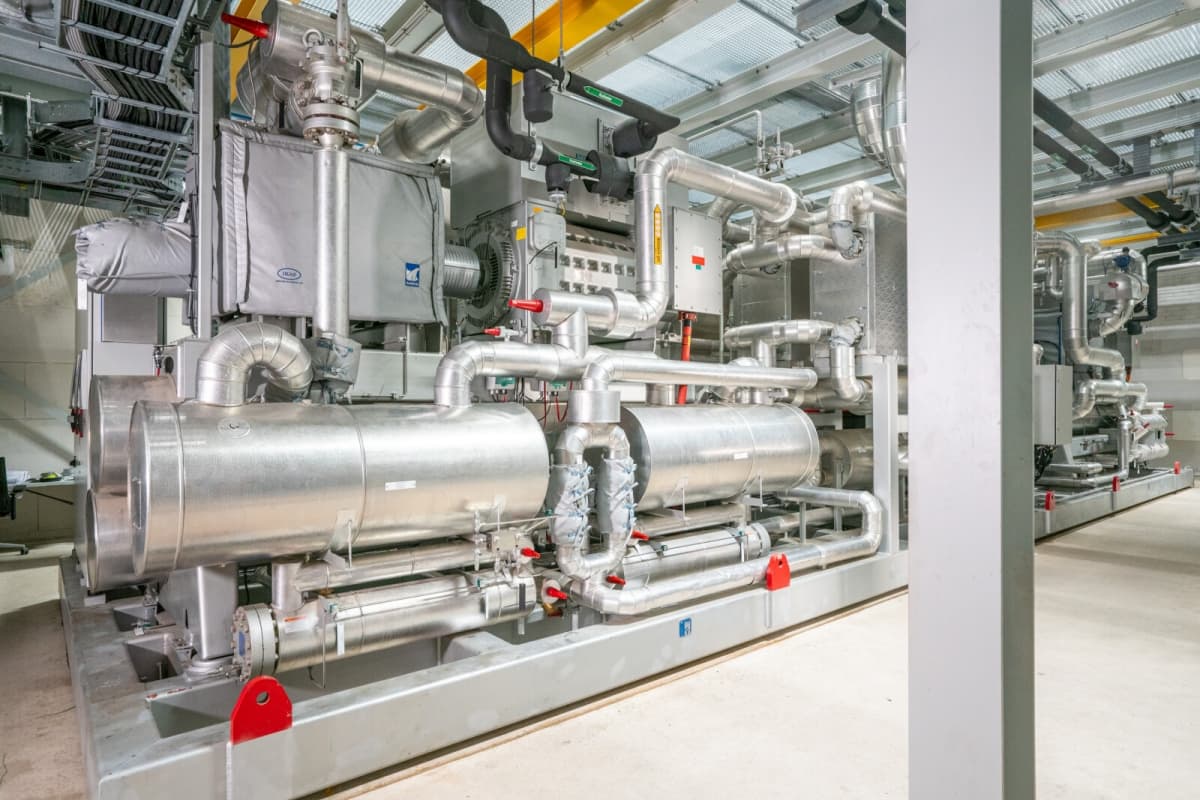
Innomotics Advances Industrial Heat Pump Solutions
Why It Matters
Industrial heat accounts for more than 70% of global process energy, so electrified heat pumps that slash emissions and operating expenses are critical to meeting climate targets and improving industrial competitiveness.
Key Takeaways
- •Innomotics supplies HV motors for BASF's 500k‑ton steam pump.
- •Dutch system supplies 20k homes, cuts 30k tons CO₂ annually.
- •French wastewater project generates 18 MW heat, saves 41k tons CO₂.
- •Drives enable up to 99.9% availability, five‑year shutdown‑free operation.
- •Heat pumps boost efficiency, allowing waste‑heat recovery and district heating.
Pulse Analysis
Industrial heating remains one of the most carbon‑intensive segments of the global economy, with over 70% of process heat still derived from fossil fuels. Heat‑pump technology, which upgrades ambient or waste heat to usable temperatures, offers a pathway to dramatically improve thermal efficiency—often delivering three to four units of heat for each unit of electricity consumed. As utilities worldwide increase renewable generation, coupling electric heat pumps with clean power can virtually eliminate CO₂ emissions from high‑temperature processes, positioning them as a cornerstone of the energy transition for sectors such as chemicals, paper, and food processing.
Innomotics leverages its expertise in high‑voltage motors and medium‑voltage drives to address the reliability and performance demands of industrial heat pumps. Recent deployments illustrate the scale of impact: at BASF’s Ludwigshafen site, the company’s HV M motors and GH180HC converters power the world’s largest steam‑producing heat pump, capable of generating 500,000 tons of steam annually. In the Netherlands, Innomotics‑driven compressors enable a 27 MW system that supplies district heating to 20,000 households while avoiding roughly 30,000 tons of CO₂ each year. A similar French project converts treated wastewater into 18 MW of clean heat, cutting 41,000 tons of emissions and achieving over 70% renewable energy share. Across these installations, the drives deliver up to 99.9% availability and can run five years without scheduled shutdowns, translating into lower maintenance costs and higher plant uptime.
The broader market implication is a rapid acceleration of heat‑pump adoption in heavy industry, driven by tightening emissions regulations and the economic appeal of reduced fuel bills. Investors are increasingly viewing electrified heat solutions as a low‑risk, high‑return asset, especially as financing mechanisms align with ESG objectives. However, widespread rollout still hinges on grid capacity, upfront capital, and the integration of advanced control systems. Policymakers can catalyse growth by offering incentives for renewable‑powered heat pumps and standardising performance metrics. As companies like Innomotics continue to prove the technology’s reliability at scale, industrial heat‑pump projects are poised to become a mainstream component of the global decarbonisation strategy.
Innomotics advances industrial heat pump solutions
Comments
Want to join the conversation?
Loading comments...