Inside the Financing of Egypt’s Largest Solar‑plus‑storage Project
Companies Mentioned
Why It Matters
The financing model shows how development‑bank debt and climate‑fund equity can de‑risk large renewable projects in emerging markets, accelerating Egypt’s clean‑energy transition. It also highlights Scatec’s ability to attract institutional capital while retaining operational control.
Key Takeaways
- •Obelisk project financed with $479M non‑recourse debt from multilateral banks
- •Scatec retains 60% economic interest while limiting equity need
- •Fully contracted 25‑year USD‑denominated PPA eliminates merchant risk
- •Norfund and EDF each hold 20% of operating company
- •Second phase adds 564 MW solar, slated for summer 2026
Pulse Analysis
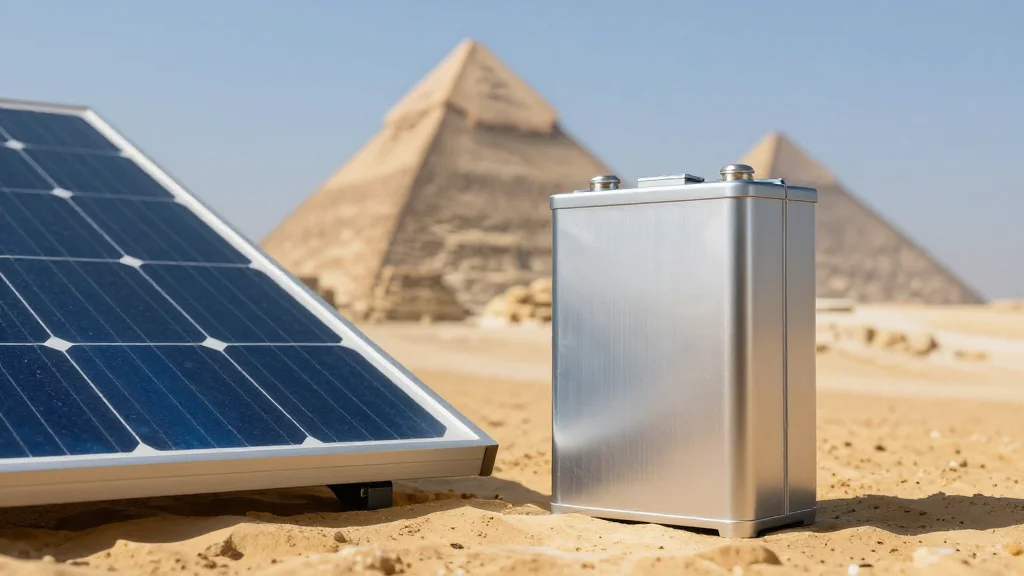
Egypt’s renewable roadmap targets 20 GW of solar capacity by 2030, yet grid stability remains a hurdle. The Obelisk project, combining 561 MW of solar with a 100 MW/200 MWh battery, directly addresses intermittency, offering a template for large‑scale storage integration in the region. By securing a sovereign‑guaranteed, USD‑denominated PPA, the venture eliminates market price risk, making it attractive for both lenders and equity partners seeking predictable cash flows.
The financing structure is a textbook case of layered capital in emerging markets. Over 80% of the $590 million capex is covered by non‑recourse debt from the EBRD, AfDB and British International Investment, while equity is split between Scatec (60%), Norway’s Climate Investment Fund (20%) and EDF Power Solutions (20%). This dual‑level equity approach reduces Scatec’s upfront cash requirement yet preserves majority control, a strategy that can be replicated across its global pipeline. The fully contracted battery dispatch further de‑risks the project, allowing lenders to focus on credit quality rather than commodity exposure.
Investor appetite for climate‑aligned assets is evident as Equinor recently sold an 8.07% stake in Scatec for roughly $170 million, reinforcing confidence in the company’s growth trajectory. Coupled with Scatec’s 2025 financials—$1.17 billion in revenues and a 25% reduction in gross corporate debt—the deal signals that robust DFI backing can unlock sizable private capital in frontier markets. As more nations adopt similar financing blueprints, the pace of renewable deployment in Africa is likely to accelerate, reshaping the continent’s energy landscape.
Inside the financing of Egypt’s largest solar‑plus‑storage project
Comments
Want to join the conversation?
Loading comments...