Investors Pump $200 Million Into Amber Kinetics’ Long‑Duration Flywheel Storage

Why It Matters
The infusion of $200 million into Amber Kinetics underscores a broader industry pivot toward diversified storage solutions. As lithium‑ion batteries face supply‑chain bottlenecks and recycling challenges, kinetic storage provides a steel‑based, low‑degradation alternative that can be manufactured locally. For grids with high renewable penetration, especially isolated or island systems, the ability to store energy for several hours without chemical degradation expands operational flexibility and improves reliability. If flywheel technology can demonstrate cost‑competitiveness at scale, it could reshape investment patterns, prompting utilities and policymakers to allocate capital across a mix of batteries, pumped hydro, and kinetic systems. This diversification would mitigate risks associated with any single technology and accelerate the transition to carbon‑free electricity.
Key Takeaways
- •Investors commit $200 million to Amber Kinetics for long‑duration flywheel storage.
- •New units deliver up to four hours of discharge, a shift from seconds‑long bursts.
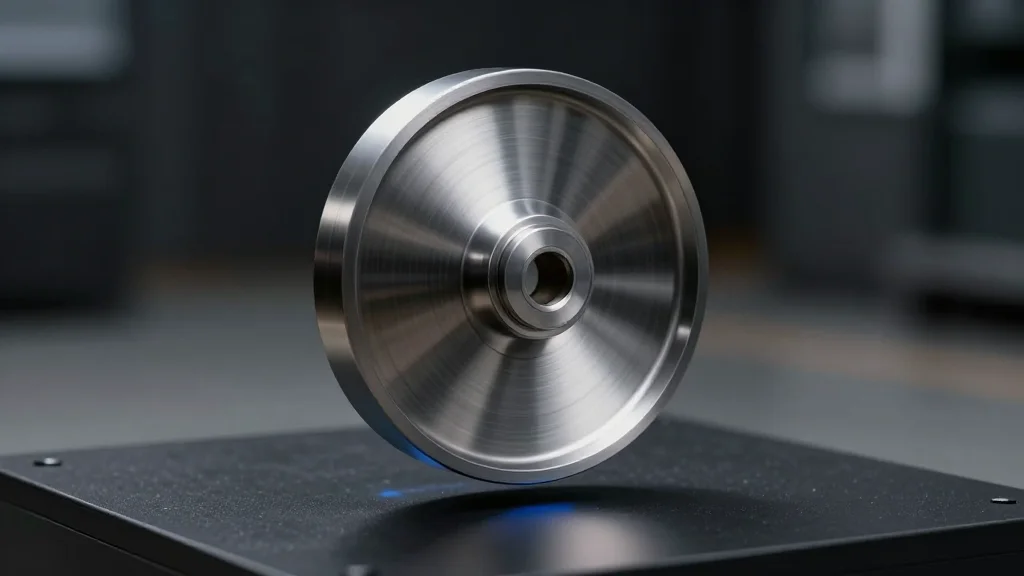
- •Technology uses a steel rotor in vacuum with magnetic levitation to minimize friction.
- •First utility‑scale plant slated for the Philippines in early 2027, with U.S. island pilots.
- •Flywheels offer a steel‑based, low‑maintenance alternative to lithium‑ion batteries.
Pulse Analysis
The resurgence of kinetic storage reflects a strategic response to the twin pressures of renewable integration and battery supply constraints. Historically, flywheels were relegated to frequency regulation because their energy density was too low for longer discharge periods. Amber Kinetics’ engineering breakthrough—combining heavy steel rotors with magnetic levitation and high‑vacuum chambers—effectively rewrites that rulebook, delivering a four‑hour duration that aligns with typical solar‑to‑load shifting needs.
From a market perspective, the $200 million infusion is less about a single technology win and more about signaling to capital markets that alternative storage is viable. Investors are likely betting on a portfolio approach: batteries will dominate short‑term, high‑power applications, while flywheels fill the mid‑duration niche that pumped hydro cannot economically serve in many regions. This layered storage architecture could lower overall system costs, reduce reliance on scarce minerals, and provide resilience against future supply shocks.
Looking ahead, the critical test will be cost per kilowatt‑hour delivered over the system’s lifetime. If Amber Kinetics can achieve parity with battery storage on a levelized cost basis while offering superior cycle life and minimal degradation, we may see utilities incorporate flywheels into capacity markets and ancillary service offerings. The upcoming deployments in the Philippines and U.S. islands will generate the performance data needed to validate those economic assumptions and could set the template for broader adoption worldwide.
Investors Pump $200 Million into Amber Kinetics’ Long‑Duration Flywheel Storage
Comments
Want to join the conversation?
Loading comments...