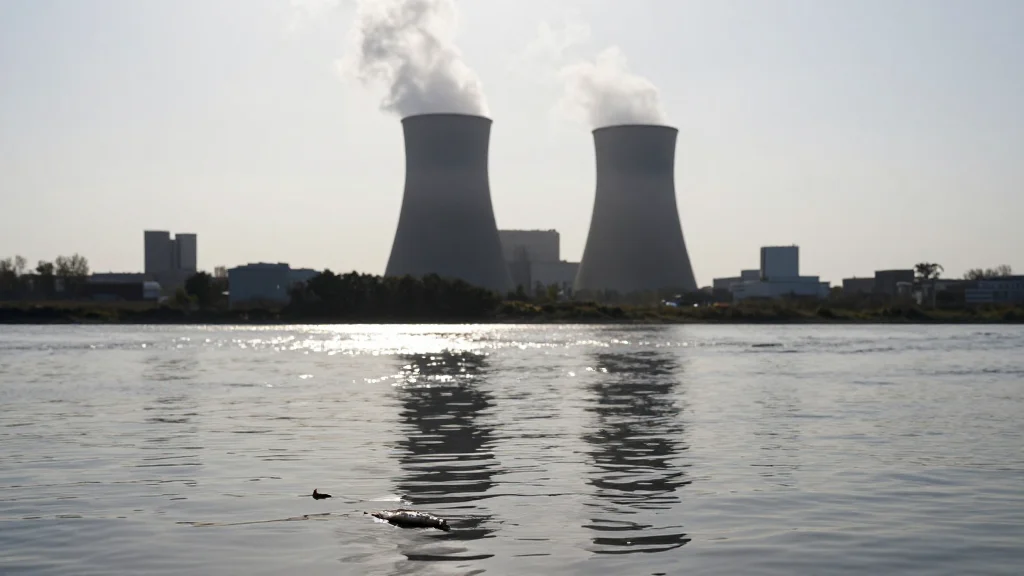
Iowa Waterways at Risk as EPA Allows More Toxic Waste From Coal Plants
Why It Matters
Relaxed wastewater standards could increase exposure to hazardous metals for millions, raising health costs and prompting legal challenges. The decision also signals the regulatory climate utilities face when planning long‑term energy investments.
Key Takeaways
- •EPA proposes weaker coal ash wastewater limits for Iowa plants
- •Coal ash discharge contains arsenic, mercury, selenium, lead
- •Sierra Club opposes plan, cites health risks
- •Potential 64% reduction in toxic runoff if Biden rules stay
Pulse Analysis
The EPA’s latest proposal to roll back coal‑ash wastewater protections marks a significant shift in federal environmental policy. By allowing higher concentrations of arsenic, mercury, selenium and lead to enter surface waters, the agency is effectively reopening a loophole that the Trump administration previously left untouched. Iowa’s coal‑burning plants, especially those on the Missouri and Des Moines rivers, would be the first to test these relaxed standards, raising concerns among state regulators and local communities about water quality and ecosystem health.
Health experts warn that increased exposure to these heavy metals can trigger liver and kidney damage, cardiovascular disease, and developmental issues in children. The Sierra Club, leveraging its Trump Coal Pollution Dashboard, highlights that the Biden‑era guidelines could cut nationwide wastewater pollution by up to 64 percent, eliminating roughly 325,000 tons of toxic material each year. In Iowa, the Sierra Club’s campaign against the Ottumwa plant underscores the broader public‑health stakes, as current treatment facilities cannot fully remove the hazardous constituents before discharge into the Des Moines River.
Beyond the immediate environmental impact, the regulatory rollback carries strategic implications for the energy sector. Utilities may face heightened scrutiny from investors and insurers wary of litigation and reputational risk tied to pollution. At the same time, the controversy fuels momentum for renewable‑energy transitions, as stakeholders cite cleaner alternatives to avoid future compliance costs. The outcome of this EPA proposal will likely influence national debates on balancing energy reliability with public‑health safeguards, shaping policy directions for years to come.
Iowa Waterways at Risk as EPA Allows More Toxic Waste from Coal Plants
Comments
Want to join the conversation?
Loading comments...