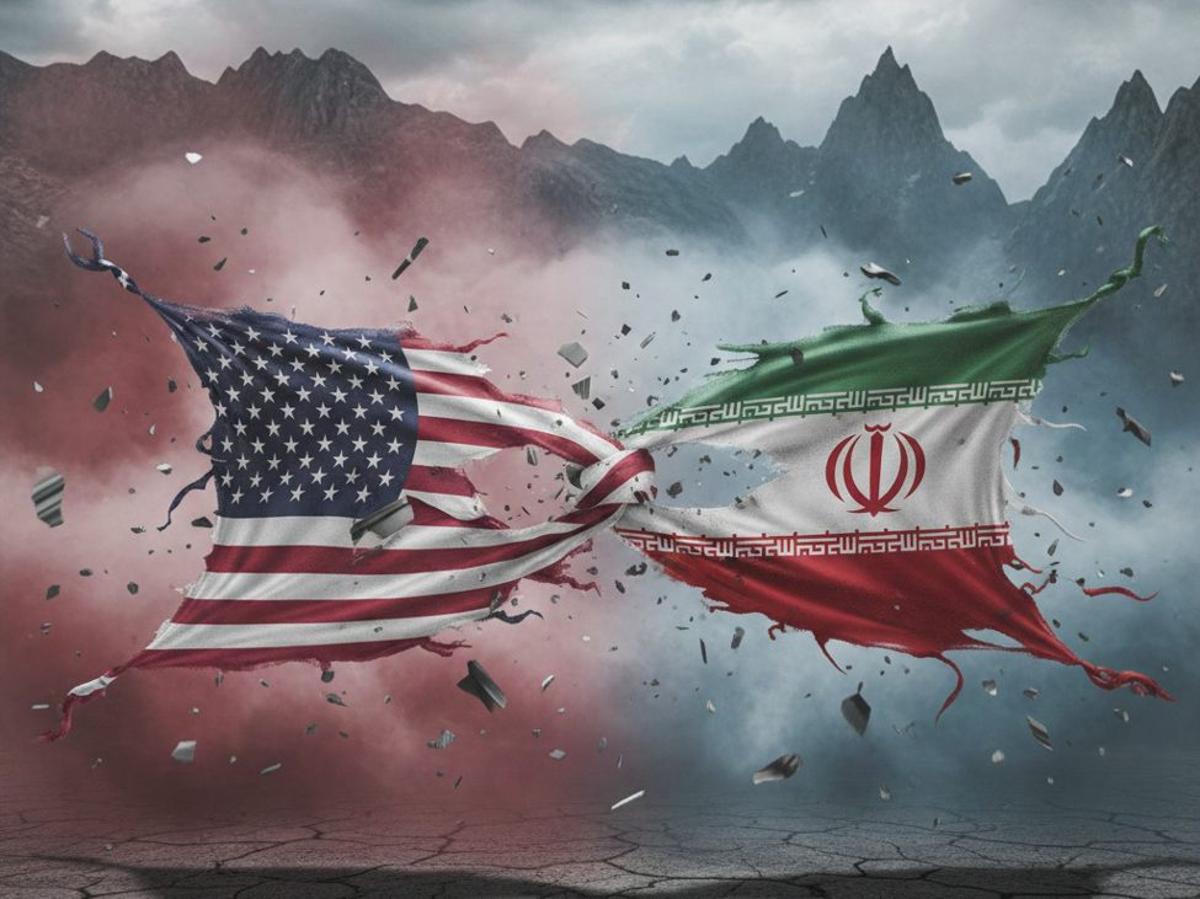
Iran Can Outlast Trump's Hormuz Blockade for Months
Why It Matters
A prolonged Hormuz blockade may cause global oil price volatility but is unlikely to compel Iran to concede on core strategic demands, reshaping sanctions and diplomatic strategies.
Key Takeaways
- •Iran can sustain Hormuz blockade for 90‑120 days.
- •Missile and drone stockpiles remain largely intact after strikes.
- •Oil reserves and smuggling routes cushion economic damage.
- •Tehran rejects US reopening plan without reparations.
- •No uranium exports; enrichment rights are non‑negotiable.
Pulse Analysis
The Strait of Hormuz remains one of the world’s most vital chokepoints, funneling roughly a fifth of global oil shipments. After President Trump’s 14‑point proposal to pressure Tehran, U.S. intelligence estimates Iran could endure a full naval blockade for 90 to 120 days, or longer, before critical supply lines collapse. This assessment challenges the assumption that a swift closure would force Tehran to the negotiating table. Analysts now view the blockade as a protracted test of Iran’s strategic depth rather than an immediate coercive lever.
Despite sustained strikes by the United States and Israel, Iran’s missile and drone inventory remains largely intact, preserving its ability to threaten shipping and regional assets. The resilience of these platforms underscores Tehran’s investment in a diversified asymmetric arsenal that can operate from land, sea and air. Moreover, the continued readiness of these systems provides Iran with bargaining chips in any diplomatic outreach, as the threat of rapid escalation can be re‑leveraged if economic pressure intensifies. This military continuity complicates any U.S. calculus that relies on rapid degradation of Tehran’s strike capability.
Economic resilience is equally critical. Tehran has amassed sizable oil stockpiles and cultivated alternative smuggling corridors that can sustain export revenues while the strait is sealed. These workarounds, combined with a firm stance that no uranium will be exported and that enrichment rights are non‑negotiable, signal a willingness to endure short‑term hardship for long‑term strategic gains. For investors and policymakers, the message is clear: a prolonged Hormuz blockade will likely produce price volatility but may not compel Iran to abandon its core demands, reshaping the calculus of future sanctions and diplomatic initiatives.
Iran can outlast Trump's Hormuz blockade for months
Comments
Want to join the conversation?
Loading comments...