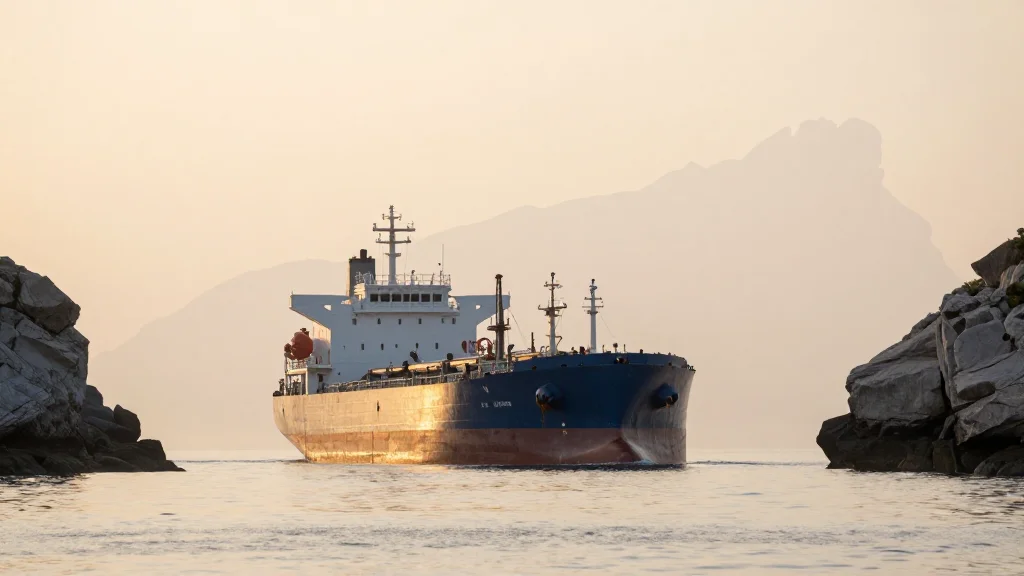
Iran Closes Strait of Hormuz, Japan Secures Alternate Oil Routes
Why It Matters
The closure threatens global oil supply chains, prompting major importers like Japan to rapidly re‑route shipments, which could tighten markets and lift prices. It underscores escalating geopolitical risk in the Gulf, forcing a reassessment of energy security strategies worldwide.
Key Takeaways
- •Iran orders full closure of Hormuz, halting all transit
- •Closure follows Revolutionary Guard's claim of U.S. aggression
- •Japan aims to source 100% of July crude without Hormuz
- •Japanese imports from the United States expected to rise tenfold
- •Global shipping routes may shift, raising freight costs and price volatility
Pulse Analysis
The Strait of Hormuz has long been a strategic artery for global energy, moving an estimated 20 percent of the world’s oil daily. Iran’s abrupt decision to seal the passage—citing what it describes as American aggression—reintroduces a risk that has only been intermittently felt since the 2019 attacks on tankers. Immediate effects include a spike in spot oil prices and heightened insurance premiums for vessels that would otherwise transit the narrow channel. Market participants are scrambling to assess the duration of the shutdown and its ripple effects on supply‑demand balances.
Japan, the world’s third‑largest oil importer, swiftly announced a contingency plan that eliminates reliance on Hormuz for its July imports. By pivoting to alternative sources, chiefly U.S. crude, the country aims to secure 100 percent of its monthly demand without the chokepoint. This shift not only diversifies Japan’s supply mix but also signals a broader strategic pivot toward North American energy, reinforcing bilateral trade ties. Logistically, the move demands rapid chartering of tankers, adjustments to refinery feedstock specifications, and coordination with U.S. exporters to meet the ten‑fold increase in volume.
The broader market impact extends beyond Japan. Shipping firms are evaluating longer routes around the Cape of Good Hope or through the Suez Canal, which could add weeks to transit times and inflate freight rates. Energy traders anticipate tighter global inventories, potentially sustaining higher Brent and WTI benchmarks for months. Moreover, the closure intensifies geopolitical calculations, prompting other oil‑dependent nations to reassess their exposure to Gulf chokepoints and consider strategic stockpiles or alternative energy pathways. In this volatile environment, agility in supply chain management and diplomatic engagement will be key determinants of resilience.
Iran closes Strait of Hormuz, Japan secures alternate oil routes
Comments
Want to join the conversation?
Loading comments...