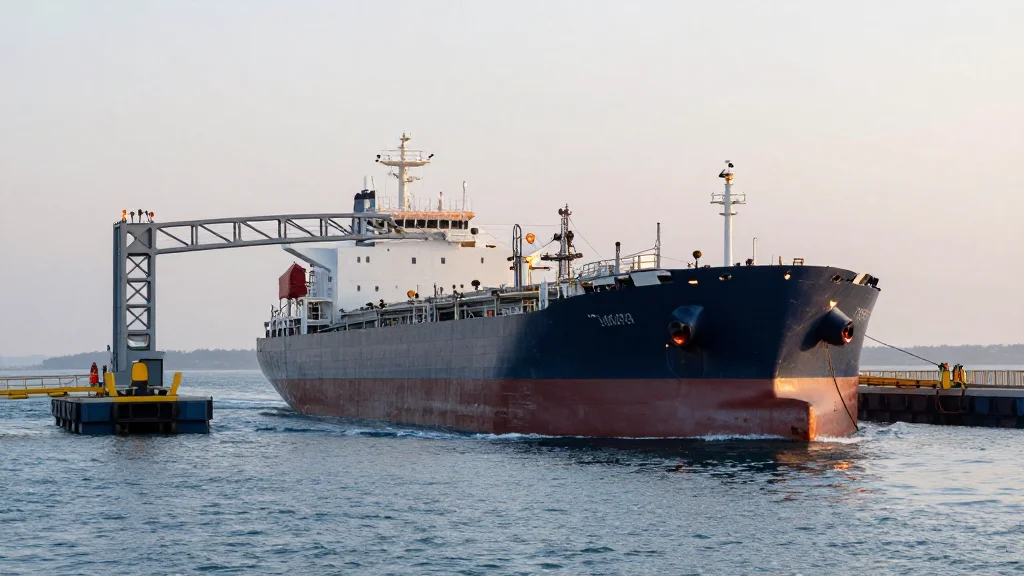
Iran Conflict Risks 20% of Global Oil Supply, Fuels Sharp Price Surge

Why It Matters
The Strait of Hormuz handles roughly a third of daily global oil shipments; a 20% reduction would reverberate through fuel prices, transport costs, and inflation worldwide. Energy‑intensive economies, from Europe to Africa, could see sharp increases in operating expenses, pressuring both consumers and industry. Beyond immediate price spikes, the crisis tests the resilience of global supply chains. A sustained disruption would accelerate the shift toward alternative fuels, such as LNG and renewables, reshaping investment priorities and potentially hastening the transition to lower‑carbon energy sources.
Key Takeaways
- •Iran's new Hormuz toll system could restrict up to 20% of global oil flow
- •Brent crude prices rose above $100 per barrel following the announcement
- •Around 11 U.S. C‑17 cargo planes left Middle Eastern bases, signaling strategic repositioning
- •Spot LNG contracts surged as buyers hedge against oil supply risks
- •African economies face heightened inflation and supply chain strain due to the crisis
Pulse Analysis
The Hormuz toll proposal marks a rare instance where a single policy move can jeopardize a sizable slice of global oil supply. Historically, the strait has been a flashpoint, but the explicit monetization of transit rights adds a new layer of economic leverage. Market participants are likely to price in a risk premium, which could linger even if the toll is later rolled back, as traders factor in the possibility of future geopolitical pricing tools.
Strategically, the U.S. aircraft redeployment hints at a broader contingency plan. By pulling airlift capacity out of the region, Washington may be preparing to protect its own energy logistics while signaling resolve to Tehran. This maneuver could also free up assets for rapid response to any escalation, but it may inadvertently signal to oil producers that demand could outpace supply, further inflating prices.
In the longer term, the crisis could accelerate diversification away from oil‑centric supply routes. Nations may increase LNG import capacity, invest in strategic reserves, and fast‑track renewable projects to mitigate similar shocks. The current scramble for LNG contracts underscores a market already in transition, and sustained tension could cement a more resilient, albeit more expensive, energy landscape.
Iran Conflict Risks 20% of Global Oil Supply, Fuels Sharp Price Surge
Comments
Want to join the conversation?
Loading comments...