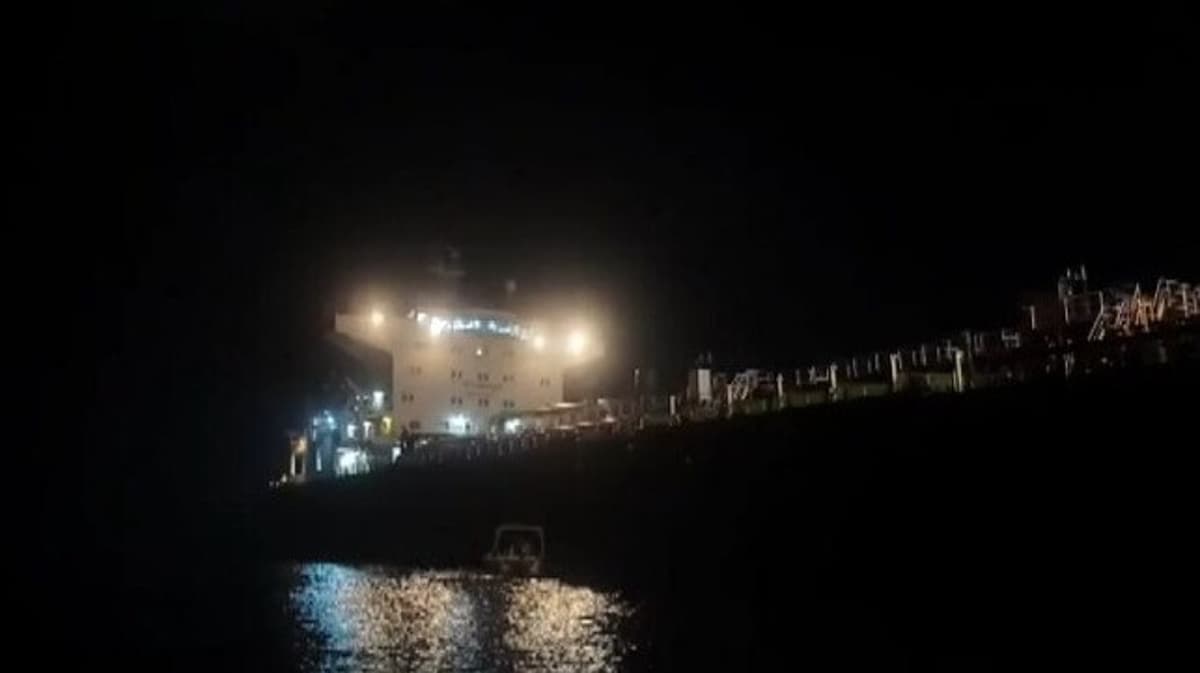
Iran Diverts and Seizes a Tanker Linked to Its Own Oil Industry
Companies Mentioned
Why It Matters
The seizure underscores the complex interplay between sanctions enforcement and Iran’s internal power dynamics, potentially affecting the reliability of its covert oil‑shipping routes. It also signals how stateless vessels remain vulnerable to political maneuvering despite operating outside traditional registries.
Key Takeaways
- •Iran seized IMO 9255933, a vessel tied to its own oil exports
- •Ship operates stateless, part of Iran's shadow fleet since 2020
- •Seizure likely symbolic, showing internal power dynamics amid sanctions
- •Vessel completed 16 Iran‑linked voyages, half via ship‑to‑ship transfers
- •U.S. Treasury sanctions targeted the tanker and owner Ocean Kudos Shipping
Pulse Analysis
Iran’s shadow fleet has become a cornerstone of its ability to evade international sanctions, using stateless vessels and ship‑to‑ship transfers to move crude and refined products. The Jin Li, formerly known as Ocean Koi, exemplifies this strategy: registered under the Barbados flag until 2025, it now sails without a flag, a status that complicates tracking and enforcement. By operating outside conventional registries, such tankers exploit legal gray zones, allowing Iran to sustain oil revenues despite pressure from the U.S. Treasury and allied governments.
The recent seizure, announced by the Iranian Navy, appears paradoxical because the vessel has historically served Iran’s own export needs. Analysts suggest the action is performative, aimed at demonstrating internal control or appeasing hard‑line factions within the Supreme National Security Council. With no clear operational breach cited, the move may reflect a power play between military and civilian authorities, signaling that even friendly assets can be commandeered to reinforce national narratives about protecting oil interests.
For the global oil market, the incident highlights the fragility of covert shipping networks that underpin sanctioned economies. While the immediate impact on supply is limited—given the vessel’s modest size and recent inactivity—the broader message is a reminder that stateless ships remain susceptible to sudden political decisions. Shipping firms and insurers must therefore monitor geopolitical cues closely, as similar seizures could disrupt the already volatile flow of Iranian petroleum and influence price dynamics in the broader energy sector.
Iran Diverts and Seizes a Tanker Linked to its Own Oil Industry
Comments
Want to join the conversation?
Loading comments...