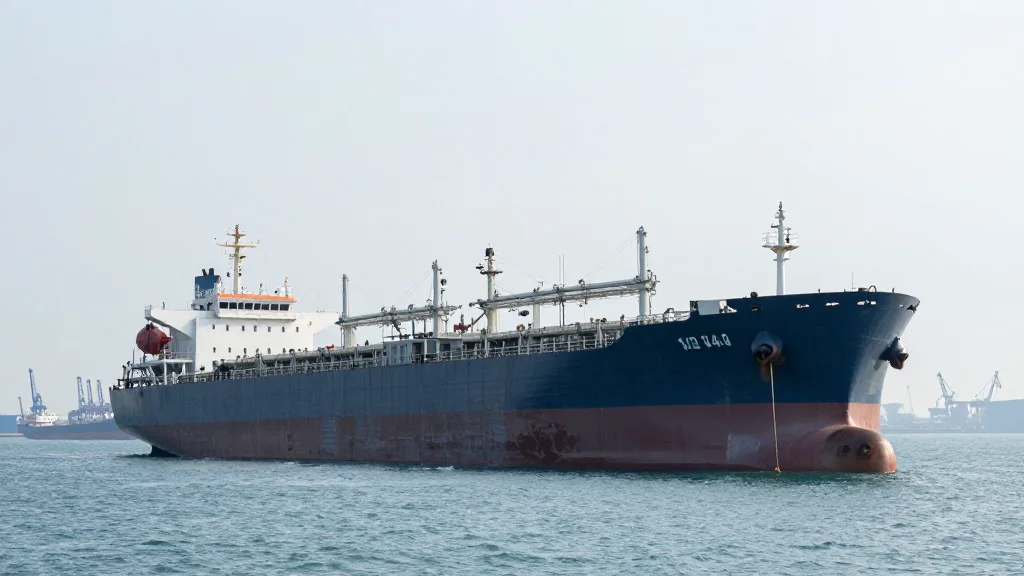
Iran Oil Hoard at Sea Shields China’s Refiners From US Blockade
Why It Matters
The reserves protect China’s domestic fuel supply and limit the impact of U.S. sanctions on global oil markets, preserving a key source of cheap crude for independent refiners.
Key Takeaways
- •38 million barrels of Iranian crude sit on Asian tankers.
- •Over one‑third of those vessels are anchored in China’s Yellow Sea.
- •Chinese “teapots” hold about 2.5 months of Iranian oil supply.
- •Imports rose to a record 1.8 million barrels per day last month.
- •U.S. Hormuz blockade could pressure prices but reserves buffer refiners.
Pulse Analysis
The accumulation of Iranian crude on Asian tankers reflects a strategic hedge by China’s independent refiners, who have long relied on low‑cost oil from Tehran to offset thin margins. By positioning roughly 38 million barrels at sea—more than a third near the Yellow Sea—these “teapots” secure a buffer that translates into about 2.5 months of supply, even as the United States tightens a maritime blockade around the Strait of Hormuz. This stockpile, combined with record on‑shore inventories in Shandong, underscores how China is insulating its domestic fuel market from geopolitical shocks.
Globally, the U.S. blockade aims to choke off Iran’s revenue stream, yet the immediate effect on oil prices is muted by the existing reserves. Iranian Light, once sold at a $10‑per‑barrel discount to ICE Brent, now trades at a modest premium, indicating that market participants have already priced in supply constraints. For China’s refiners, the higher price is offset by the continued availability of cheap Iranian crude, which remains essential after the loss of Venezuelan supplies following U.S. actions earlier this year. The situation highlights the delicate balance between sanction‑driven price spikes and the stabilizing influence of pre‑positioned inventories.
Looking ahead, Beijing’s decision to grant additional import quotas signals a proactive stance to safeguard energy security. Should the Hormuz blockade persist, Chinese refiners may lean more heavily on the sea‑borne hoard while seeking alternative sources such as Russian or domestic crude. The broader geopolitical calculus suggests that U.S. pressure could inadvertently push regional players toward deeper energy ties with China, reshaping trade flows and potentially dampening the intended impact of the sanctions regime.
Iran oil hoard at sea shields China’s refiners from US blockade
Comments
Want to join the conversation?
Loading comments...