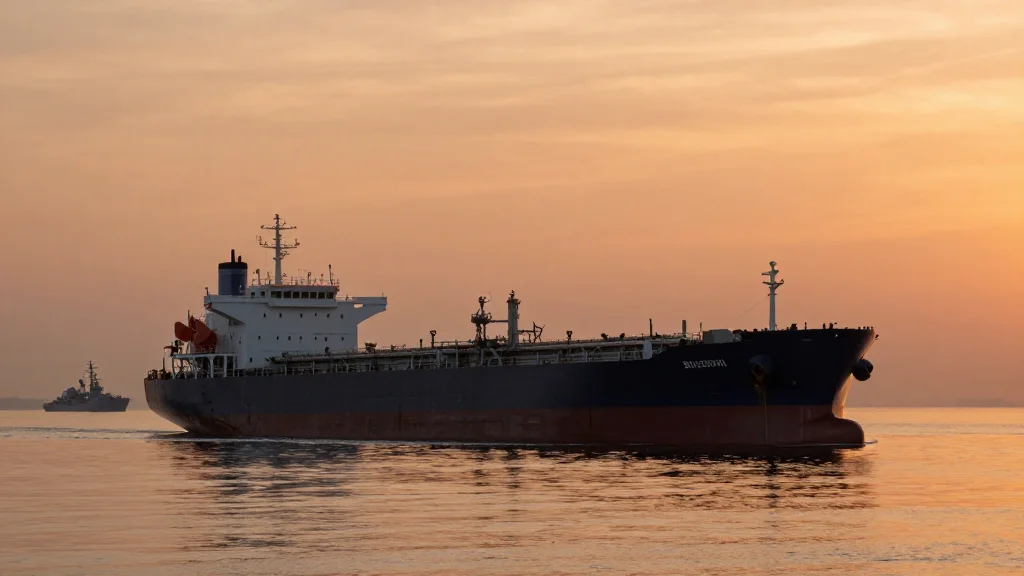
Iran War Triggers Historic Oil Blockade, BP Q1 Profit More Than Doubles to $3.2 Bn

Why It Matters
The Iran‑driven blockade reshapes the global energy supply chain, forcing a re‑evaluation of risk premiums on oil assets and accelerating discussions on energy security. BP’s profit surge underscores how integrated majors can convert geopolitical shocks into cash flow, but it also highlights the fragility of the market: a single chokepoint can trigger price spikes that ripple through every segment of the industry, from upstream producers to downstream refiners and end‑consumers. Policymakers face a dilemma: balancing sanctions and military posturing with the need to keep oil flowing to avoid a broader economic fallout. The episode may spur faster investment in alternative routes, strategic reserves, and renewable transition strategies as governments seek to mitigate future choke‑point risks.
Key Takeaways
- •BP’s Q1 underlying replacement‑cost profit hits $3.2 bn, more than double YoY.
- •Strait of Hormuz blockade labeled the largest oil‑market disruption in history by the IEA.
- •Crude benchmarks rose over 15% after the Iran‑U.S. conflict began on Feb. 28.
- •BP’s net debt rises to $25.3 bn; target to cut to $14‑$18 bn by end‑2027.
- •Analysts expect higher cash flow for integrated majors while pure‑play producers face cost pressures.
Pulse Analysis
The Iran‑U.S. confrontation has turned a geopolitical flashpoint into a market catalyst, delivering a rare earnings windfall for an integrated oil major. BP’s ability to translate higher spot prices into a $3.2 bn profit illustrates the structural advantage of owning both upstream assets and downstream trading desks. However, the upside is contingent on the blockade persisting; a rapid diplomatic resolution could deflate prices and compress margins, leaving BP with higher debt levels and a capital‑intensive growth plan.
Historically, oil‑price spikes from geopolitical events have been short‑lived, but the scale of the Hormuz disruption—affecting roughly one‑fifth of global supply—creates a deeper, more sustained shock. This could accelerate the shift toward supply‑chain diversification, including increased use of the Cape of Good Hope route and greater emphasis on strategic petroleum reserves. For investors, the key risk now lies in the duration of the blockade and the pace of BP’s debt‑reduction strategy. If BP can meet its $14‑$18 bn debt target while maintaining cash flow, it will emerge stronger and better positioned for the energy transition. If not, the company could face pressure from shareholders demanding a faster pivot away from high‑debt, oil‑heavy portfolios.
In the broader market, the episode may reignite calls for a more resilient global oil infrastructure, prompting both governments and industry players to invest in alternative logistics, digital tracking of shipments, and accelerated renewable capacity to hedge against future chokepoint crises.
Iran War Triggers Historic Oil Blockade, BP Q1 Profit More Than Doubles to $3.2 bn
Comments
Want to join the conversation?
Loading comments...