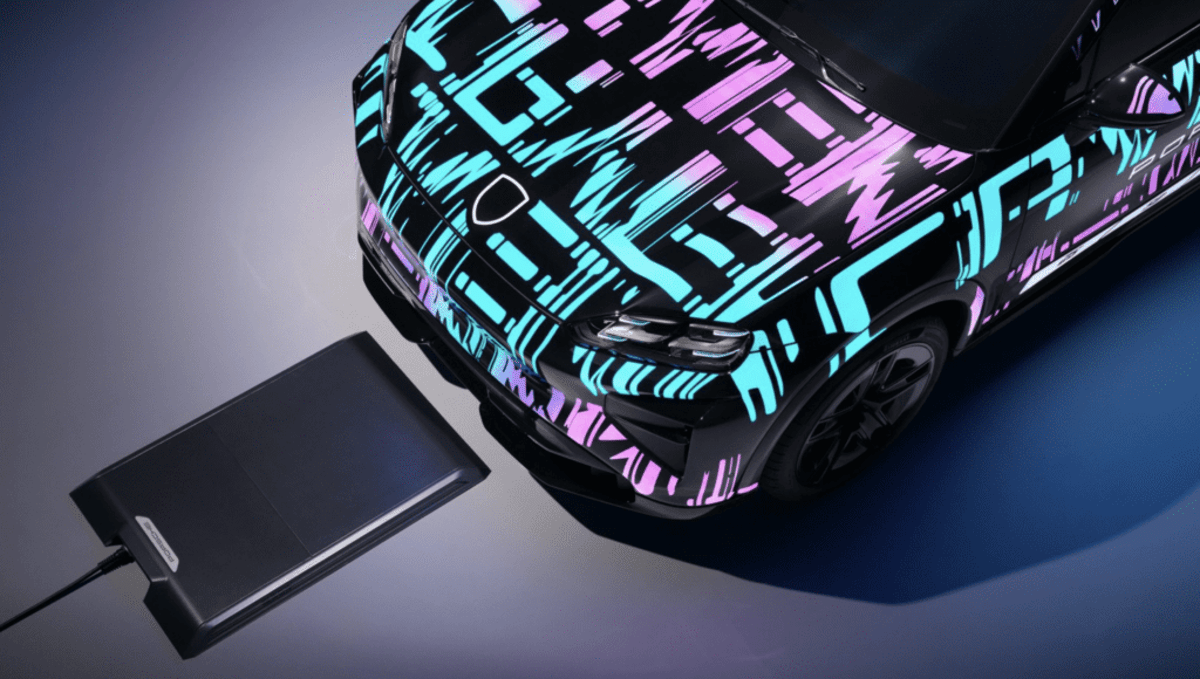
Is Wireless EV Charging (Finally) About to Take Off?
•February 25, 2026
0
Why It Matters
Broad adoption would reshape charging infrastructure, enabling seamless energy delivery for autonomous fleets and reducing reliance on traditional plug‑in stations, thereby accelerating EV adoption.
Key Takeaways
- •Europe, China pilot 11 kW inductive chargers.
- •SAE, IEC standards target 2027 interoperability.
- •Market projected $10 bn by 2035.
- •Efficiency ~85% versus wired charging.
- •Installation costs remain 2‑3× traditional pads.
Pulse Analysis
The latest wave of wireless EV charging initiatives reflects a convergence of technology maturity and market demand. Inductive pads embedded in parking surfaces now deliver up to 11 kW, enough for a full charge during a typical workday. Early pilots in Scandinavia, Germany, and Shanghai have demonstrated reliable power transfer and user‑friendly interfaces, prompting OEMs such as Volkswagen and BYD to announce production‑ready models equipped with built‑in receivers. This momentum is reinforced by collaborative standards bodies; the SAE J2954 and IEC 61851‑23 frameworks are slated for final approval in 2027, establishing safety thresholds, communication protocols, and interoperability guidelines that reduce fragmentation across regions.
Standardization is unlocking investment at scale. Infrastructure providers are leveraging the unified specifications to design modular pad systems that can be retrofitted into existing parking garages and highway rest areas. Capital commitments from utilities and private investors now exceed $1 billion, with a focus on high‑traffic urban zones where autonomous ride‑hailing fleets can benefit most. The projected market size—over $10 billion by 2035—accounts for both hardware sales and recurring service revenues, positioning wireless charging as a complementary revenue stream to traditional plug‑in networks.
Despite the optimism, challenges persist. Inductive charging typically operates at 85 % efficiency, translating into higher electricity consumption per mile compared with conductive chargers. Installation costs remain two to three times higher than conventional stations, raising questions about return on investment for low‑density locations. However, as battery capacities grow and autonomous vehicles reduce idle time, the value proposition of frictionless, automated charging strengthens. Continued cost reductions through mass production, coupled with policy incentives for zero‑emission mobility, could tip the balance, making wireless charging a cornerstone of the next generation of electric transportation.
Is wireless EV charging (finally) about to take off?
0
Comments
Want to join the conversation?
Loading comments...