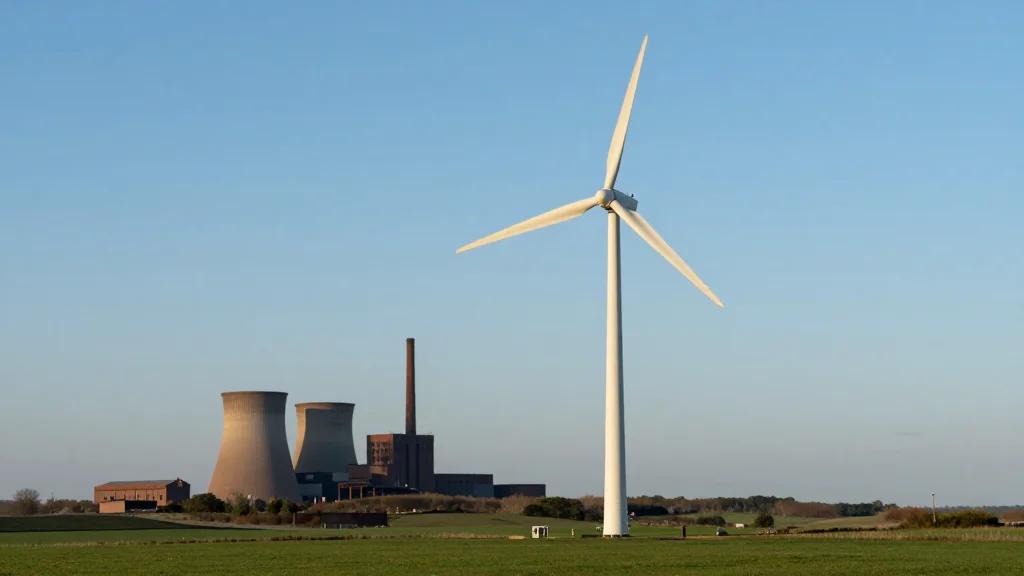
'It Has Done Its Job': Government to Scrap UK Carbon Tax on Electricity
Why It Matters
Eliminating the levy could reduce electricity prices and reshape incentives for further emissions reductions, while testing the government’s ability to sustain clean‑energy investment without a carbon price on power.
Key Takeaways
- •UK carbon levy ends April 2028 after meeting emissions targets
- •Policy shift follows decommissioning of remaining coal plants by 2024
- •Removal may lower electricity costs for consumers and industry
- •Critics warn it could stall further decarbonisation incentives
- •Government will replace levy with alternative renewable support schemes
Pulse Analysis
The carbon tax introduced in 2013 was a cornerstone of Britain’s strategy to curb emissions from the power sector. By levying a charge on carbon‑intensive electricity, the policy accelerated the retirement of coal plants and spurred investment in gas, nuclear, and renewables. Over the past decade, the UK’s electricity mix has shifted dramatically, with coal’s share falling from roughly 40% in 2015 to under 2% today, a transition that helped the nation meet its 2030 net‑zero milestones.
With the final coal unit slated to close in late 2024, policymakers argue the levy has outlived its primary function. Removing the tax from April 2028 is presented as a way to lower generation costs, potentially translating into cheaper bills for households and businesses. However, the decision also raises concerns among environmental groups who fear the loss of a price signal could dampen momentum for deeper decarbonisation, especially as the grid integrates more intermittent renewables that still require firm capacity and grid upgrades.
To offset the gap left by the carbon levy, the government has signalled a suite of alternative measures, including expanded Contracts for Difference (CfD) funding, enhanced renewable obligation certificates, and targeted subsidies for emerging technologies such as green hydrogen and battery storage. These tools aim to preserve the investment pipeline while avoiding the direct cost burden on electricity producers. The success of this transition will hinge on the adequacy of funding, regulatory certainty, and the ability to balance affordability with the UK’s broader climate commitments.
'It has done its job': Government to scrap UK carbon tax on electricity
Comments
Want to join the conversation?
Loading comments...