“It’s Enormous:” AGL Sees 7-Fold Leap in AI Data Centre Demand, Says New Big Batteries Will Boost Coal Returns
Why It Matters
The forecast signals a massive new load on the National Electricity Market, forcing generators to balance coal, batteries and renewables while shaping Australia’s climate‑policy trajectory. AGL’s strategy shows how legacy utilities can leverage firming assets to protect margins amid rapid digital‑infrastructure growth.
Key Takeaways
- •AGL projects AI data‑centre demand could reach 34 TWh in NEM
- •Two 500 MW batteries aim to lift Bayswater’s VWAP by 10%
- •AGL’s coal‑heavy fleet still supplies over 80% of its generation
- •AGL signed off‑take deals for 260 MW Palmer wind and 108 MW Waddi
- •Fortescue invests $1 billion in green grid for data‑centre demand
Pulse Analysis
The explosion of artificial‑intelligence workloads is reshaping electricity consumption patterns worldwide, and Australia is no exception. AGL’s latest investor briefing highlighted that today’s data‑centre load of roughly five terawatt‑hours could balloon to 34 TWh if all projects under development materialise. Such a leap would strain the National Electricity Market’s existing infrastructure, prompting regulators and generators to accelerate grid upgrades, demand‑side management, and renewable integration to avoid price spikes and reliability risks.
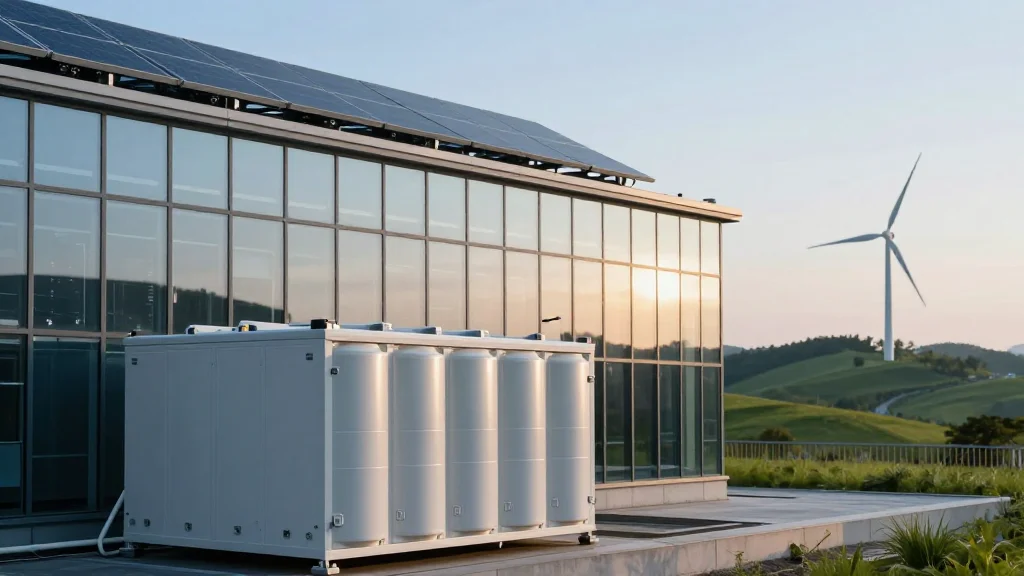
AGL is positioning its coal‑centric assets to capture higher margins amid this surge. By curbing output during midday solar peaks, Bayswater already achieved a $84/MWh volume‑weighted average price, above the market’s $71/MWh benchmark. The commissioning of two 500 MW battery stations—Liddell (1,000 MWh) and Tomago (2,000 MWh)—is expected to push that average to $93/MWh, a roughly 10% uplift. These firming resources not only smooth supply‑demand mismatches but also provide a hedge against volatile wholesale prices, reinforcing AGL’s cash conversion and earnings quality.
Nevertheless, AGL’s long‑term resilience hinges on expanding its renewable footprint. While the company remains over‑reliant on coal, recent off‑take agreements for the 260 MW Palmer wind farm and the 108 MW Waddi project signal a tentative shift toward greener generation. Coupled with interest in a near‑gigawatt wind‑and‑battery venture in Western Australia, AGL aims to replace high‑cost thermal assets with lower‑capital, lower‑risk firming solutions. The pace of these investments will determine whether Australia’s power mix can meet AI‑driven demand sustainably or revert to additional fossil‑fuel generation, a critical question for investors and policymakers alike.
“It’s enormous:” AGL sees 7-fold leap in AI data centre demand, says new big batteries will boost coal returns
Comments
Want to join the conversation?
Loading comments...