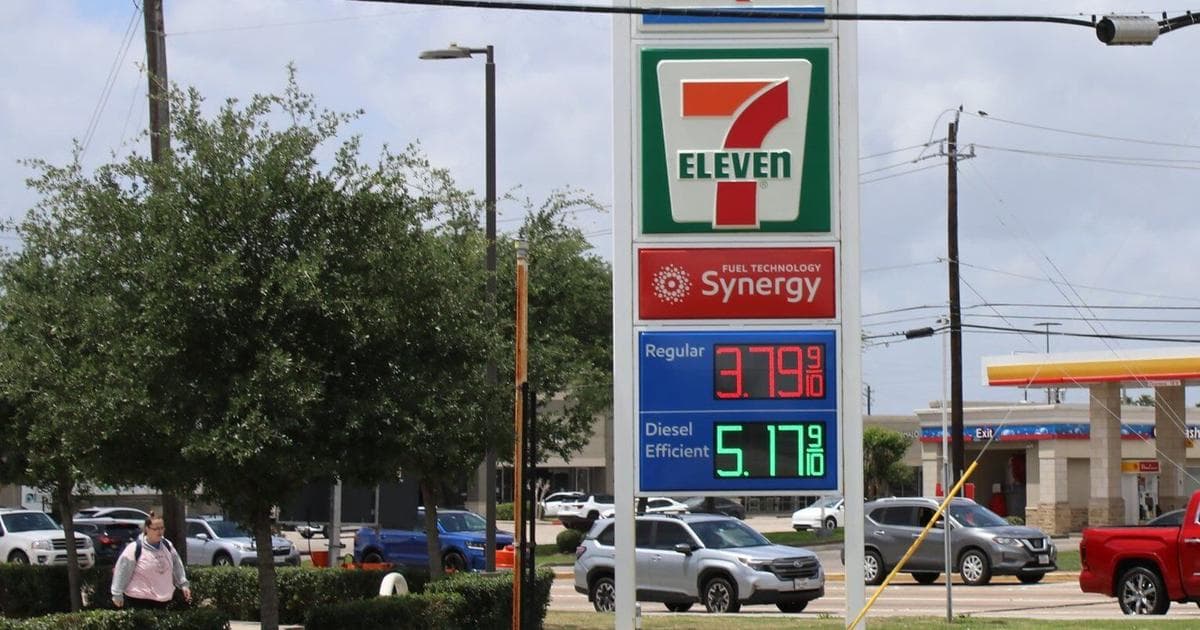
'It's Getting Scary': Rising Gas Prices Bring Frustration to Houston Residents
Companies Mentioned
Why It Matters
Higher pump prices erode disposable income for Texas consumers while oil producers reap record gains, creating a socioeconomic divide that could reshape voter sentiment and influence upcoming elections. Understanding this dynamic is crucial for policymakers and investors monitoring energy market volatility and its ripple effects on the broader U.S. economy.
Key Takeaways
- •Houston gas price up 4.4¢ per gallon in a week
- •Texas households spend ~20% of budget on transportation
- •$1 gas hike adds $1,183 yearly to average Houston family
- •Oil export surge boosts revenues but not pump prices
- •Rising costs spark political scrutiny ahead of 2026 elections
Pulse Analysis
The escalation of hostilities in the Middle East has effectively choked the Strait of Hormuz, one of the world’s most vital oil arteries. With tanker traffic rerouted and several supertankers idling offshore, global crude supplies have tightened, prompting a sharp uptick in spot prices. The United States, leveraging its Gulf Coast refining capacity, has responded by accelerating exports, a move that bolsters the balance sheets of North American producers but does little to alleviate downstream price pressures. Analysts warn that as long as the geopolitical disruption persists, the price gap between wholesale oil and retail gasoline is likely to stay widened.
In Houston, where commuters routinely log long distances, the ripple effect is palpable. A modest 4.4‑cent per‑gallon rise translates into an extra $1,183 in annual out‑of‑pocket costs for a typical household, according to local council data. For families whose transportation expenses already consume about one‑fifth of their income, the added burden pushes many to reconsider vehicle choices, with a noticeable uptick in inquiries about electric‑vehicle financing and public‑transit alternatives. The cumulative impact also squeezes discretionary spending, potentially dampening demand in sectors ranging from dining to retail.
The timing of these price shocks dovetails with a contentious 2026 midterm cycle, where Texas’s urban electorate could become a decisive swing factor. Lawmakers on both sides of the aisle are under pressure to propose relief measures, from temporary fuel tax rebates to accelerated EV incentive programs. Meanwhile, investors watch the energy sector closely, balancing the upside of higher export revenues against the downside of consumer‑driven demand elasticity. How policymakers address the dual challenge of sustaining oil‑related growth while protecting household budgets will shape the state’s economic narrative for years to come.
'It's getting scary': Rising gas prices bring frustration to Houston residents
Comments
Want to join the conversation?
Loading comments...