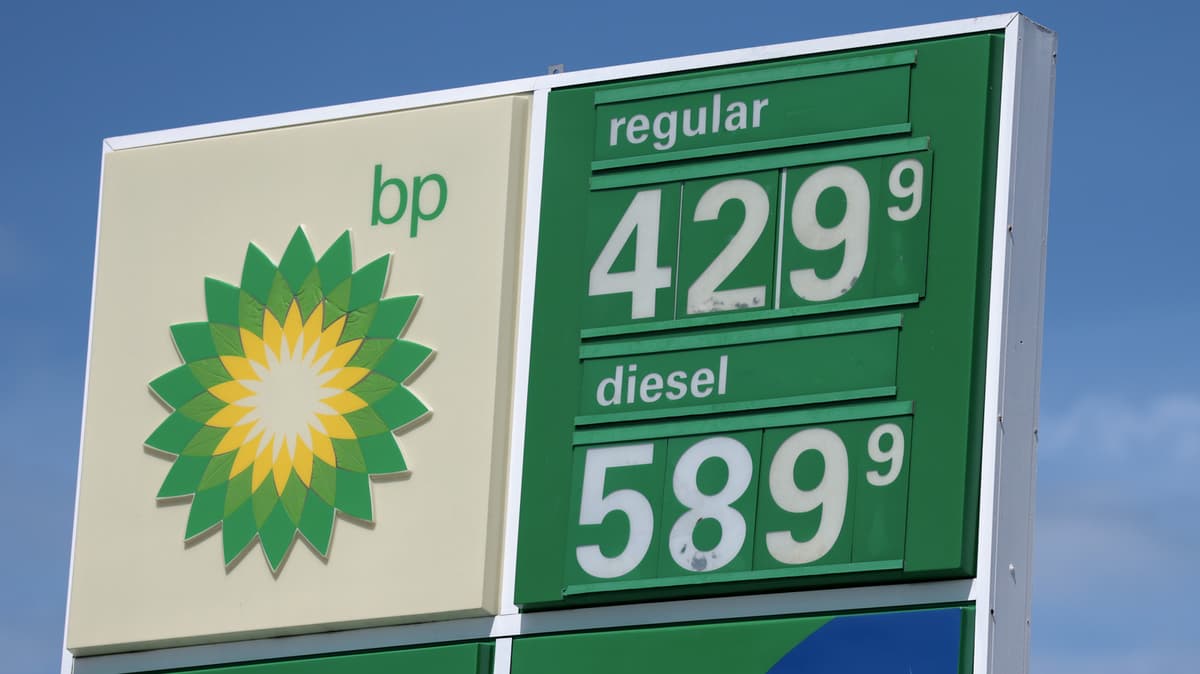
It's Not Your Imagination, Diesel Prices Are Going Up Faster Than Gas Or Oil

Why It Matters
Rising diesel costs inflate freight rates, squeezing margins for logistics firms and pushing up prices for goods across the supply chain, a key driver of broader inflationary pressure.
Key Takeaways
- •Diesel avg $5.55/gal, $1.45 above gasoline (April 2026)
- •Diesel price rose ~$2.05 since start of 2026, double gasoline increase
- •EPA ULSD rule 2006 added refining costs, pushing diesel higher
- •Strait of Hormuz closures cut 20% of global oil supply, tightening diesel
- •Higher diesel costs pressure freight rates, consumer prices across economy
Pulse Analysis
The latest Energy Information Administration data shows diesel at $5.55 a gallon, a stark contrast to gasoline’s $4.10. This $1.45 premium reflects a rapid price acceleration over just four months, driven by a confluence of supply bottlenecks and geopolitical uncertainty. When the Strait of Hormuz—responsible for roughly one‑fifth of global oil flow—oscillates between open and closed, the market feels an immediate squeeze, especially for diesel, which already operates with tighter refining margins than gasoline.
Beyond geopolitics, regulatory shifts have reshaped diesel economics. The EPA’s 2006 mandate for ultra‑low‑sulfur diesel forced refiners to adopt more complex, capital‑intensive processes, effectively embedding higher production costs into the fuel’s price. While the rule achieved cleaner emissions, the added expense has been passed to end users, widening the diesel‑gasoline spread. Over the past two decades, each incremental tightening of sulfur limits has nudged diesel prices upward, creating a structural cost base that is less responsive to short‑term market fluctuations.
For businesses, the ripple effects are immediate. Higher diesel costs translate into steeper freight charges for trucking, shipping, and agricultural operations, eroding profit margins and prompting price adjustments downstream. Consumers may notice these pressures in the form of higher grocery bills and increased shipping fees for online purchases. Unless supply diversifies—through alternative fuels, expanded refinery capacity, or diplomatic stability in key chokepoints—diesel’s price trajectory is set to remain a persistent inflationary engine for the U.S. economy.
It's Not Your Imagination, Diesel Prices Are Going Up Faster Than Gas Or Oil
Comments
Want to join the conversation?
Loading comments...