Why It Matters
A flattening demand curve threatens OPEC’s pricing influence and forces oil majors to rethink capital allocation toward diversified, low‑carbon assets, reshaping the energy investment landscape.
Key Takeaways
- •UAE exits OPEC, signaling shift in long‑term oil strategy
- •Colombia summit launches work streams to embed climate in trade finance
- •Ember report shows structural decline in fossil‑fuel power across OECD
- •IEA projects oil demand flat for next decade under current policies
- •Flat demand could erode OPEC’s price power and spur asset re‑evaluation
Pulse Analysis
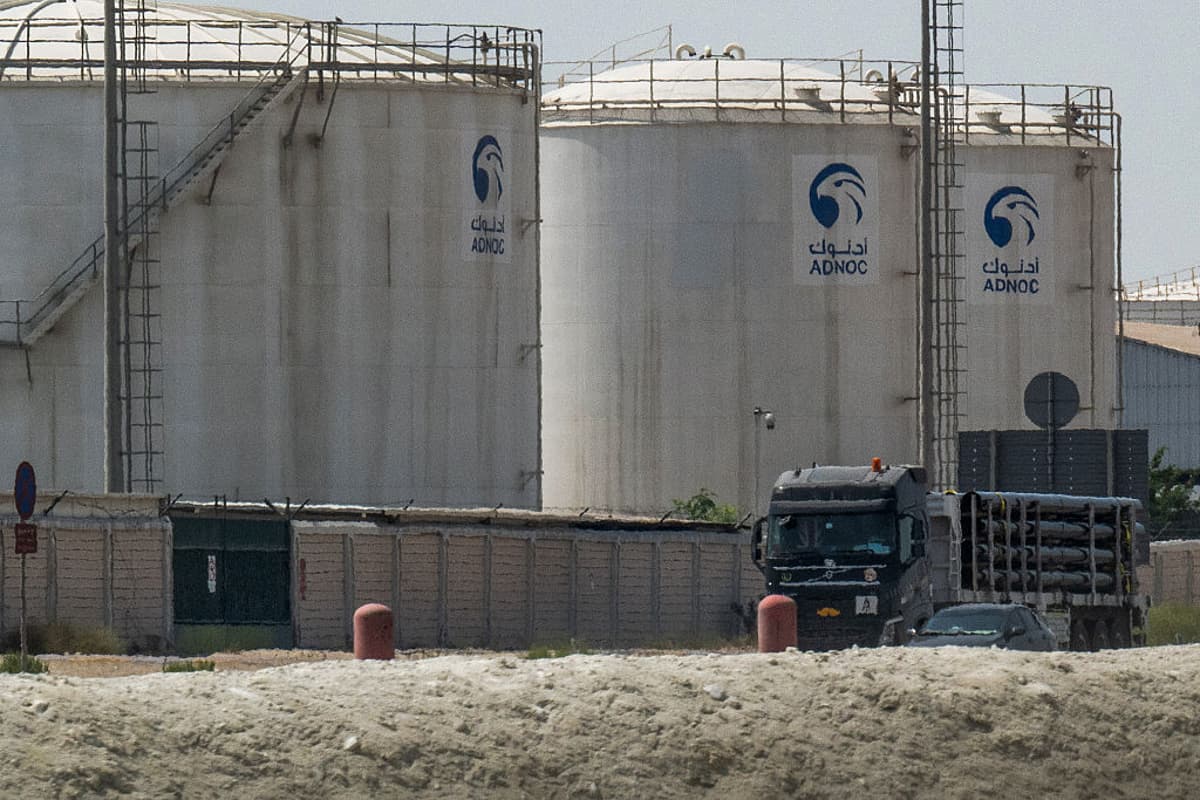
The UAE’s decision to leave OPEC marks a watershed moment for the oil sector, reflecting a broader acknowledgment that unfettered demand growth is no longer realistic. By decoupling from the cartel’s production‑cut discipline, the Emirates signal a willingness to invest in domestic energy projects and low‑carbon solutions, positioning themselves for a market where price‑setting power may wane. This move, coupled with the Colombia summit’s push to weave climate objectives into trade and financial policies, illustrates how geopolitics and sustainability are converging in energy strategy.
Data from Ember and the International Energy Agency reinforce the narrative of a turning tide. Ember’s analysis documents a sustained decline in fossil‑fuel electricity generation among OECD nations, while the IEA’s scenario modeling shows oil demand flattening over the next ten years under existing policy trajectories. For investors, these trends translate into heightened price volatility and a reassessment of the profitability of new upstream projects. The traditional OPEC model—balancing output to support prices—faces erosion as demand constraints limit the cartel’s leverage.
Industry players are now navigating a more complex capital‑allocation landscape. Oil majors are scrutinizing asset portfolios, prioritizing projects with lower carbon footprints, and exploring partnerships in renewable and hydrogen markets. The UAE’s reaffirmation of continued investment across the energy value chain, including low‑carbon solutions, exemplifies this strategic shift. As demand plateaus, the sector’s resilience will hinge on agility, diversification, and alignment with evolving regulatory and investor expectations.
It’s Sinking In That Fossil Fuel Demand Won’t Grow Forever
Comments
Want to join the conversation?
Loading comments...