Japan Warns Okinawa LNG Plant Could Harm Coral Reefs, Raises Risk of Future Shutdown
Why It Matters
The guidance ties a new gas‑turbine project to Japan’s net‑zero roadmap, signaling that utilities may face operational limits if they cannot demonstrate emissions cuts. It highlights the growing regulatory pressure to protect fragile marine ecosystems while advancing the country’s energy transition.
Key Takeaways
- •130 MW LNG plant slated for 2032 operation in Okinawa
- •Potential thermal discharge threatens coral bleaching and seagrass health
- •Ministry demands emissions cuts tied to retiring older fossil units
- •Utility urged to prioritize renewables, ammonia, hydrogen, and CCUS
- •Failure to align with 2035‑2050 climate goals could force shutdown
Pulse Analysis
Japan’s environment ministry has taken an unusually granular stance on Okinawa Electric’s new LNG‑fired plant, submitting a detailed opinion to METE that goes beyond standard mitigation. By flagging the plant’s proximity to coral and seagrass beds, the ministry is emphasizing that environmental review now incorporates ecosystem resilience as a core criterion, not just air‑quality metrics. This shift reflects a broader trend in Japanese policy where ministries coordinate more closely to ensure infrastructure projects align with national climate commitments.
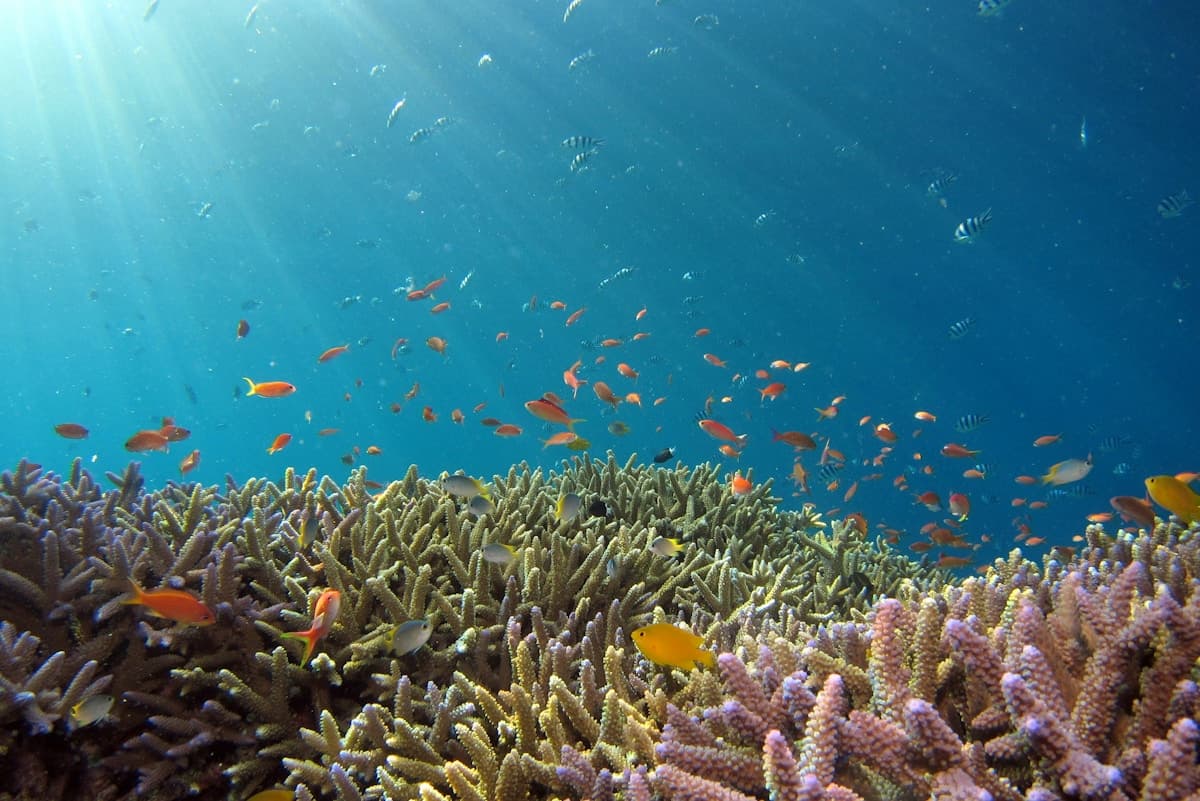
The marine‑impact concerns are significant. Warmer discharge water from the gas turbine could raise local sea temperatures, triggering coral bleaching events that jeopardize biodiversity and tourism revenue in Okinawa. Seagrass beds, essential for fish nurseries, also risk degradation. Simultaneously, the ministry warned that without a clear plan to retire aging heavy‑oil units, the LNG plant could become an “additional” source of CO₂, undermining Japan’s pledge to cut electricity‑related emissions 30% by FY2030 and reach net‑zero by 2050. The call for rigorous assessments and resident consultation underscores the growing weight of community and ecological considerations in energy approvals.
The episode illustrates Japan’s delicate balancing act between energy security and decarbonisation. While LNG is promoted as a transitional fuel, the ministry’s push for future conversion to ammonia, hydrogen, and CCUS signals an expectation that new gas assets must be adaptable to cleaner fuels. Okinawa Electric’s response—prioritising renewables, improving plant efficiency, and setting firm emissions targets—will set a precedent for other utilities navigating Japan’s tightened climate roadmap. Failure to meet these expectations could trigger curtailment or shutdown, reinforcing the message that climate alignment is now a prerequisite for project viability.
Japan warns Okinawa LNG plant could harm coral reefs, raises risk of future shutdown
Comments
Want to join the conversation?
Loading comments...