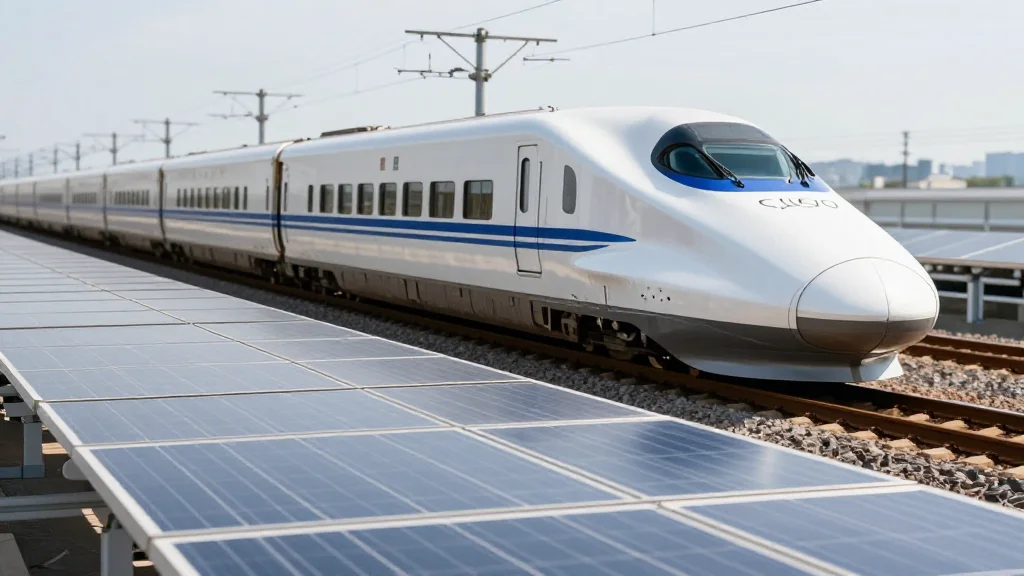
Japanese Rail Operator to Procure 98 MW of New Solar via Corporate PPA
Why It Matters
The deal accelerates Tokyu’s transition to renewable energy, reducing reliance on fossil‑fuel imports and supporting Japan’s national decarbonization goals. It also signals growing confidence in corporate PPAs as a mainstream procurement model for heavy‑load sectors.
Key Takeaways
- •Tokyu Railway will source 30% of traction power from new solar.
- •98 MW DC solar capacity will be delivered via corporate PPA.
- •Supply starts FY2026, runs 25 years, covering multiple Tokyo lines.
- •Collaboration includes Tohoku Electric, Tokyu Power Supply, and future battery storage.
- •Japan’s corporate PPA market exceeds 2.5 GW, driven by decarbonization.
Pulse Analysis
Tokyu Corp.’s new corporate power purchase agreement marks a watershed moment for Japan’s rail sector. By locking in roughly 98 MW of DC‑rated solar capacity, the company will meet about 30 percent of Tokyu Railway’s traction electricity needs—equivalent to 110 million kilowatt‑hours per year—starting in fiscal 2026. The long‑term, 25‑year contract is being administered jointly by Tohoku Electric and Tokyu Power Supply, and the solar farms will be built by a series of special‑purpose companies at sites nationwide. This off‑site procurement complements Tokyu’s existing 100 percent renewable retail supply, deepening its green energy footprint.
The Tokyu deal reflects the rapid maturation of Japan’s corporate PPA market, which has grown to more than 2.5 GW of disclosed capacity by 2025. The shift away from feed‑in tariffs toward market‑based mechanisms such as feed‑in premiums has made long‑term contracts financially attractive for both developers and large energy users. High fossil‑fuel import costs and tightening emissions regulations are compelling corporations across telecom, retail and heavy industry to secure stable, low‑carbon power. As a result, PPAs have moved from niche arrangements to the dominant procurement structure for new renewable projects.
For the rail industry, Tokyu’s initiative sets a benchmark that other operators are likely to follow, especially as battery storage and emerging technologies like perovskite panels become commercially viable. The partnership’s plan to expand into off‑site solar and storage could provide grid‑balancing services, lower operational costs, and improve resilience against power price volatility. Investors and policymakers should watch this trend, as it demonstrates how transportation assets can become active participants in the renewable energy value chain, accelerating Japan’s 2050 net‑zero ambition while opening new revenue streams for energy developers.
Japanese rail operator to procure 98 MW of new solar via corporate PPA
Comments
Want to join the conversation?
Loading comments...