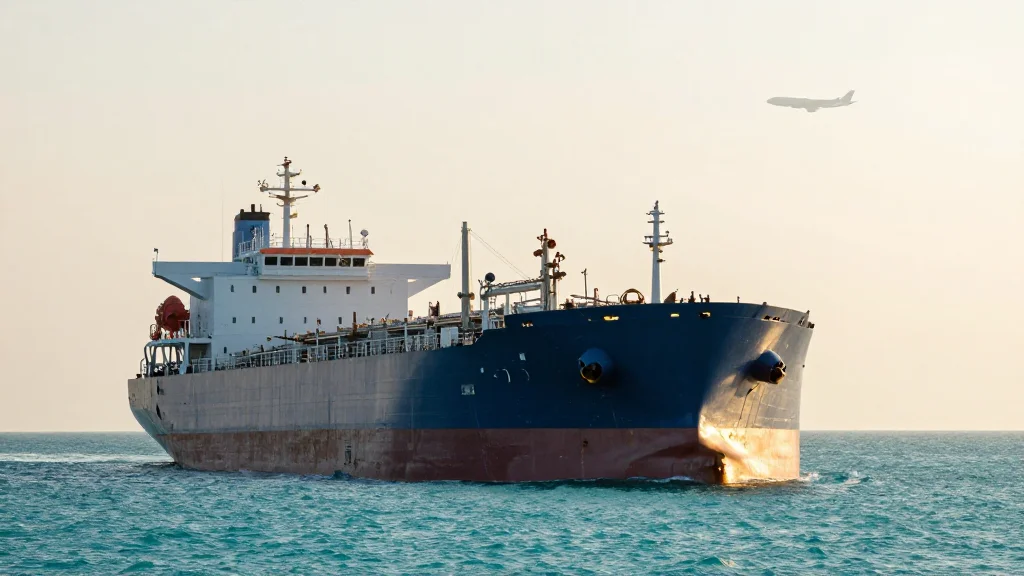
Jet Fuel Supplies Are Sharply Affected by the Near-Closure of the Strait of Hormuz
Companies Mentioned
Why It Matters
The spike in jet fuel costs threatens airline profitability and could dampen travel demand, while supply constraints risk broader economic impacts in Europe and Asia.
Key Takeaways
- •Jet fuel prices have doubled since Hormuz disruption
- •Europe faces potential systemic jet fuel shortage
- •Asian jet fuel supplies tighten as crude flow stalls
- •U.S. airlines incur $2 billion extra quarterly fuel costs
- •Lack of hedging leaves U.S. carriers exposed to price spikes
Pulse Analysis
The strategic chokepoint of the Strait of Hormuz has long been a barometer for global energy markets, but its near‑closure is now reverberating through the aviation sector. Jet fuel, a high‑value derivative of crude oil, suffers a unique supply squeeze: Gulf refineries that specialize in jet fuel cannot ship product outward, while Asian refineries lose access to the crude needed to produce it. Trade‑intelligence firms label this a "double whammy," amplifying price pressure far beyond the 20% flow reduction typically associated with the strait.
Europe’s aviation industry is bracing for a systemic shortage, as the Airport Council International warned European regulators of imminent supply gaps. In Asia, airlines are already grappling with constrained inventories, prompting higher fuel surcharges and ticket prices. The United States, despite being the world’s largest oil producer, is not immune; U.S. carriers that forgo fuel hedging now face spot‑market rates that have surged, costing Delta an estimated $2 billion in a single quarter. The lack of hedging leaves airlines vulnerable to further volatility, potentially eroding margins and prompting a reevaluation of risk‑management strategies.
Looking ahead, even a full reopening of the strait will not instantly normalize jet fuel markets. Tanker rerouting adds weeks to delivery cycles, and restarting damaged refineries takes months. Consequently, elevated jet fuel prices are likely to persist through the peak summer travel season, pressuring airlines to pass costs onto consumers or cut capacity. Investors and industry analysts should monitor shipping lanes, refinery restoration progress, and hedging activity as key indicators of future price trajectories and airline earnings resilience.
Jet fuel supplies are sharply affected by the near-closure of the Strait of Hormuz
Comments
Want to join the conversation?
Loading comments...