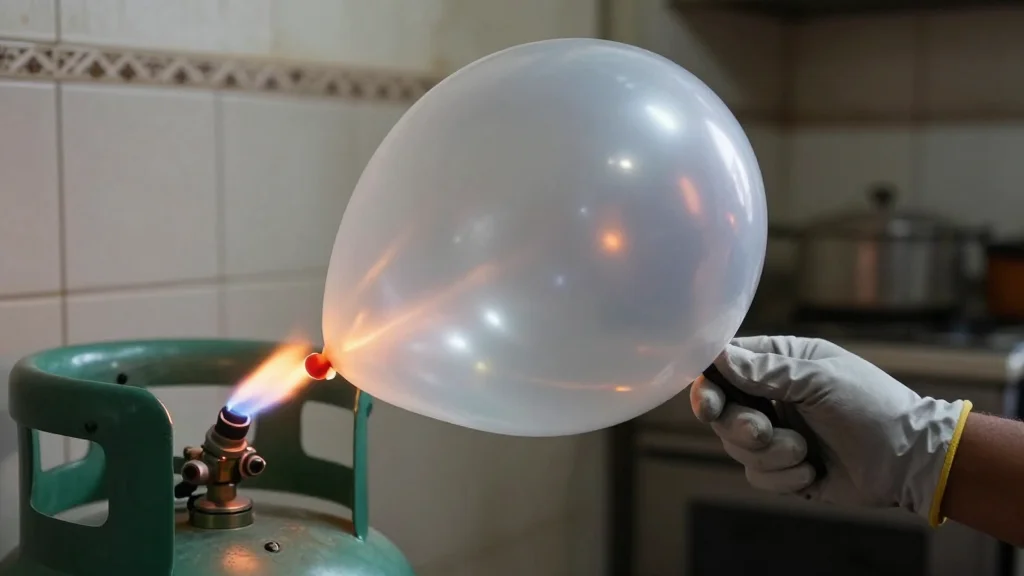
Karachi Residents Turn to Plastic Balloons for LPG as Gas Supply Crises Deepen

Why It Matters
The balloon‑LPG workaround highlights the acute energy‑access gap facing millions in Pakistan, where unreliable supply forces households into dangerous improvisations. Beyond the immediate safety threat, the crisis signals systemic weaknesses in the country’s energy infrastructure, exacerbated by fiscal austerity tied to IMF conditions and global oil‑market turbulence. If unaddressed, the practice could lead to catastrophic fires, overwhelming emergency services and deepening public distrust in state utilities. Moreover, the situation underscores how geopolitical disruptions—such as the standoff over the Strait of Hormuz—can cascade into local energy shortages, linking global diplomatic negotiations directly to everyday survival in Karachi’s neighborhoods. Policymakers must therefore coordinate domestic energy reforms with broader diplomatic strategies to stabilize imports and restore reliable distribution.
Key Takeaways
- •Karachi residents fill plastic balloons with LPG, paying Rs 1,000‑1,500 ($4‑$5) each.
- •Gas load‑shedding and low‑pressure outages have become chronic in Orangi Town.
- •Safety experts label the balloons a "mobile bomb" due to explosion risk.
- •Pakistan’s $7 billion IMF programme adds fiscal pressure on fuel imports.
- •Global oil‑route tensions in the Strait of Hormuz further strain LPG supply.
Pulse Analysis
The balloon phenomenon is a symptom of a deeper supply‑chain failure that combines domestic policy constraints with external shocks. Pakistan’s reliance on imported LPG makes it vulnerable to any disruption in global oil routes, and the ongoing Hormuz standoff has already nudged crude prices upward, tightening the fiscal space for subsidies. The IMF’s new conditions—particularly the push to phase out profit‑based incentives for Special Economic Zones—signal a broader move toward fiscal tightening that will likely curtail government support for energy subsidies, leaving consumers to shoulder higher costs.
Historically, Pakistan has managed gas shortages through rationing and temporary cylinder allocations, but the balloon workaround marks a departure toward informal, high‑risk storage solutions. This shift reflects both a loss of confidence in state utilities and a market gap that private actors have not filled. If SSGC and municipal authorities cannot quickly restore stable pressure, the informal market for makeshift storage could expand, creating a parallel energy economy that operates outside regulatory oversight.
Looking forward, the government faces a choice: invest in infrastructure upgrades and short‑term relief (such as subsidized cylinders) or continue austerity measures that risk public safety. The latter could trigger a cascade of incidents that would force a policy reversal under public pressure. Internationally, any de‑escalation in the Hormuz dispute would ease oil price volatility, indirectly easing Pakistan’s import bill and freeing fiscal space for energy subsidies. In the meantime, the balloon crisis serves as a stark reminder that energy insecurity is not just an economic issue—it is a public‑health emergency that demands coordinated action across local, national, and global arenas.
Karachi Residents Turn to Plastic Balloons for LPG as Gas Supply Crises Deepen
Comments
Want to join the conversation?
Loading comments...