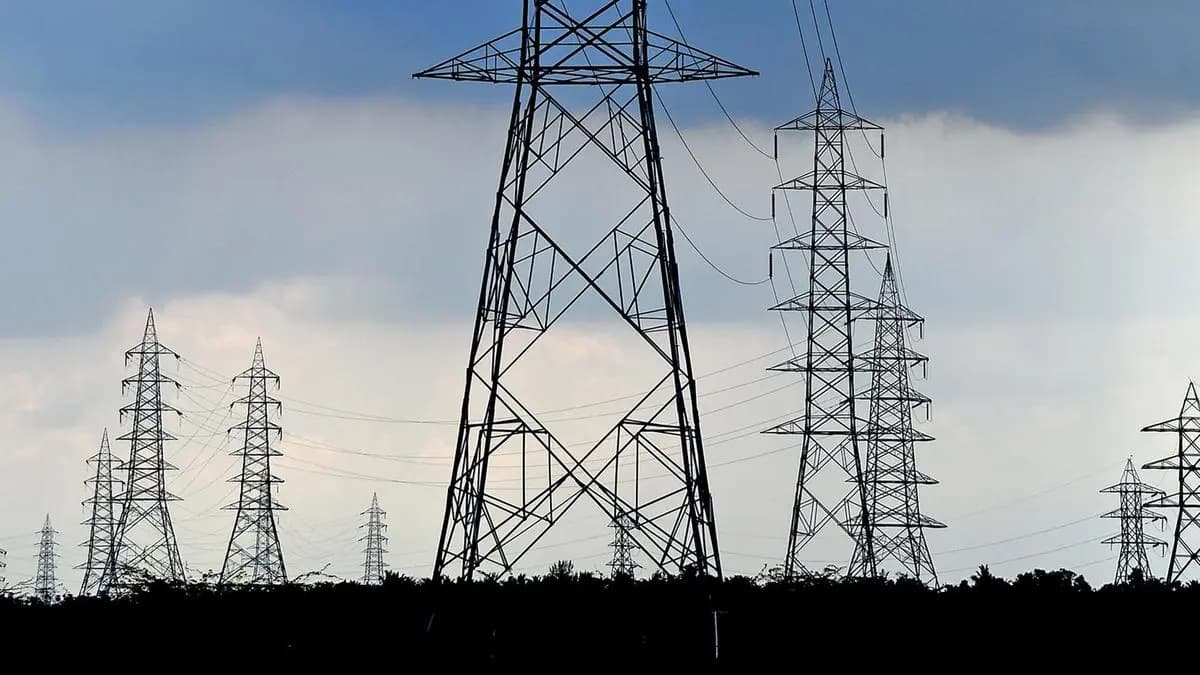
KBL Powers Kalpakkam FBR Milestone as Reactor Achieves Criticality
Why It Matters
The milestone boosts India’s energy independence by advancing breeder technology, while KBL’s involvement showcases domestic mastery of ultra‑specialised nuclear equipment, strengthening the country’s strategic manufacturing base.
Key Takeaways
- •Kalpakkam FBR achieved criticality, advancing India's three‑stage nuclear plan.
- •KBL supplied 135‑tonne primary and secondary sodium pumps operating above 500 °C.
- •Only four firms worldwide can build nuclear‑grade fast breeder reactor pumps.
- •Concrete volute pumps move 9,500 L/s seawater, no standby units required.
- •Integrated fire‑fighting system enhances safety for the new breeder reactor.
Pulse Analysis
India’s fast breeder reactor (FBR) at Kalpakkam hitting criticality marks a watershed for the country’s three‑stage nuclear roadmap, which aims to close the fuel cycle and reduce reliance on imported uranium. By achieving a self‑sustaining neutron economy, the reactor promises to generate more fissile material than it consumes, positioning India to meet growing electricity demand while supporting long‑term decarbonisation goals. The milestone also signals confidence in the nation’s ability to manage high‑temperature liquid‑metal cooling, a technology few countries have mastered.
Kirloskar Brothers Limited’s contribution underscores a shift toward indigenous high‑tech manufacturing under the Atmanirbhar Bharat initiative. The 135‑tonne primary and secondary heat‑transport pumps, built from specialised alloys to survive 500 °C sodium environments, place KBL among an elite quartet of global suppliers capable of such nuclear‑grade equipment. This capability not only reduces import dependence but also opens export avenues to emerging nuclear programs seeking reliable breeder components. Moreover, the concrete volute circulating water pumps, engineered to deliver 9,500 L/s of seawater without standby redundancy, demonstrate advanced fluid‑dynamics and seismic resilience, further cementing India’s engineering credibility.
Beyond hardware, the integrated fire‑fighting system reflects a heightened focus on safety for next‑generation reactors. By embedding robust suppression mechanisms, the Kalpakkam plant addresses one of the key risk factors associated with sodium‑cooled designs. Collectively, these innovations enhance operational reliability and could accelerate the rollout of additional FBR units, attracting investment and fostering a domestic supply chain that supports both civilian and strategic energy objectives.
KBL powers Kalpakkam FBR milestone as reactor achieves criticality
Comments
Want to join the conversation?
Loading comments...