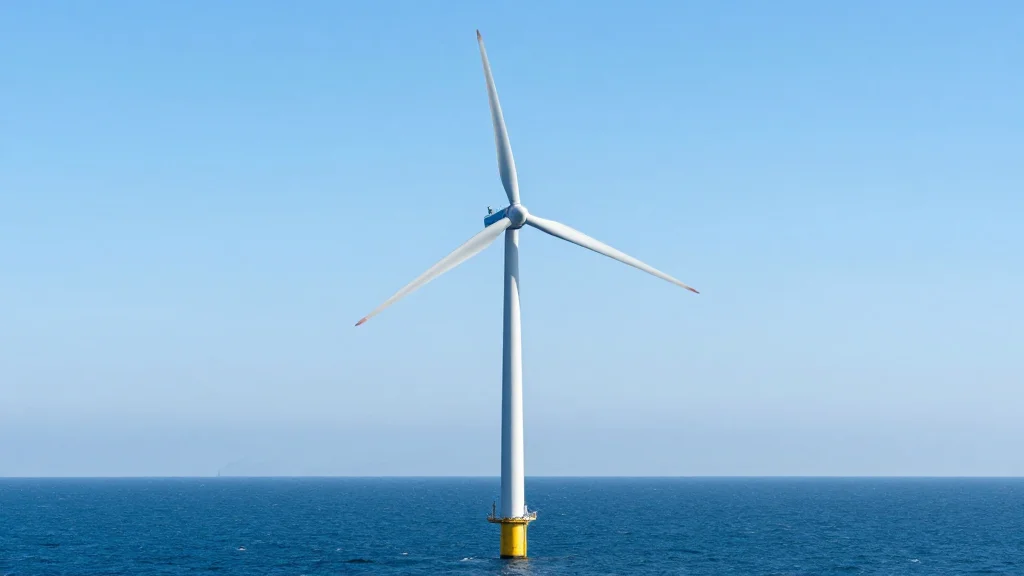
Korea 'Collision' Could Stretch Siemens Gamesa, Analyst Warns
Companies Mentioned
Why It Matters
If Siemens Gamesa cannot meet the accelerated delivery schedule, it could lose market share in a fast‑growing offshore sector and trigger penalties that affect project financing across Asia and Europe.
Key Takeaways
- •South Korea's offshore auction oversubscribed, targeting 8 GW capacity
- •Siemens Gamesa faces simultaneous commitments in Korea, Taiwan, and Europe
- •Analyst warns supply-chain bottlenecks could delay turbine deliveries
- •Partnerships with Korean firms may strain Siemens Gamesa's engineering resources
- •Project financing depends on meeting delivery timelines to avoid penalties
Pulse Analysis
South Korea’s offshore wind auction, launched in May 2026, quickly became a benchmark for the region’s renewable ambitions. With more than a dozen developers vying for roughly 8 GW of capacity, the government’s aggressive timeline has compelled many to partner with established turbine manufacturers such as Siemens Gamesa. These collaborations promise technology transfer and local job creation, but they also compress the delivery window for a company already juggling projects in Taiwan’s Greater Changhua 1 and 2(a) farms and multiple European sites. The convergence of high‑profile contracts underscores the escalating demand for large‑scale turbines and the pressure on manufacturers to scale production without compromising quality.
For Siemens Gamesa, the Korean "collision" of projects represents both an opportunity and a logistical nightmare. The firm’s current order book is heavily weighted toward 12‑MW offshore platforms, which require complex nacelle assemblies and specialized supply‑chain coordination. Recent investments in a Taiwanese nacelle‑assembly facility aim to diversify production capacity, yet analysts note that ramp‑up timelines may not align with Korea’s tight commissioning deadlines. Potential bottlenecks in steel procurement, blade manufacturing, and logistics could cascade into delayed turbine installations, triggering liquidated‑damage clauses and eroding client confidence.
The broader industry implication is clear: as governments worldwide accelerate offshore wind targets, turbine OEMs must balance rapid scaling with resilient supply chains. Siemens Gamesa’s experience in Korea could serve as a case study for risk mitigation, prompting competitors to invest in modular production hubs and strategic inventory buffers. Stakeholders—from project financiers to policy makers—will be watching closely to see whether the company can deliver on its commitments, a factor that will shape market dynamics and investment flows in the offshore wind sector for years to come.
Korea 'collision' could stretch Siemens Gamesa, analyst warns
Comments
Want to join the conversation?
Loading comments...