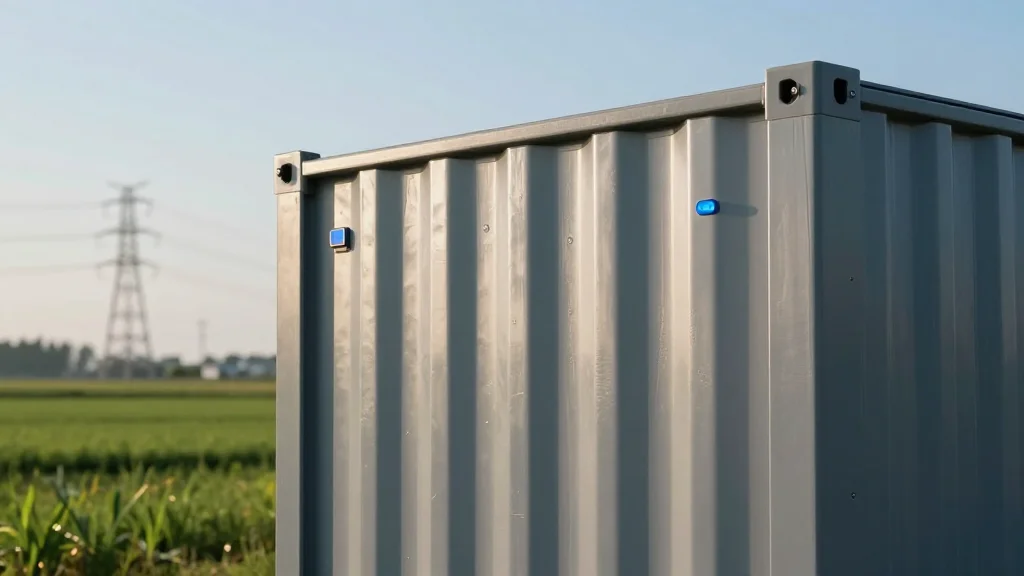
Landholder-Led 4-Hour Big Battery Gets Federal Environmental All-Clear in Just over Four Weeks
Why It Matters
The swift approval highlights a more efficient federal pathway for utility‑scale storage, accelerating Australia’s renewable integration. It also validates a landowner‑led development model that can reduce opposition and speed project delivery.
Key Takeaways
- •500 MW, four‑hour battery cleared in just over four weeks
- •Built on existing cleared farmland, avoiding creeks and MNES
- •Community feedback moved footprint, reducing traffic and visual impact
- •Landowner‑developer partnership speeds compliance and approval
- •Similar landowner‑led wind‑battery scheme gains major project status in Tasmania
Pulse Analysis
Australia’s power grid is increasingly dependent on large‑scale storage to balance intermittent solar and wind generation. A 500 MW, 2,000 MWh battery like Murchs Corner can deliver four hours of full‑capacity output, enough to smooth peak demand, provide ancillary services, and defer costly transmission upgrades. As the nation pushes toward a 2030 renewable target, such utility‑scale batteries are becoming critical assets for reliability and market participation, attracting both private capital and policy support.
The environmental clearance was achieved through the Environment Protection and Biodiversity Conservation Act (EPBC) process, which traditionally can take months or years. By entering the queue in late March and receiving a “not a controlled action” determination within weeks, the project demonstrates how early stakeholder engagement and careful site selection—using already‑cleared farmland and avoiding nationally significant ecosystems—can streamline approvals. The partnership between the Jamieson landowners and Alternate Path leverages local knowledge and compliance expertise, reducing bureaucratic friction and showcasing a replicable template for future projects.
Beyond the immediate benefits, the rapid approval signals to investors and developers that Australia’s regulatory environment is maturing to accommodate the urgent need for storage. The landowner‑led model, already being mirrored in Tasmania with a 350 MW wind farm and 600 MW battery, offers a pathway to align community interests with commercial objectives, potentially lowering opposition and expediting construction. As more states adopt similar frameworks, the cumulative effect could accelerate the nation’s transition to a low‑carbon grid, enhance energy security, and create new revenue streams for rural landholders.
Landholder-led 4-hour big battery gets federal environmental all-clear in just over four weeks
Comments
Want to join the conversation?
Loading comments...