Libya Restarts Gasoline Production at Sarir
•March 6, 2026
0
Why It Matters
Resuming gasoline output reduces Libya’s reliance on imports and improves energy security, while the broader field restarts signal a revival of the nation’s oil infrastructure and attract potential investment.
Key Takeaways
- •Sarir refinery resumes gasoline output after three‑year shutdown
- •Overhaul restored crude distillation unit, enabling 10,000 bpd gasoline
- •New L‑028HR well adds 2,200 bpd crude, 350k cf gas
- •Mabruk field restarts, targeting 40,000 bpd by March end
- •Domestic fuel supply stability improves Libya’s energy security
Pulse Analysis
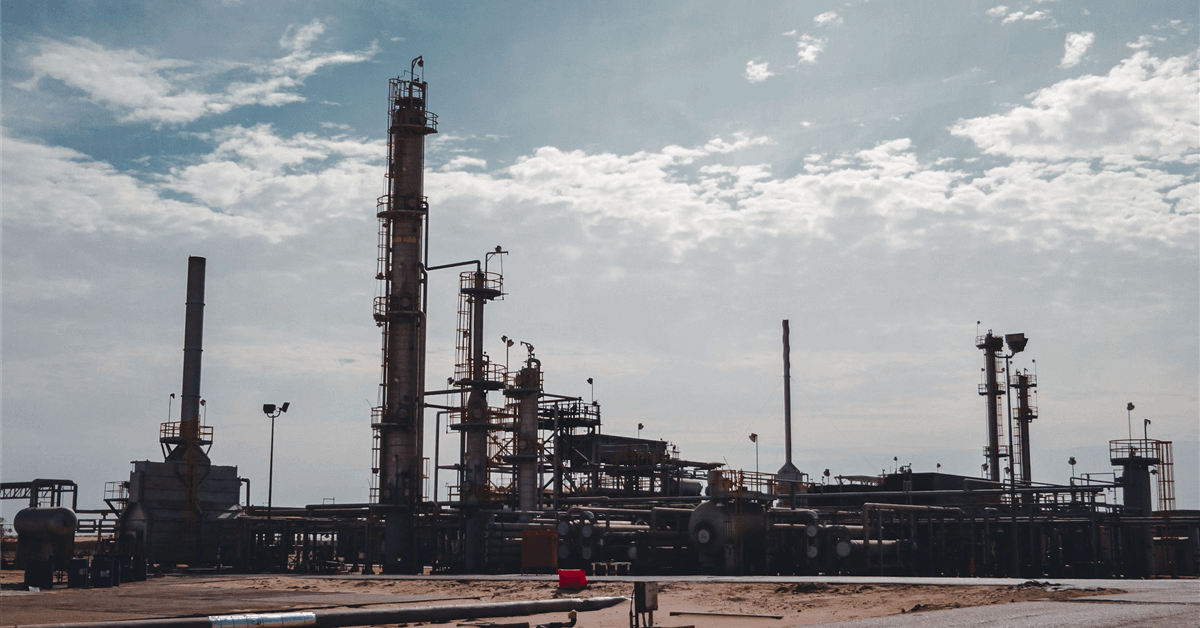
Libya’s oil and gas landscape has been marked by years of conflict, sanctions and infrastructure decay. The National Oil Corp’s announcement that the Sarir refinery has resumed gasoline production ends a three‑year hiatus and signals a tangible step toward reviving the country’s downstream capacity. With a nominal gasoline output of 10,000 barrels per day, Sarir can now feed the domestic market that has long relied on imports. The restart follows a comprehensive overhaul of the crude distillation unit, completed in January, and demonstrates the NOC’s ability to mobilize technical expertise despite harsh weather and security constraints.
The revival of Sarir is part of a broader cascade of field and facility restarts across Libya. The L‑028HR well, originally drilled in 1982, now delivers 2,200 barrels of crude and 350,000 cubic feet of gas daily, feeding the refinery and augmenting the upstream base. Parallel projects at the Mabruk and Sinoun fields have added roughly 30,000 to 40,000 barrels per day, while a 34‑inch, 513‑kilometer pipeline transports surplus crude to the Hariga port for export. These coordinated actions reduce bottlenecks and improve the overall throughput of the national oil system.
From a commercial perspective, the renewed gasoline supply strengthens Libya’s energy security and curtails reliance on costly imports, freeing foreign exchange for other development needs. Consistent fuel availability also supports transportation, industry and humanitarian logistics, fostering a more stable domestic environment. For investors, the successful overhaul and field restarts suggest that operational risks are being managed, potentially unlocking further capital inflows into exploration and downstream projects. In the longer term, sustained production could position Libya as a modest regional fuel supplier.
Libya Restarts Gasoline Production at Sarir
0
Comments
Want to join the conversation?
Loading comments...