LNG Pact Enables Greek FSRU to Boost Southeast Europe’s Gas Supply Diversification
Companies Mentioned
Why It Matters
The partnership expands Southeast Europe’s LNG import infrastructure, reducing reliance on traditional pipeline gas and strengthening the EU’s energy resilience.
Key Takeaways
- •Mercuria will supply LNG to Greece's FSRU Dioriga Gas.
- •FSRU will boost Southeast Europe's import capacity and diversification.
- •Partnership strengthens Greece as a regional LNG hub.
- •Project supports EU energy security amid Russian gas reduction.
Pulse Analysis
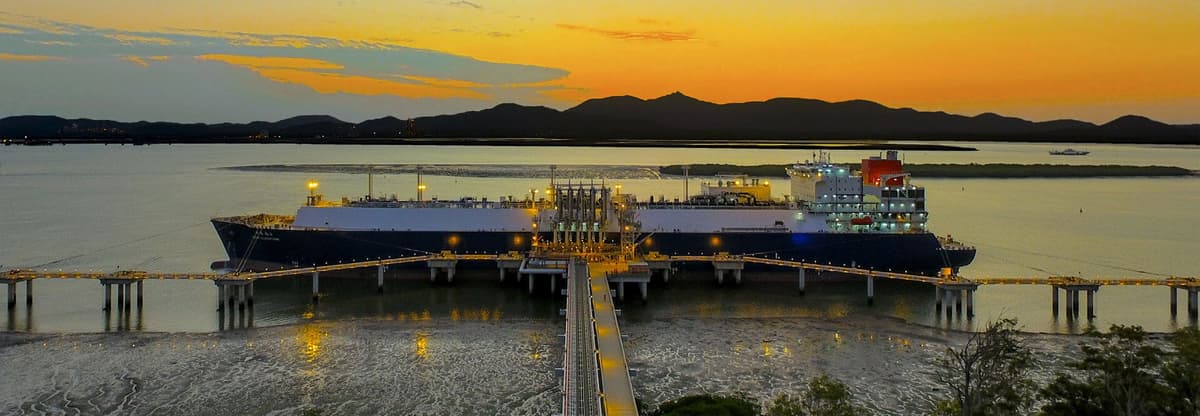
Europe’s push to diversify away from Russian pipeline gas has accelerated investment in LNG import terminals, especially floating storage and regasification units (FSRUs) that can be deployed faster than onshore facilities. The Dioriga Gas FSRU, anchored in Greece’s Saronic Gulf, sits at a strategic crossroads linking Mediterranean supply routes with the Balkans and Central Europe. By offering flexible regasification capacity, the vessel can absorb spot cargoes from global producers, providing a buffer against supply shocks and price volatility.
Mercuria’s agreement with Motor Oil Hellas (MOH) adds a commercial backbone to the project. As a leading independent trader, Mercuria will deliver long‑term LNG contracts to the FSRU, guaranteeing volume commitments that de‑risk the terminal’s financing. MOH, through its Dioriga Gas subsidiary, secures a reliable off‑take partner and gains operational expertise in managing a high‑tech regasification platform. This collaboration not only fast‑tracks the FSRU’s commercial launch but also positions Greece as a pivotal LNG gateway, attracting ancillary services such as bunkering, ship‑to‑ship transfers, and downstream distribution networks.
The broader market implications are significant. An operational Dioriga Gas FSRU will increase Southeast Europe’s import capacity by several hundred million cubic meters annually, enhancing competition among LNG suppliers and potentially lowering spot prices. The project aligns with the EU’s Green Deal objectives by facilitating a transition to lower‑carbon gas while renewable penetration ramps up. Investors are likely to view the venture as a stable, long‑term asset, prompting further capital inflows into the region’s energy infrastructure and reinforcing the strategic shift toward a more diversified, resilient gas market.
LNG pact enables Greek FSRU to boost Southeast Europe’s gas supply diversification
Comments
Want to join the conversation?
Loading comments...