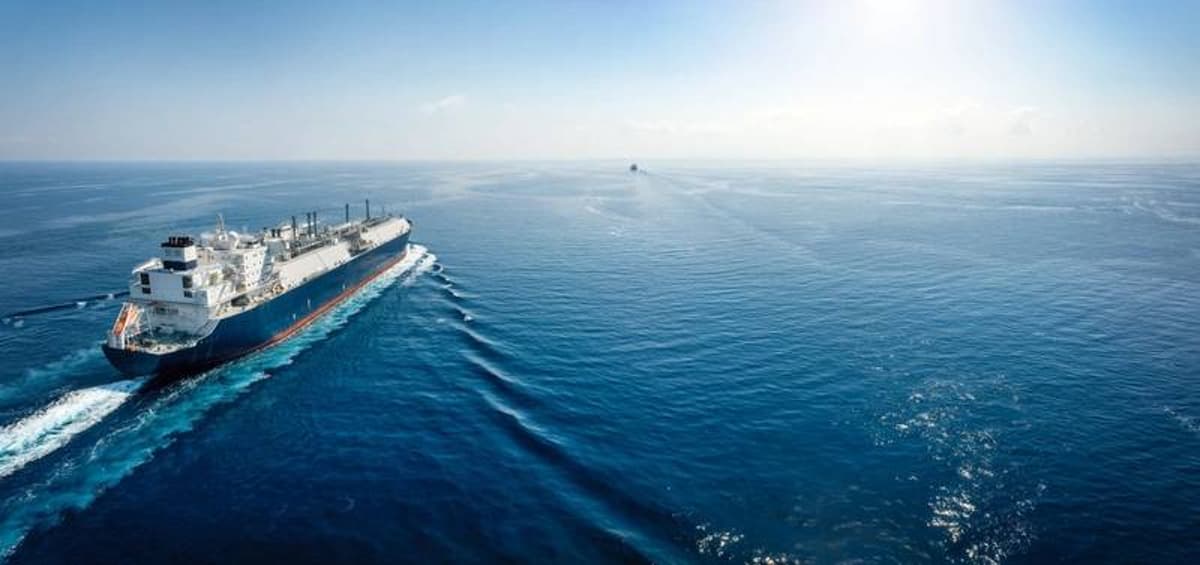
LNG Tanker Orders Pick Up Despite Shipping Uncertainty
Companies Mentioned
Why It Matters
The uptick in LNG tanker orders signals renewed capital investment in the shipping sector, essential for moving growing LNG volumes and meeting stricter environmental standards. At the same time, geopolitical tensions could reshape trade flows and freight pricing, affecting both shipbuilders and charterers.
Key Takeaways
- •35 LNG carriers ordered Q1 2024, up from 37 in 2025
- •New LNG tankers cost ~$255 M and need three years to build
- •US LNG projects add 120 mtpa, driving demand for flexible carriers
- •IMO emissions rules push shipyards toward dual‑fuel LNG vessels
- •War in Iran threatens Asian LNG supply, could raise freight rates volatility
Pulse Analysis
The LNG carrier market is experiencing a notable rebound after a dip in 2025, as shipyards in South Korea and China secured 35 new contracts in the first quarter alone. This influx represents a sharp contrast to the 37 vessels ordered across the entire previous year and follows a record 171 orders in 2022. Each new tanker carries a price tag of roughly $255 million and requires more than three years of construction, underscoring the long‑lead nature of the industry and the importance of securing capacity well ahead of demand spikes.
U.S. LNG production is set to add over 120 mtpa of export capacity within the next three to four years, creating a robust pipeline for flexible, FOB‑based cargoes that can be redirected mid‑voyage. Mitsui O.S.K. Lines, the world’s largest LNG carrier owner, plans to expand its fleet to about 150 vessels by 2035, reflecting confidence in sustained demand. Concurrently, the International Maritime Organization’s emissions framework is accelerating the shift toward dual‑fuel vessels, as operators retire older steam‑turbine and diesel‑electric ships to meet tighter carbon standards.
Geopolitical risk adds a layer of complexity. The ongoing Iran‑U.S. conflict threatens to disrupt Asian LNG supply chains, potentially lengthening voyages and increasing freight rate volatility. While the war may push Asian buyers toward Atlantic‑basin cargoes, it also sidelines roughly 12.8 mtpa of Qatari capacity, dampening overall shipping demand. Delays in new LNG projects, especially in Qatar, could lead to a surplus of newly built carriers entering the market, further pressuring charter rates. Stakeholders must therefore balance the optimism of renewed order flow with the uncertainty introduced by regional tensions and evolving regulatory landscapes.
LNG Tanker Orders Pick Up Despite Shipping Uncertainty
Comments
Want to join the conversation?
Loading comments...