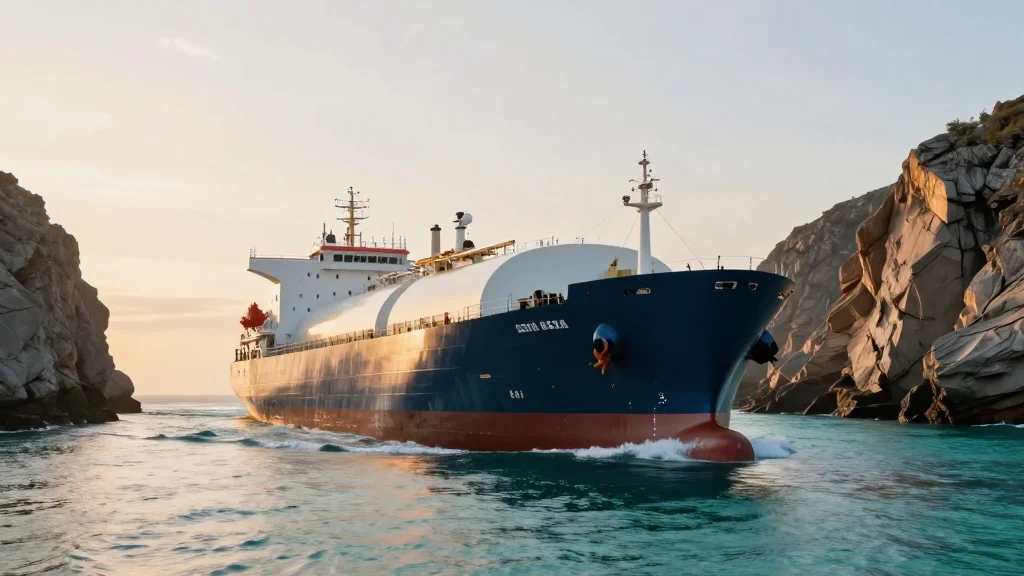
LNG Vessel Finally Transits Strait of Hormuz, Others Moving Toward Waterway
Why It Matters
The transit signals a possible de‑escalation in the Strait of Hormuz, a chokepoint that shapes global LNG supply chains and freight pricing, restoring confidence for shippers and lowering risk premiums on cargoes.
Key Takeaways
- •First fully loaded LNG tanker crossed Hormuz since Feb 28 conflict
- •Vessel Mubaraz chartered by ADNOC, loaded at 6 Mt/y Das Island
- •Transit signals easing of shipping constraints in a key oil‑gas route
- •Market expects LNG freight rates to stabilize as more ships resume passage
Pulse Analysis
The Strait of Hormuz has long been a strategic artery for oil and gas, handling roughly 20% of the world’s petroleum flow. Since the Iran‑UAE hostilities erupted on Feb. 28, commercial traffic—including LNG carriers—has been largely halted, prompting freight markets to price in a significant risk premium. Analysts have warned that prolonged closures could tighten global LNG supply, especially as Europe and Asia scramble for alternative sources amid a tight 2024‑25 demand outlook.
The recent crossing by the Mubaraz, an ADNOC‑chartered LNG tanker loaded at the 6 Mt/y Das Island facility, marks the first fully loaded vessel to navigate the strait since the conflict began. Shipping data from Kpler confirms the ship’s movement near Malaysia, suggesting the passage was completed earlier this week. This event is likely to ripple through freight markets: with a key bottleneck easing, spot rates for LNG cargoes are expected to shed part of the war‑induced surcharge, offering relief to buyers who have faced elevated transportation costs.
Looking ahead, the Mubaraz’s successful transit could pave the way for additional LNG vessels to resume Hormuz routes, contingent on the security environment remaining stable. A gradual normalization would bolster the resilience of global LNG supply chains, supporting price stability as demand rebounds post‑pandemic. Moreover, the development underscores the intertwined nature of geopolitics and energy logistics, reminding market participants that even a single vessel’s movement can signal broader shifts in risk assessment and investment strategy.
LNG Vessel Finally Transits Strait of Hormuz, Others Moving Toward Waterway
Comments
Want to join the conversation?
Loading comments...