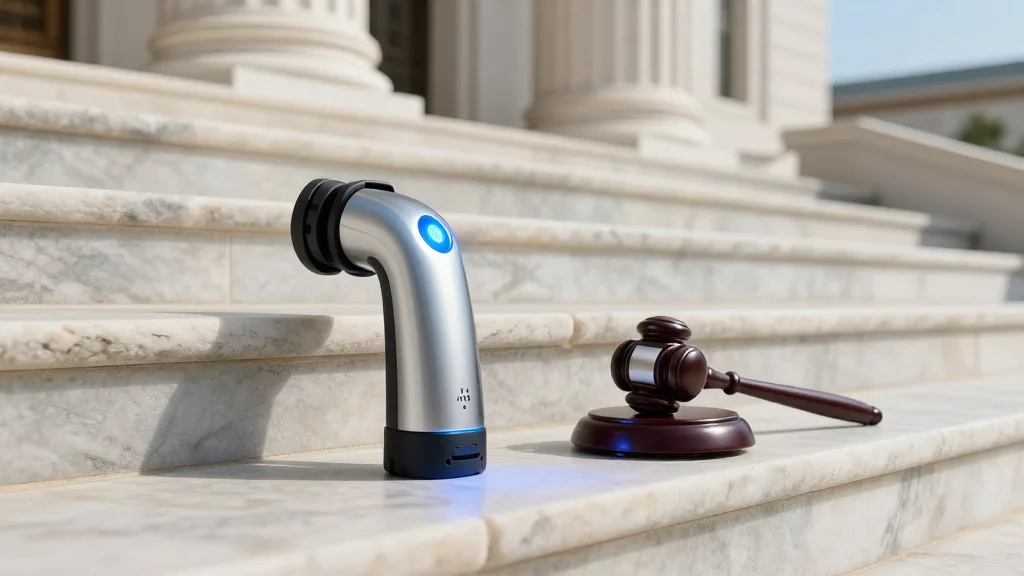
Local Policies to Get Buildings Off Gas Keep Winning in Court
Why It Matters
The rulings empower cities and states to enforce electrification mandates, accelerating climate‑friendly building practices and limiting industry pushback. This legal certainty encourages broader adoption of zero‑emission standards nationwide.
Key Takeaways
- •Six post‑Berkeley cases upheld all‑electric building standards
- •Judges rejected EPCA preemption argument against local decarbonization rules
- •Recent district rulings favor Maryland, D.C., reinforcing policy momentum
- •Supreme Court unlikely to intervene, leaving lower‑court consensus intact
Pulse Analysis
The legal battle over building electrification intensified after the Ninth Circuit overturned Berkeley’s pioneering gas‑ban, citing the 1975 Energy Policy and Conservation Act (EPCA). Plaintiffs argued that EPCA precludes localities from setting appliance efficiency standards that differ from federal rules, effectively protecting gas‑fueled appliances. However, judges have clarified that EPCA’s scope is limited to uniform efficiency testing, not the choice of energy source, allowing municipalities to pursue zero‑emission building codes without federal obstruction.
District courts in Maryland and Washington, D.C. recently affirmed this interpretation, rejecting industry‑backed lawsuits that sought to block all‑electric building laws. The rulings emphasized that EPCA does not preempt emission‑reduction regulations aimed at public health, drawing analogies that underscore the law’s narrow focus. These decisions create a jurisprudential foundation that other jurisdictions can cite, bolstering a wave of local ordinances targeting fossil‑fuel infrastructure in residential and commercial construction.
For developers, manufacturers, and investors, the emerging consensus reshapes risk calculations. With the Supreme Court unlikely to take up EPCA‑based challenges, the legal environment now favors proactive climate policies, encouraging capital flow into electric heating, cooling, and cooking technologies. As more cities adopt stringent standards, the market for heat pumps, electric water heaters, and related retrofits is set to expand, accelerating the United States’ broader decarbonization agenda.
Local policies to get buildings off gas keep winning in court
Comments
Want to join the conversation?
Loading comments...