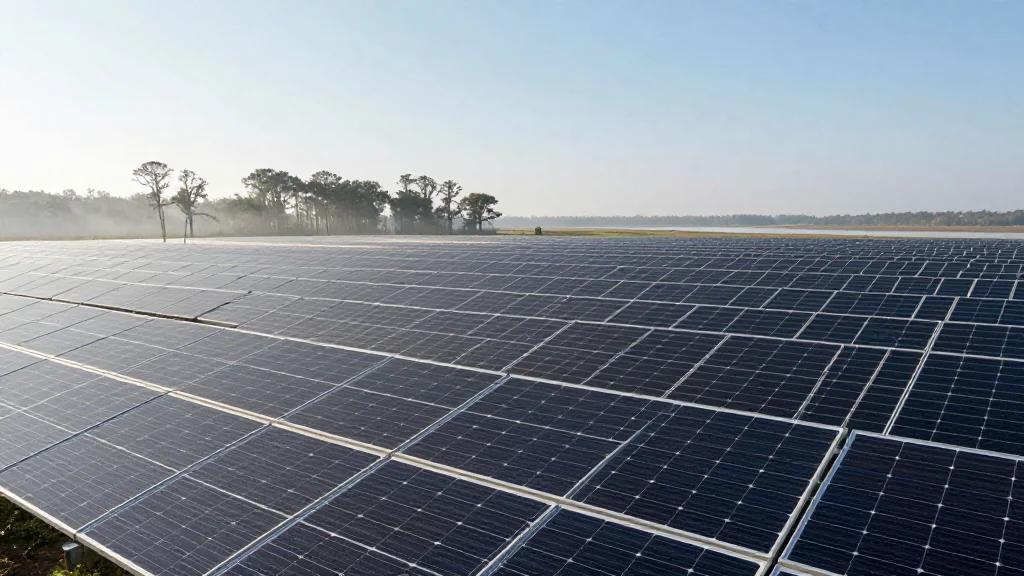
Louisiana Projected to Add 12 GW of Utility-Scale Solar by 2035
Why It Matters
The forecast signals a major shift in Louisiana’s energy mix, creating sizable jobs and tax revenue that can fund schools, public safety and infrastructure while advancing the state’s clean‑energy transition.
Key Takeaways
- •12.1 GW solar by 2035, 27% current generation
- •Jobs peak at 8,000, average 4,600 thereafter
- •Land use 1.1% of agricultural area
- •Property taxes 60× higher than agriculture
- •Deployment dip 2028‑2030 due to tax credit cliff
Pulse Analysis
Across the United States, utility‑scale solar installations have accelerated as module prices plunge and federal incentives drive project pipelines. Louisiana, traditionally an oil‑and‑gas stronghold, now faces a policy inflection point: the 2027 tax‑credit cliff threatens to stall new builds unless developers secure construction starts before July 4, 2027. The study’s timeline reflects this risk, showing a temporary slowdown before a resurgence driven by declining costs and rising electricity demand. Understanding the credit schedule helps investors and utilities align financing and procurement strategies to capture the upcoming growth wave.
Beyond the energy balance, the solar rollout promises a tangible economic uplift for rural parishes. Direct employment is projected to double, reaching a peak of 8,000 workers, while ancillary jobs in engineering, construction and supply‑chain services will extend the impact. Property‑tax assessments on solar farms are estimated at sixty times those of comparable farmland, translating into millions of dollars for local schools, fire departments and road projects. The modest land footprint—about seven acres per megawatt—means only 1.1% of the state’s agricultural land would be repurposed, preserving the bulk of farming activity while diversifying revenue streams.
Looking ahead, the study outlines a high‑growth scenario contingent on renewed policy support, such as expanded "sleeved" power purchase agreements and state‑level incentives. If Louisiana’s industrial base embraces renewable power, the state could become a regional hub for solar component manufacturing, leveraging its logistics network and skilled workforce. Policymakers, developers, and community leaders must therefore coordinate to sustain momentum, mitigate the credit cliff’s effects, and harness the fiscal and environmental benefits of a 12‑GW solar future.
Louisiana projected to add 12 GW of utility-scale solar by 2035
Comments
Want to join the conversation?
Loading comments...