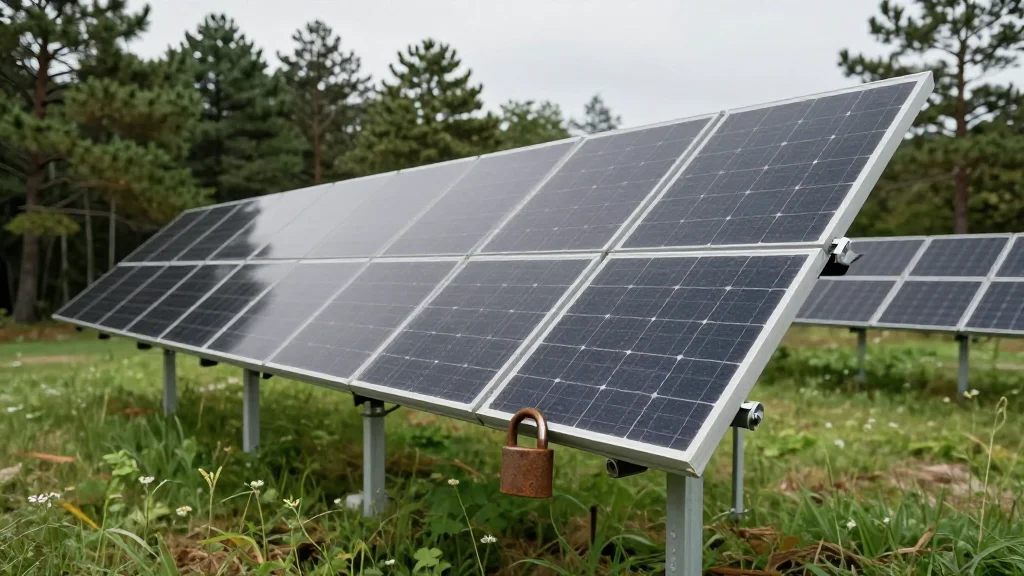
Maine’s Community Solar Boom Is Going Bust
Why It Matters
The policy reversal threatens the financial viability of community solar, reducing affordable clean‑energy options for consumers and undermining Maine’s leadership in distributed renewables. It also signals to other states that political shifts can quickly erode solar market incentives.
Key Takeaways
- •Maine led U.S. with 694 W per capita community solar by 2025
- •New law bans net‑energy billing for new community projects
- •Additional fees hit existing solar farms, raising financial risk
- •Developers pause projects; future depends on pending storage‑focused program
- •State solar capacity grew to 1.9 GW, but community growth stalls
Pulse Analysis
Maine’s community‑solar boom was fueled by a 2019 program that allowed projects to participate in a net‑energy billing system, essentially paying producers for every kilowatt‑hour sent to the grid. That mechanism made it possible for the state to reach 694 watts of community solar per resident by the end of 2025, the highest per‑capita figure in the United States. The model not only delivered lower electricity bills for subscribers but also attracted developers seeking a predictable revenue stream in a region with abundant wind and solar resources.
The 2025 legislation, backed by a Democratic legislature and governor, abruptly removed net‑energy billing for new community projects and slapped additional fees on installations already in service. Those fees, combined with the loss of the billing credit, have turned many viable projects financially untenable, prompting companies such as New Leaf Energy and ReVision Energy to cancel pending builds. Similar net‑metering disputes are playing out in California, New Hampshire and North Carolina, highlighting a growing national tension between affordable clean‑energy access and grid‑cost allocation.
State officials argue the new framework will eventually shift focus toward battery storage, a sector that could benefit from Maine’s 1.9‑gigawatt solar base and the pending Distributed Energy Resources program. If incentives for storage materialize, developers may find a viable niche, but the lingering uncertainty makes capital allocation risky. Maine’s experience serves as a cautionary tale for other jurisdictions: abrupt policy reversals can quickly erode investor confidence and stall community‑solar markets, potentially slowing the broader transition to decentralized renewable energy across the United States.
Maine’s community solar boom is going bust
Comments
Want to join the conversation?
Loading comments...