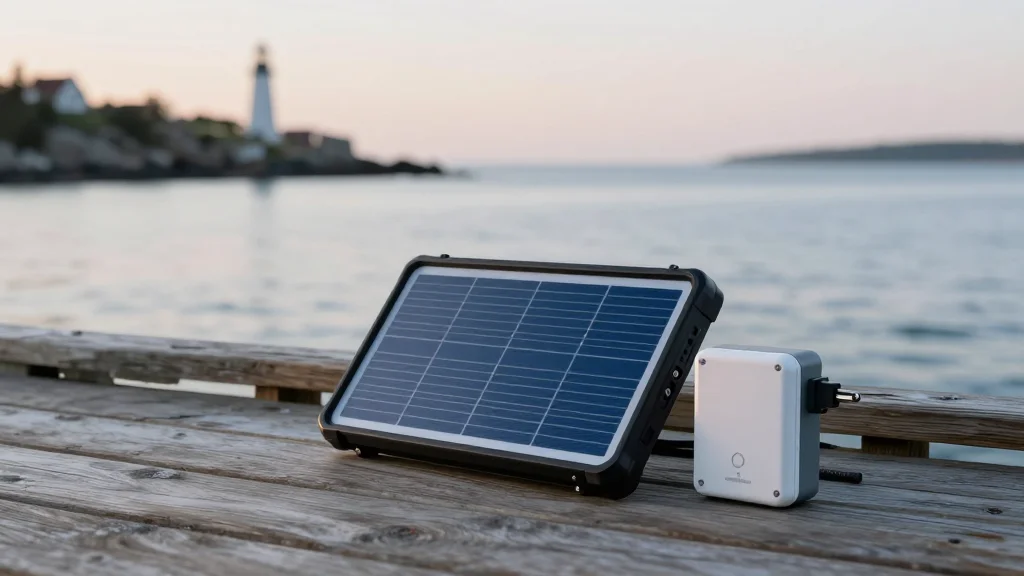
Maine’s Plug-In Solar Law Takes Effect in July and some Companies Are Already Selling Products in the State
Companies Mentioned
Why It Matters
The rule unlocks solar access for renters and small‑scale consumers, accelerating decentralized clean‑energy adoption and expanding the portable solar market nationwide.
Key Takeaways
- •Maine law permits up to 1,200 W portable solar with electrician assistance.
- •APsystems EZ1 microinverter already sold to Maine renters and homeowners.
- •CraftStrom’s system includes smart meter and breaker to meet NEC code.
- •EcoFlow awaiting UL certification before launching STREAM microinverter in Maine.
- •Portable solar market expands as states adopt plug‑in solar regulations.
Pulse Analysis
Maine’s enactment of LD 1730 reflects a growing legislative trend to lower barriers for distributed renewable energy. By defining clear wattage limits and tying compliance to UL 3700 or NEC standards, the state creates a predictable environment for manufacturers and installers. This regulatory clarity is especially valuable for renters and multifamily properties, traditionally excluded from rooftop solar, and signals to other states that portable solar can be safely integrated into existing grids.
Manufacturers are already moving to capture the emerging demand. APsystems highlighted its EZ1 microinverter, a plug‑and‑play solution that fits within the 420‑watt threshold, and has partnered with local distributors like Equity Solar to reach Maine consumers. CraftStrom differentiates itself with a smart meter and breaker system that actively disconnects the unit during overloads, ensuring strict NEC compliance. Both companies emphasize safety and ease of installation, addressing homeowner concerns about DIY solar. EcoFlow’s cautious rollout, pending UL certification for its STREAM Ultra model, underscores the importance of meeting the new standards before market entry.
Looking ahead, Maine’s policy could catalyze broader adoption of balcony and portable solar across the United States. As more states adopt similar frameworks, manufacturers will likely standardize product lines to meet a common certification baseline, reducing costs and accelerating deployment. Consumers stand to benefit from lower upfront prices and the ability to generate clean power without structural modifications, while utilities may see reduced peak demand and smoother integration of distributed resources. The convergence of policy, technology, and market readiness suggests a rapid expansion of the plug‑in solar segment in the coming years.
Maine’s plug-in solar law takes effect in July and some companies are already selling products in the state
Comments
Want to join the conversation?
Loading comments...