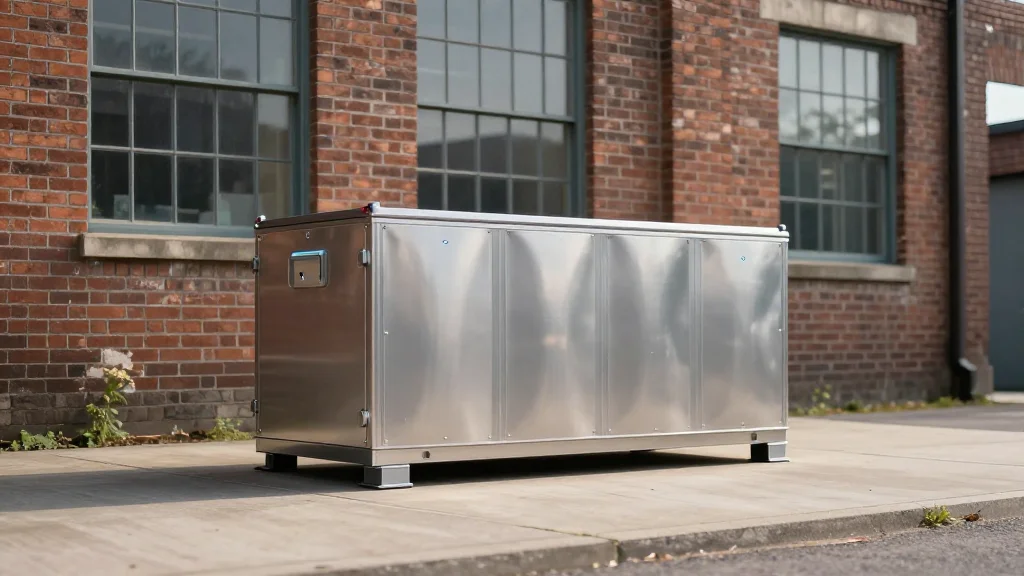
Making the Case for Brownfield Battery Builds
Companies Mentioned
Why It Matters
By reusing existing power‑plant infrastructure, brownfield storage cuts permitting time and community resistance, accelerating the transition to a more flexible, resilient grid. This approach could become a cornerstone of U.S. energy‑storage expansion as utilities chase faster, cost‑effective capacity solutions.
Key Takeaways
- •Elevate Renewables launches 50 MW/600 MWh battery at Bergen plant
- •Brownfield sites offer existing grid connections, cutting development time
- •Co-location reduces community opposition versus greenfield projects
- •Existing gas plant staff can improve battery response and safety
- •Space and remediation constraints remain key challenges
Pulse Analysis
The energy‑storage sector is increasingly looking to brownfield sites—former or idle power‑plant locations—to sidestep the lengthy siting and permitting hurdles that plague greenfield builds. These legacy assets already possess transmission interties, substations and road access, allowing developers to focus on the battery hardware rather than new infrastructure. In markets where capacity is tight, such as the PJM interconnection, the ability to plug storage directly into an existing load pocket can dramatically improve nodal value and grid reliability, making brownfield projects an attractive proposition for utilities and investors alike.
Elevate Renewables’ Two Rivers Storage project exemplifies the model. The company is installing a 50 MW/600 MWh lithium‑ion system at the Bergen Generating Station in Ridgefield, New Jersey, a natural‑gas plant that already connects to the state’s Garden State Energy Storage Program. Because the site has pre‑existing grid connections and transmission rights, Elevate expects a development timeline far shorter than a comparable greenfield project. The co‑location also positions the battery within a high‑value load pocket, enabling it to provide rapid frequency regulation and peak‑shaving services that are critical for PJM’s reliability standards.
Despite the clear advantages, brownfield deployments are not without challenges. Developers must navigate legacy plant layouts, potential environmental remediation, and limited physical footprints that can restrict system size. Integrating new battery control systems with existing plant equipment requires careful engineering and coordination with plant operators. Nevertheless, industry analysts argue that these hurdles are manageable, especially as policy incentives increasingly favor projects that reuse existing infrastructure. As the grid leans more on flexible resources, brownfield battery builds are poised to become a key lever for accelerating the nation’s clean‑energy transition.
Making the case for brownfield battery builds
Comments
Want to join the conversation?
Loading comments...