Malaysia Firms up LNG Supply to Japan
Companies Mentioned
Why It Matters
The long‑term supply bolsters Japan’s energy security amid Middle‑East volatility while giving Petronas a stable export market, deepening strategic ties between the two economies.
Key Takeaways
- •JERA secures up to 2 mtpa LNG from Petronas for 20 years
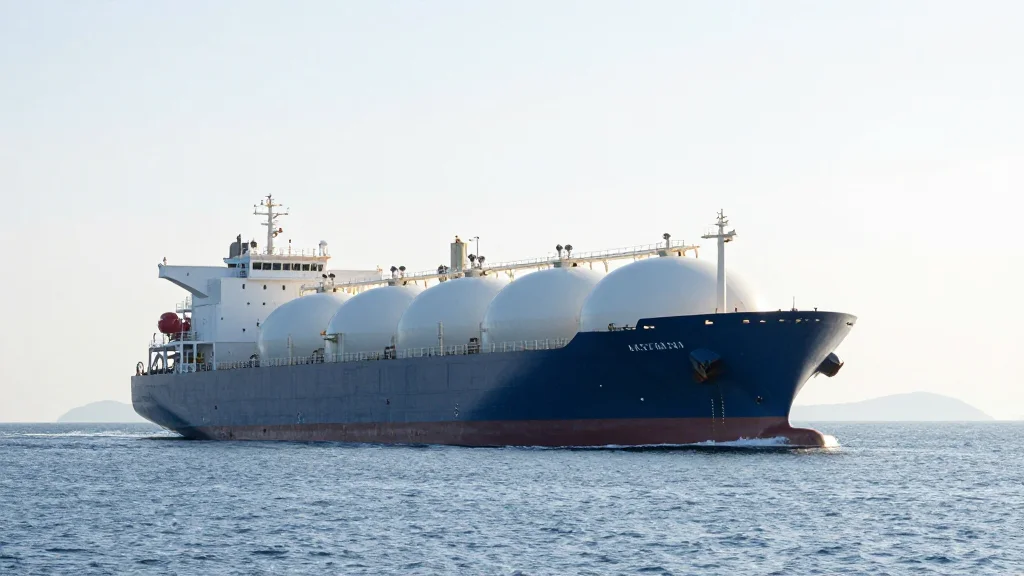
- •Agreement starts 2028, using Petronas’ 174,000 m³ LNG carriers
- •Flexibility addresses Japan’s seasonal demand and renewable integration
- •Malaysia’s share of Japan’s LNG imports rises to 15.6 %
- •Deal diversifies Japan’s supply away from Middle East tensions
Pulse Analysis
Japan’s reliance on imported liquefied natural gas has intensified as the nation phases out aging oil‑fired power plants and integrates more renewable capacity. Seasonal demand spikes and the lingering fallout from the Middle‑East conflict have pushed utilities like JERA to prioritize supply flexibility and geographic diversification. Long‑term contracts remain the backbone of Japan’s LNG strategy, but newer agreements now embed clauses that allow adjustments in volume and timing, helping utilities respond to market volatility and grid‑balancing challenges.
The new 20‑year pact with Malaysia’s national oil company Petronas marks a strategic win for both parties. Petronas will deliver up to 2 million tonnes annually, leveraging its modern fleet of 174,000‑cubic‑metre LNG carriers, which can accommodate variable loading schedules. Starting in 2028, the contract aligns with Japan’s broader procurement mix that already includes supplies from the United States, Australia, and the Middle East. For Malaysia, the deal cements its status as a key LNG supplier, boosting export revenues and reinforcing its diplomatic outreach through energy diplomacy.
Regionally, the agreement signals a shift toward more resilient LNG trade networks in Asia‑Pacific. By securing a sizable share of Japan’s imports—now about 15.6%—Petronas helps dilute Japan’s exposure to geopolitical shocks and price swings in traditional supply corridors. The flexible framework may set a precedent for future contracts, encouraging other producers to offer adaptable terms. As global LNG demand steadies, such partnerships could reshape market dynamics, fostering a more balanced and secure energy landscape for both exporters and import‑dependent economies.
Malaysia firms up LNG supply to Japan
Comments
Want to join the conversation?
Loading comments...